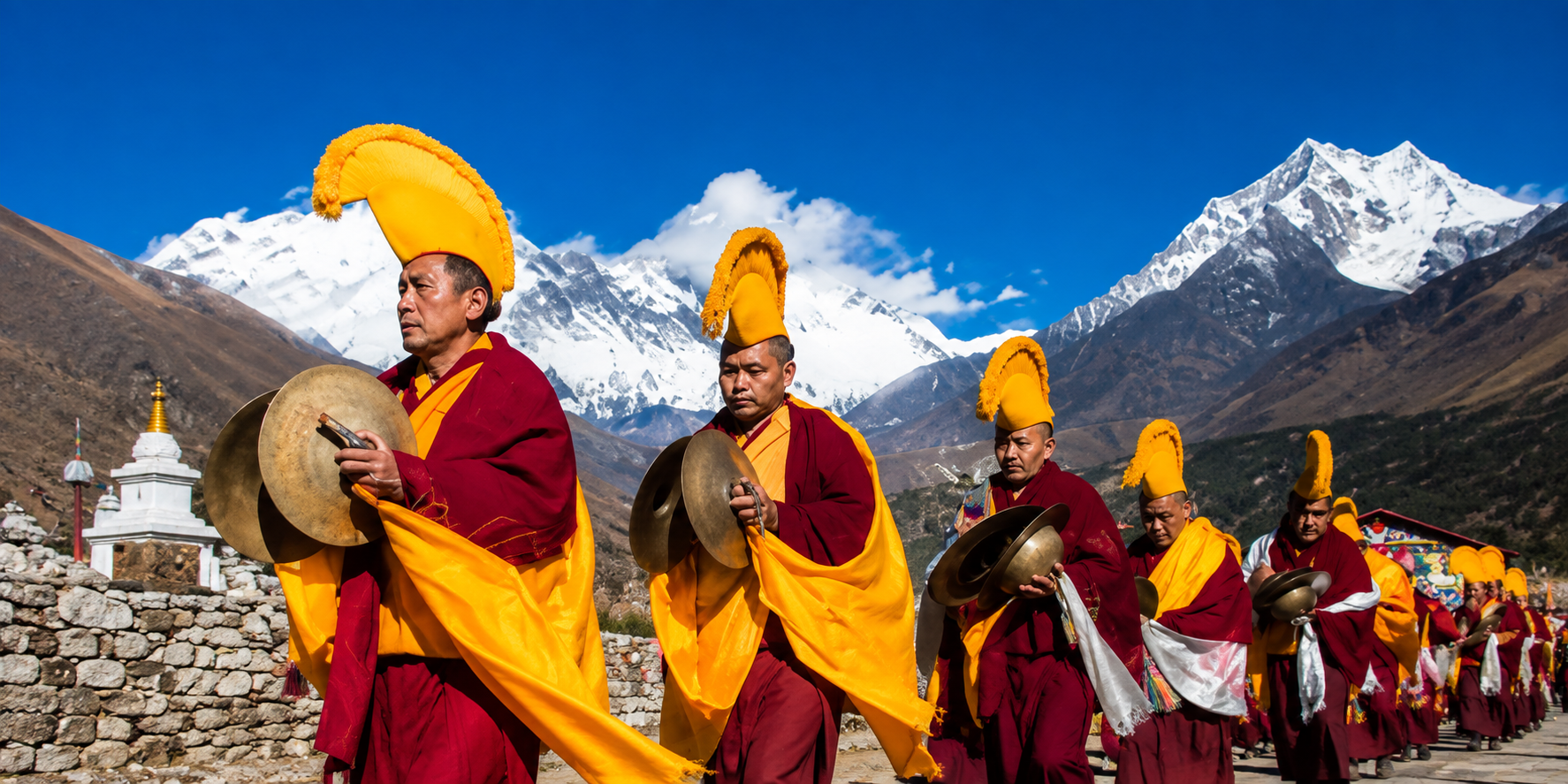
Buddhist festival treks are mountain hiking trips scheduled specifically so you can experience a traditional Buddhist festival in a remote mountain monastery along the trekking trail.Welcome to the land of Himalayan Paradise;
Tashi Delak! A warm welcome to trekkers from all over the world. We invite you to discover the Buddhist festival at different places at Nepal, Tibet and Bhutan.
Nepal is a land where Buddhism isn't just a religion, it’s a living, breathing part of the landscape. Since Lord Buddha was born in Lumbini, Nepal. The country holds a special place in the Buddhist world.
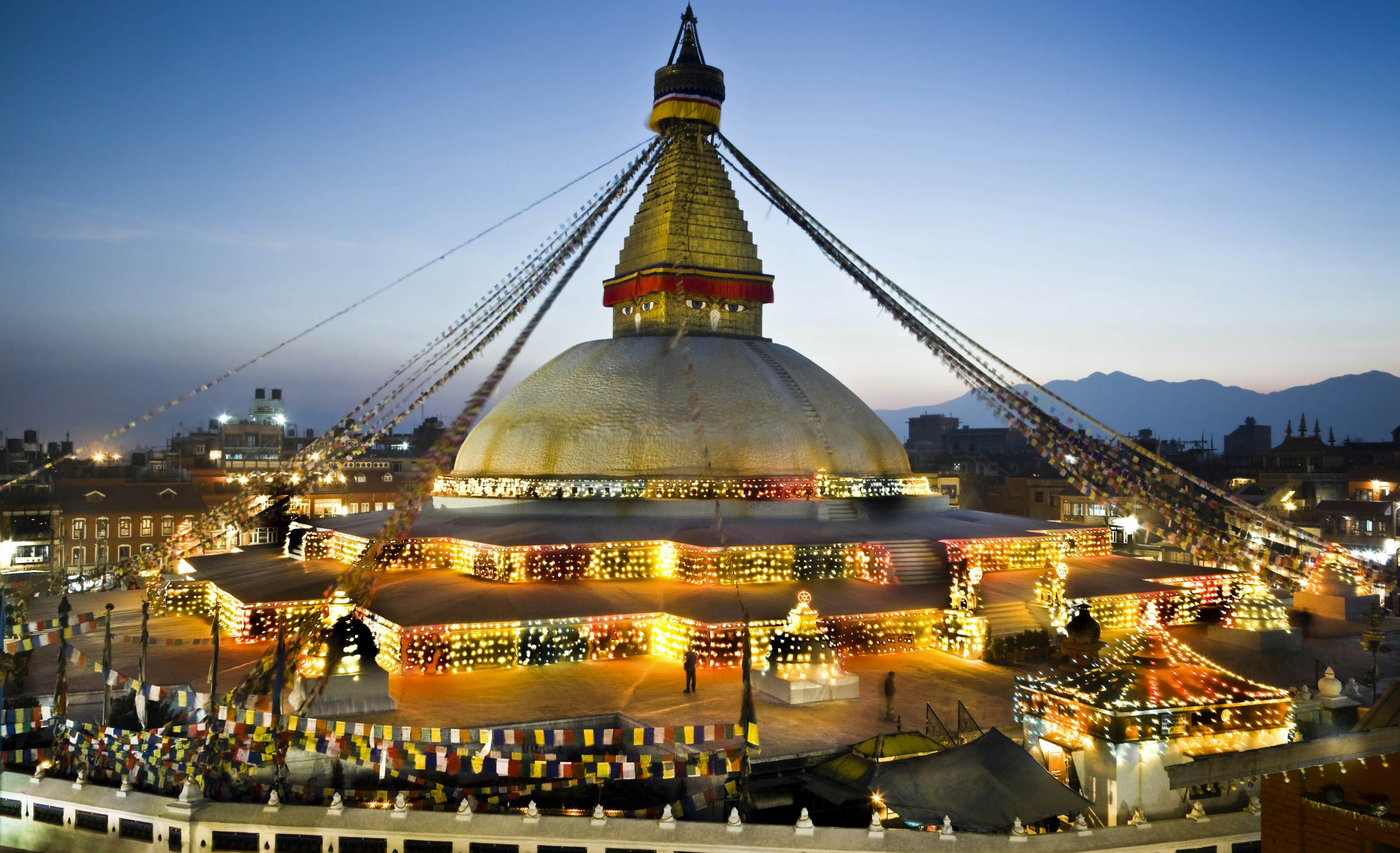 By air (flight): There are many direct and connecting international flights to Tribhuvan International Airport (KTM), Kathmandu. Tickets can be booked through travel agents or online.
By road: If you plan to enter Nepal from the Indian or Tibetan border, regular transportation services are available. Private vehicles can also be arranged upon request.
Tourist visa for Nepal: All the foreign nationals, other than Indian citizens, are required to obtain a Tourist visa to enter Nepal by flight or by road.
Pre-arranged visa: We suggest applying for an online tourist visa through the nearest Nepalese Embassy or Consular office in your home or neighbouring country.
Visa on arrival: Alternatively, you can obtain a Visa on arrival at Kathmandu's Tribhuvan International Airport or at any official land entry point from the Indian or Tibetan border.
For visa on arrival, you will need:
• A completed visa application form (which you can fill up at immigration desk)
• A recent passport-size photograph.
• Your passport, valid for a minimum of six months.
• The required visa fees (cash is often required).
Note: Be prepared to wait in a queue during peak travel seasons before the immigration office issues your tourist visa.
Airport Transfers: Don't worry - our staff will welcome you at the airport. We offer reliable private transportation (cars, jeeps, and vans) matched to your group size, coordinated around your arrival and departure times.
Hotel accommodation: In Kathmandu / Pokhara and other major cities, you can choose from a wide variety of accommodations tailored to your budget and preference. We offer from cozy, standard guesthouses to five-star luxury hotels. Most city hotels provide comfortable rooms with modern amenities, including high-speed Wi-Fi, 24-hour running hot/cold water. Stays are typically booked on a Bed and Breakfast (B&B) basis.
Restaurants and daily meals: Kathmandu / Pokhara and other major cities are a paradise for food lovers, you will find a wide array of restaurants serving high-quality cuisine, including; Authentic Nepalese Dal Bhat and Tibetan Momos (dumplings) or Thukpa (noodle soup).
Expertly prepared Indian curries, Chinese stir-fry, and Continental favourites like pasta, steaks, and wood-fired pizzas. Most restaurants offer extensive vegetarian and vegan options. Whether you prefer spicy local flavours or mild international dishes, there is something for everyone.
Drinks and sweets beverages: Enjoy everything from traditional Masala tea and fresh Himalayan coffee to a wide selection of cold soft drinks and local craft beers. Treat yourself to a variety of sweets, ranging from traditional Sel Roti and Juju Dhau (King Curds) to international pastries and cakes from the many bakeries in Thamel and Pokhara Lakeside. We recommend dining at well-established, busy restaurants in tourist hubs as they maintain high hygiene standards and use filtered water for food preparation.
Currency Exchange: In major cities (like Kathmandu and Pokhara), there are numerous banks and authorized money changers where you can exchange foreign currency into Nepalese Rupees (NPR).
ATM services & cash withdrawal limits: ATMs are widely available in urban areas and accept most international debit and credit cards (Visa, Mastercard, etc.).
Most major bank ATMs allow a maximum withdrawal of NPR 35,000 per transaction. Please note that you may need to perform multiple transactions if you require more cash, subject to your own bank's daily limit.
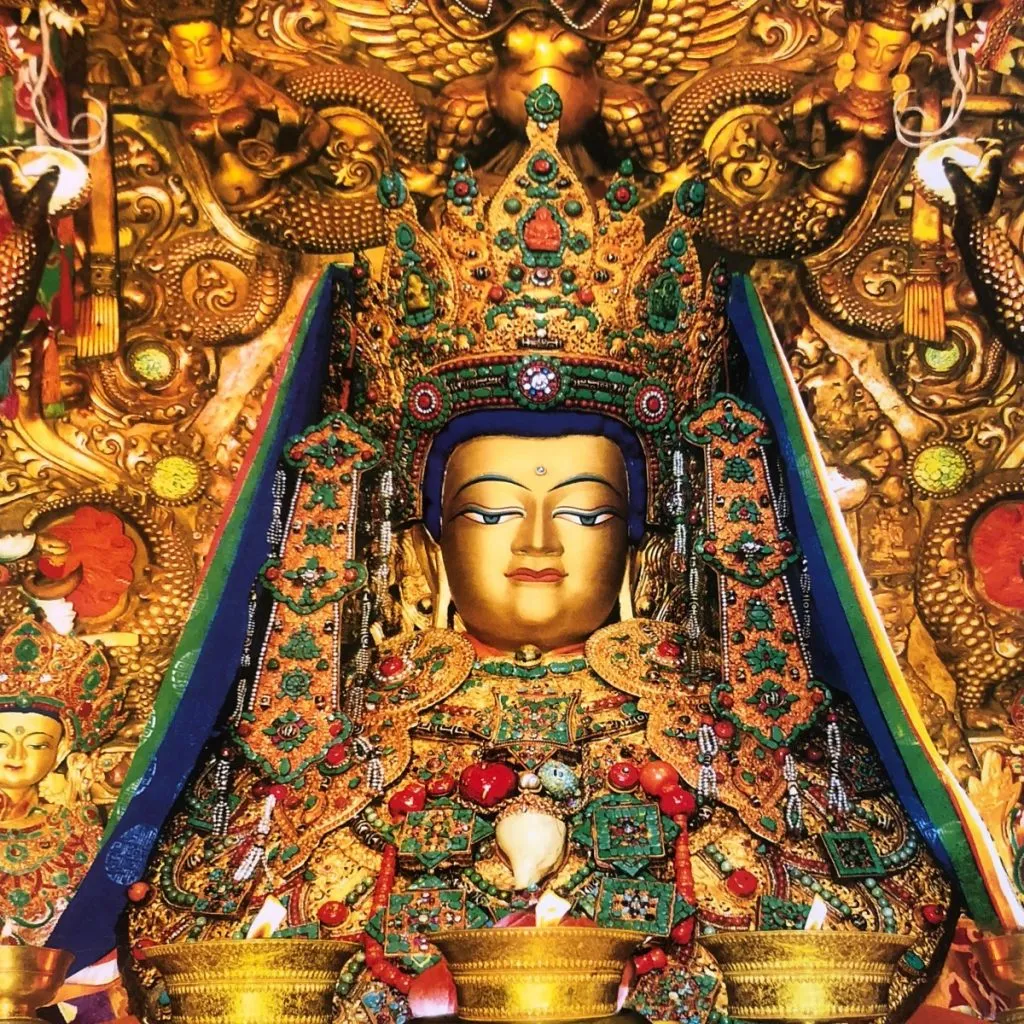 About festivals: Most Buddhists in Bhutan, India, Nepal, and Tibet live in the high Himalayan region. Recently, to enjoy a better quality of life and improve communication with new foreign Buddhist disciples, many monasteries have been built in Kathmandu and various parts of India.
While these festivals are fascinating to watch for anyone, each one carries a deep historical or spiritual story. During a festival, villagers, relatives, and neighbors gather at the local monastery to reconnect, share their challenges, and enjoy life together. Life in the remote Himalayan countryside is harder than in the cities, but the local people are often happier.
The story of festival: The "story" behind each festival, the victory of good over evil, the life of a Guru Rimpoche (Padma Shambawa), or the arrival of a new seasos is what makes the gathering of family and neighbors so powerful.
These all festivals celebrate once a year, when scattered nomadic and farmars families and high-altitude villagers reunite
To reach at the festival places, sush at Mustang Lo-Manthang you can drive from Jomsom and Khumbu regon Tyangboche, you have to trek from Lukla. For Mt. Kailash and Lhasa Tibet regions, you have to drive by overland to reach there. For all those necessary requirements, we will organize all in one package.
• Trekking permits and other: For the pilgrimage trekking at Khumbu region not require any trekkig permit. Trekkers need entry permit for Sagarmatha National Park and a TIMS card (Trekkers' Information Management System).
For Mustang region need special trekking permits and Annapurna corcervation areas entry permit and a TIMS card (Trekkers' Information Management System).
For Tibet Mt. Kailash - Manasarover region need a group visa and special permit for all the foreigner trekkers.
We will handle the arrangement of these for you. Local government Municipality entry fees will be managed and arranged by your trekking guide on the spot.
To process your TIMS card required in advance, please send us by email:
• A recent passport-size photograph.
• Your passport, photo copy (valid for a minimum of six months).
• Lodging during the trek: To stay within budget during your journey, you will stay in charming local hotels or lodges on a bed-and-breakfast basis. While mountain facilities are simpler than those in cities, they offer a cozy atmosphere and the legendary warmth of Himalayan hospitality.
• Battery Charging: Buddhist pilgrimage region, most lodges have electricity, allowing you to charge your mobile phone, camera, and power bank.
• Pre-booking: During pilgrimage time, many lodges operate on a first-come, first-served basis, and good rooms fill up quickly. Therefore, we book rooms in advance for our trekkers in time.
• Daily meals in lodge: Each lodge or small restaurant you will get vegetarian or non veg. dishes, different kinds of breakfast set, lunch and dinner. Authentic Nepalese Dal Bhat, Tarkari, chapati, Tibetan breads, momos, Stew, pasta, noodles, pizza, several items of fresh organic vegetables, potatoes, meats, eggs, soups, hot and cold drinks, which you can check at menu. Your guide will assist in arranging delicious lunches and dinners daily.
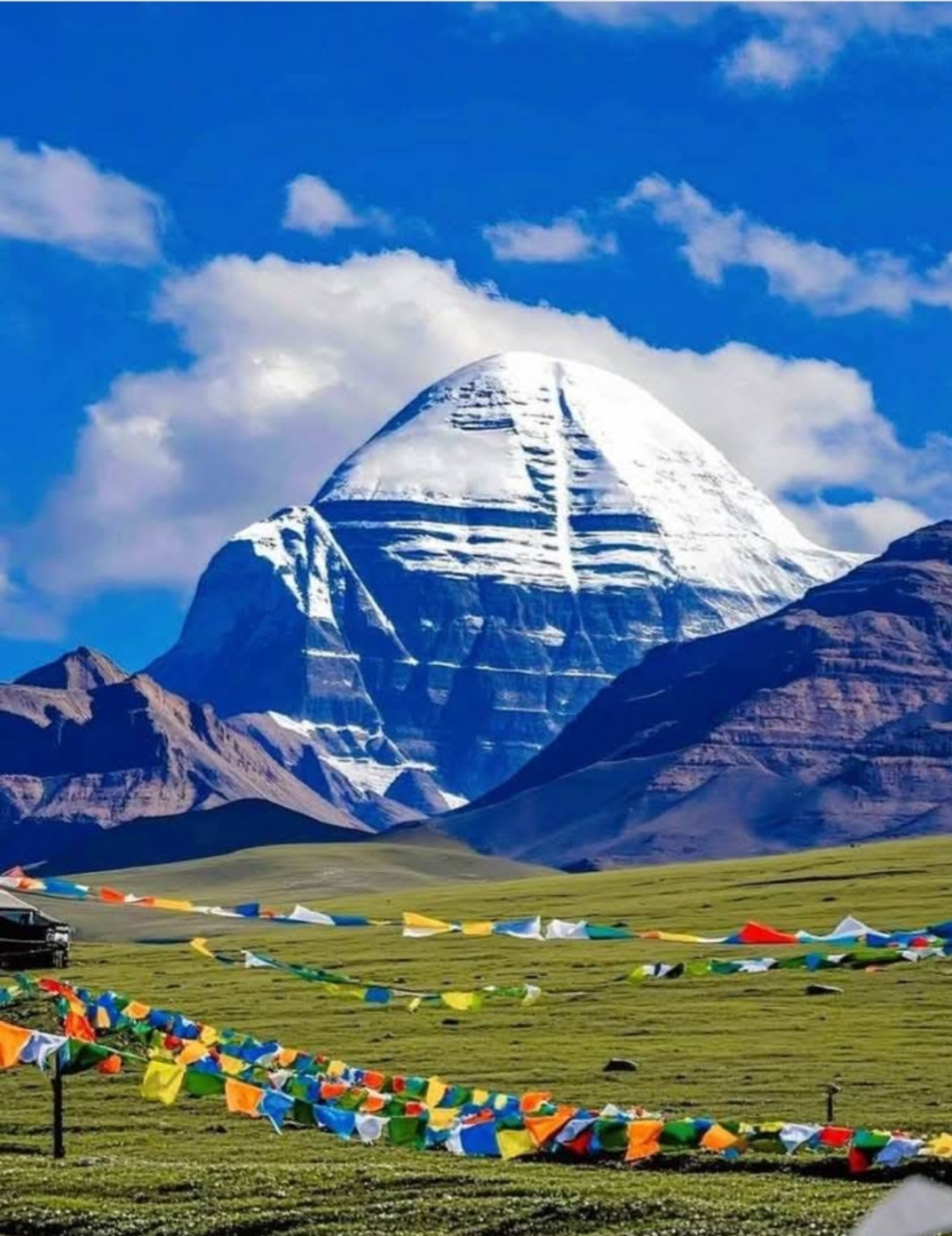 • Domestic Flights: To maximize your time in the mountains, avoid long drives, and enjoy breath-taking panoramic views, you can take domestic flights to popular trekking regions such as Pokhara, Lukla, and Jomsom.
• Ground Transfers: Public transport involves frequent stops, longer travel times, and crowded conditions. Opting for private transport saves time and avoids the hassle of local routes. The mountain landscapes feature rugged roads, we exclusively use private 4WD vehicles at Mustang region..
• Trekking guide: We provide highly experienced, professional trekking guides with deep local knowledge. Their primary focus is to ensure your safety, comfort, and a high-quality experience throughout your journey.
• Porters: We highly recommend hiring a porter for added comfort at Khumbu region. This allows you to walk with a lighter daypack, better enjoy and scenery. One porter carries between 25 to 30 kilograms and is ideally shared between two trekkers.
It will be an unforgettable memory for their lifetime. During the trek or drive, you can enjoy spectacular Himalayan views, Himalayan Buddhist culture, nomadic life, and organic farming too.
Travel insurance and emergency rescue:
Unfortunate illness or injury can happen to anyone, anywhere. In the remote mountain regions where we trek, your safety is paramount. Because ground transport to the nearest clinic / hospital can be slow, we rely on rapid aerial response.
• Helicopter rescue: From 'nearest place' Kathmandu, Lukla or Pokhara offers the fastest rescue service but is extremely expensive.
• Action required: We strongly advise you to issue a comprehensive travel insurance policy from your home country or in Kathmandu. Your policy must specifically cover emergency helicopter evacuation and medical expenses at high altitudes (up to 3,000m. depending on your route).
• Pro tip: Please Always carry a digital / printed copy of your insurance certificate and the 24-hour emergency contact number for your provider
Get in touch: The Buddhist pilgrimage regions mentioned here are just the beginning. For more information regarding exact dates, durations, and a competitive, reasonable cost for your (large or small) groups, please contact us directly.
We pride ourselves on providing a service that is faster, more personal, and more reliable than the rest. We will reply to your email within 24 hours.

Himalayan Experience Trek welcomes you to Nepal, the land of Himalaya, where we can offer a variety of experiences to make your holidays a truly memorable one in Nepal, India and Tibet, especially adventure trip, remote mountains region of Nepal.


