High pass lodging (Teahouse) trek in Nepal is a multi-day Himalayan trekking route that crosses high-altitude mountain passes (typically above 5,000 m / 16,400 ft) where you stay overnight in local lodges or teahouses rather than sleeping in tents.
Welcome to the land of Himalayan Paradise; Namaste! A warm welcome to trekkers from all over the world. We invite you to discover the land of the Himalayas - a true paradise for those who love moderate lodging trek at high elevation, untouched nature, and the serene mountain environment.
Nepal is famous for its challenging high-pass trekking routes, which typically take two to three weeks to complete. Because these trails are lined with mountain settlements. You do not need any camping equipment for this trek, as you will stay at local lodges (teahouses) each night for accommodation and meals.

How to reach at Kathmandu, Nepal?
By air (flight): There are many direct and connecting international flights to Tribhuvan International Airport (KTM), Kathmandu. Tickets can be booked through travel agents or online.
By road: If you plan to enter Nepal from the Indian or Tibetan border, regular transportation services are available. Private vehicles can also be arranged upon request.
Tourist visa for Nepal: All the foreign nationals, other than Indian citizens, are required to obtain a Tourist Visa to enter Nepal by flight or by road.
Pre-arranged visa: We suggest applying for an online tourist visa through the nearest Nepalese Embassy or Consular office in your home or neighbouring country.
Visa on arrival: Alternatively, you can obtain a Visa on Arrival at Kathmandu's Tribhuvan International Airport or at any official land entry point from the Indian or Tibetan border.
For visa on arrival, you will need:
• A completed visa application form (which you can fill up at immigration desk)
• A recent passport-size photograph.
• Your passport, valid for a minimum of six months.
• The required visa fees (cash is often required).
Note: Be prepared to wait in a queue during peak travel seasons before the immigration office issues your tourist visa.
Airport Transfers: Don't worry - our staff will welcome you at the airport. We offer reliable private transportation (cars, jeeps, and vans) matched to your group size, coordinated around your arrival and departure times.
Hotel accommodation: In Kathmandu / Pokhara and other major cities, you can choose from a wide variety of accommodations tailored to your budget and preference. We offer from cozy, standard guesthouses to five-star luxury hotels. Most city hotels provide comfortable rooms with modern amenities, including high-speed Wi-Fi, 24-hour running hot/cold water. Stays are typically booked on a Bed and Breakfast (B&B) basis.
Restaurants and daily meals: Kathmandu / Pokhara and other major cities are a paradise for food lovers, you will find a wide array of restaurants serving high-quality cuisine, including; Authentic Nepalese Dal Bhat and Tibetan Momos (dumplings) or Thukpa (noodle soup).
Expertly prepared Indian curries, Chinese stir-fry, and Continental favourites like pasta, steaks, and wood-fired pizzas. Most restaurants offer extensive vegetarian and vegan options. Whether you prefer spicy local flavours or mild international dishes, there is something for everyone.
Drinks and sweets beverages: Enjoy everything from traditional Masala tea and fresh Himalayan coffee to a wide selection of cold soft drinks and local craft beers. Treat yourself to a variety of sweets, ranging from traditional Sel Roti and Juju Dhau (King Curds) to international pastries and cakes from the many bakeries in Thamel and Pokhara Lakeside. We recommend dining at well-established, busy restaurants in tourist hubs as they maintain high hygiene standards and use filtered water for food preparation.
Currency Exchange: In major cities (like Kathmandu and Pokhara), there are numerous banks and authorized money changers where you can exchange foreign currency into Nepalese Rupees (NPR).
ATM services & cash withdrawal limits: ATMs are widely available in urban areas and accept most international debit and credit cards (Visa, Mastercard, etc.).
Most major bank ATMs allow a maximum withdrawal of NPR 35,000 per transaction. Please note that you may need to perform multiple transactions if you require more cash, subject to your own bank's daily limit.
 Trekking permit and other: Trekking in the Manaslu, Kanchenjunga, and Makalu areas requires trekking permits. We will arrange these permits for you.
To process your trekking permit and TIMS card required in advance, please send us by email:
• A recent passport-size photograph.
• Your passport, photo copy (valid for a minimum of six months).
• Lodging during the trek: To stay within budget during your journey, you will stay in charming local hotels or lodges on a bed-and-breakfast basis. While mountain facilities are simpler than those in cities, they offer a cozy atmosphere and the legendary warmth of Himalayan hospitality.
• Heating system: There is no heating in the bedrooms. The only warm place in the entire lodge will be the communal dining hall, where a central pot-bellied stove (usually fuelled by dried yak dung or wood) is lit in the evenings.
• Battery Charging: Easy and short trekking region, most lodges have electricity, allowing you to charge your mobile phone, camera, and power bank.
• Pre-booking: During peak seasons, many lodges operate on a first-come, first-served basis, and good rooms fill up quickly. Therefore, we book rooms in advance for our trekkers in time.
• Daily meals during the trek: Each lodge or small restaurant you will get vegetarian or non veg. dishes, different kinds of breakfast set, lunch and dinner. Authentic Nepalese Dal Bhat, Tarkari, chapati, Tibetan breads, momos, Stew, pasta, noodles, pizza, several items of fresh organic vegetables, potatoes, meats, eggs, soups, hot and cold drinks, which you can check at menu. Your guide will assist in arranging delicious lunches and dinners daily.
• Domestic flights: To maximize your time in the mountains, avoid long drives, and enjoy breathtaking panoramic views, you can take domestic flights to popular trekking regions such as Pokhara, Lukla, and Jomsom.
• Ground Transfers: Public transport involves frequent stops, longer travel times, and crowded conditions. Opting for private transport saves time and avoids the hassle of local routes.
Because mountain landscapes feature rugged roads, we exclusively use private 4WD vehicles across our various trekking routes.
• Trekking guide: We provide highly experienced, professional trekking guides with deep local knowledge. Their primary focus is to ensure your safety, comfort, and a high-quality experience throughout your journey.
• Porters: We highly recommend hiring a porter for added comfort. This allows you to walk with a lighter daypack, better enjoy and scenery. One porter carries between 25 to 30 kilograms and is ideally shared between two trekkers.
Note: For trekking seasons and weather information, visit our link at: Trekking seasons and weather
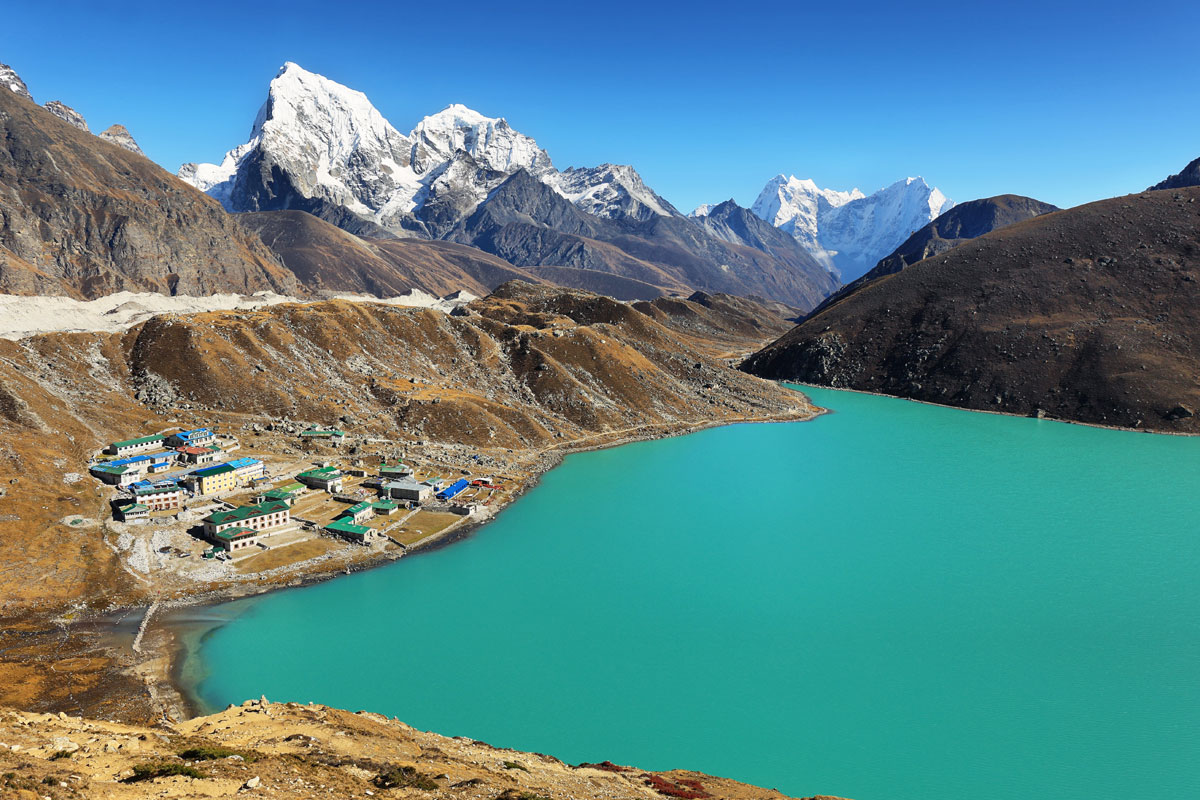 High pass lodging (Tea house) treks are ideal for trekkers who have more than two weeks of time and who enjoy adventurous journeys that include crossing high mountain passes above 5,000 meters. Lodging (Tea house) treks are more accessible and less expensive than camping or expedition-style treks, making them suitable for families, friends, groups, and solo travellers with trekking guide and porters.
The routes are carefully planned to provide maximum enjoyment with minimal logistical difficulty.
• Simple logistics with no need for heavy expedition equipment or tents
• Comfortable overnight stays in local hotels, guesthouses, and mountain lodges
Professional support: An experienced trekking guide and porter (if required) will accompany you throughout the trek.
Less physical strain: Well-maintained trails at lower elevations for maximum enjoyment.
Note: For high-altitude sickness, safety, and rescue information, visit our link at: high altitude sickness - safety and rescue
"If anyone suffers from high altitude sickness in the Mt. Everest Khumbu region or the Annapurna Circuit region, there is an HRA (Himalayan Rescue Association) clinic at (Pheriche) Khumbu region and (Manang village) at Annapurna circuit, where you can get a general check-up with an experienced doctor."
Where you can trek? High passes lodging treks are available in high-altitude regions where local accommodation and meals are readily available.
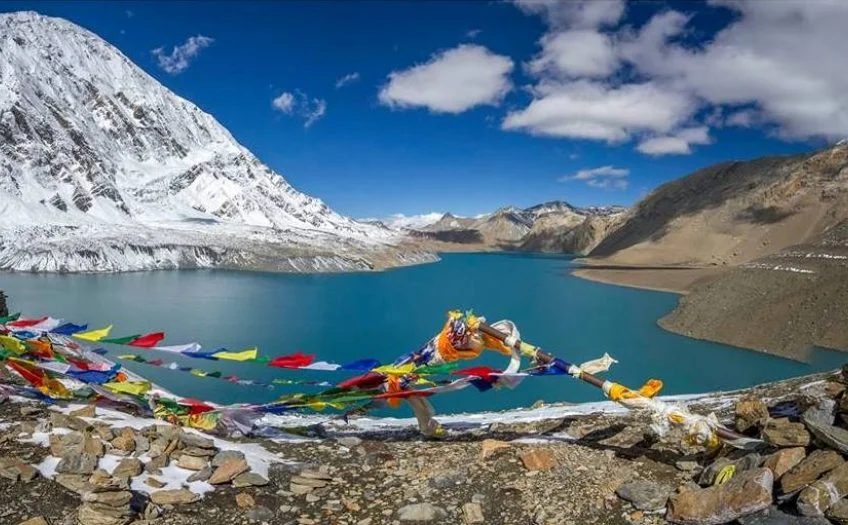
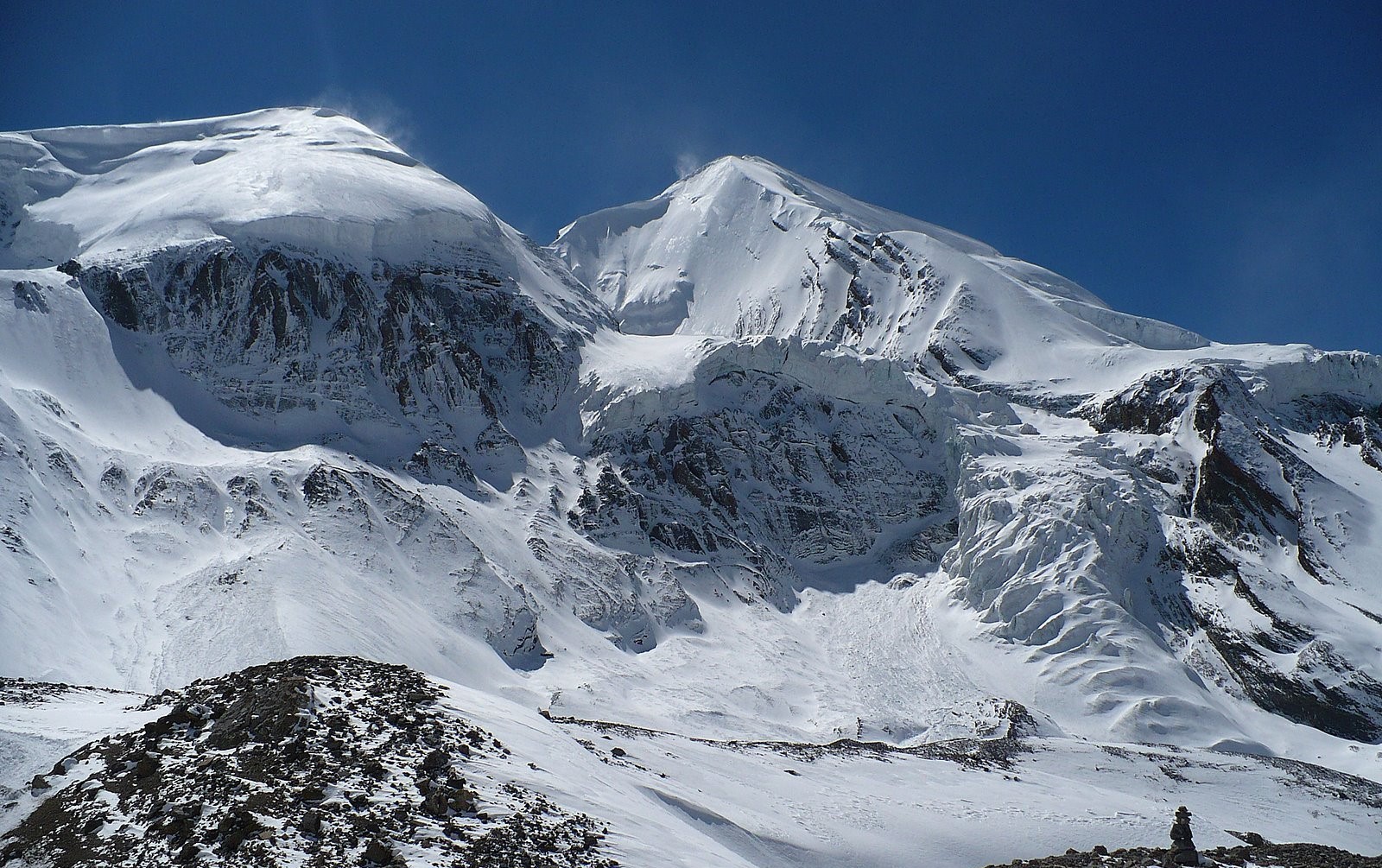
• Annapurna Region including Annapurna circuit Thorong La Pass, Tilicho Lake and Mesokanto Pass.
• Everest (Khumbu) Region including Everest Base Camp, Three Passes and Gokyo Valley Cho La pass.
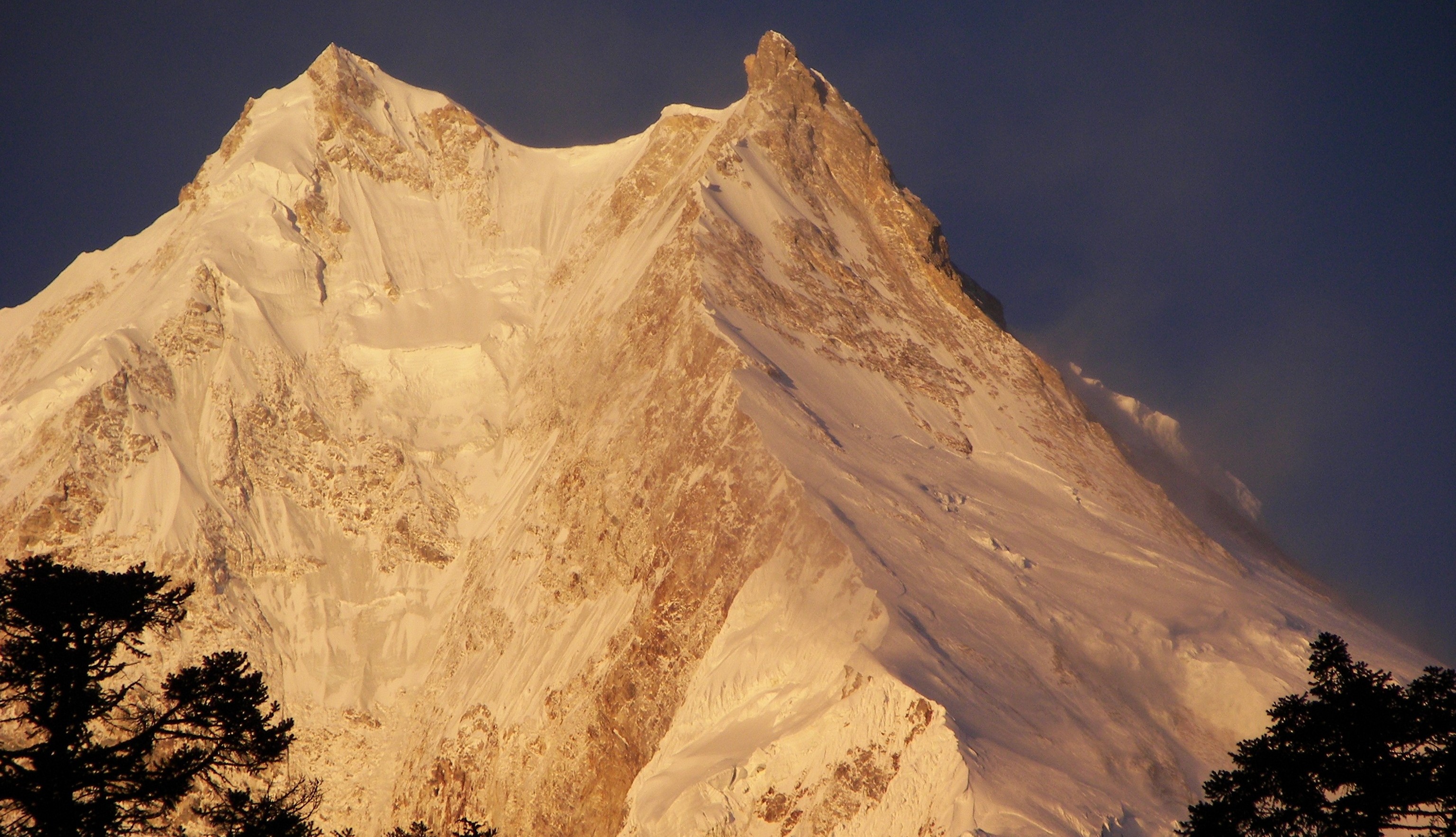
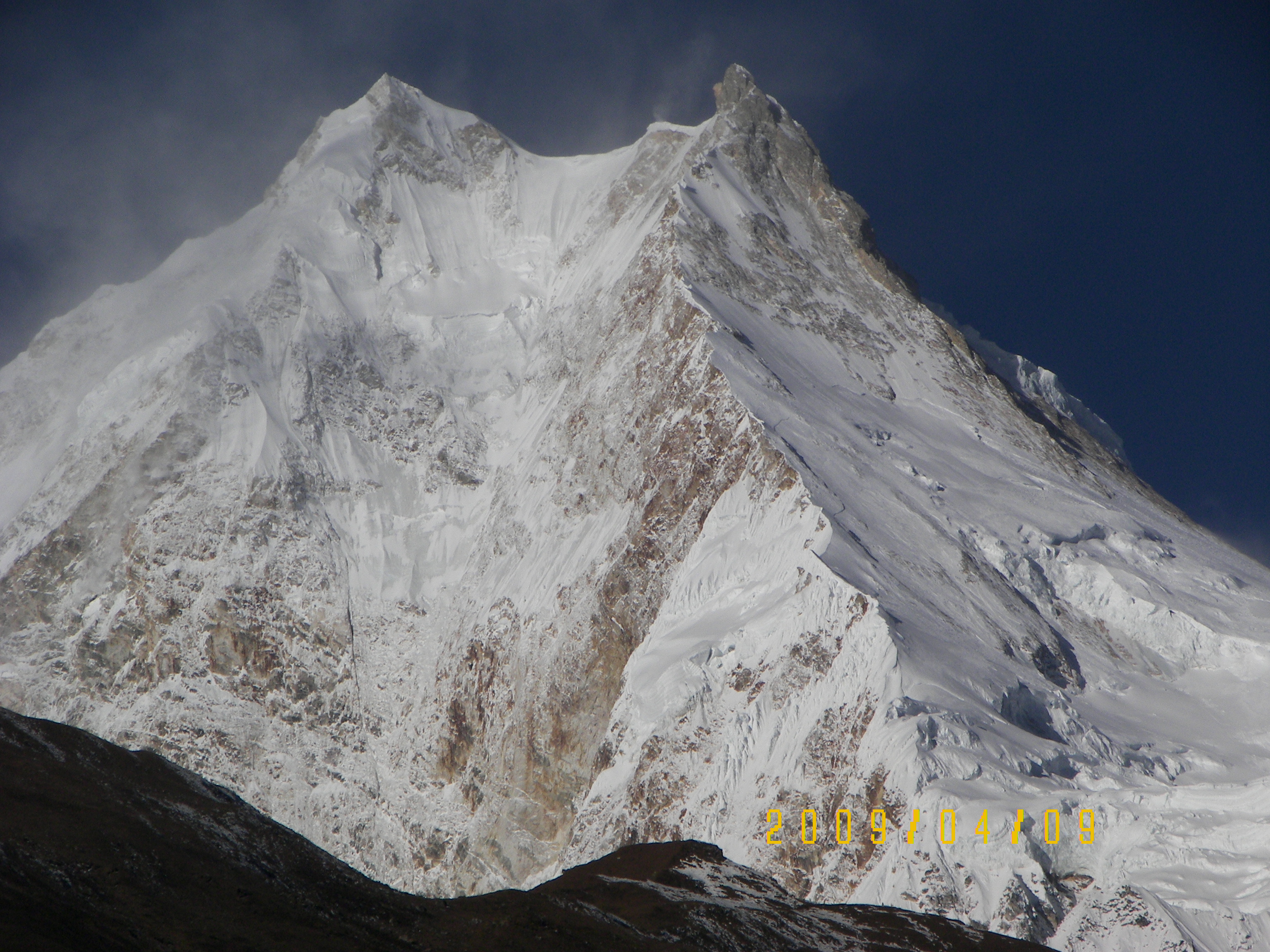
• Manaslu Circuit Larkya La Pass.
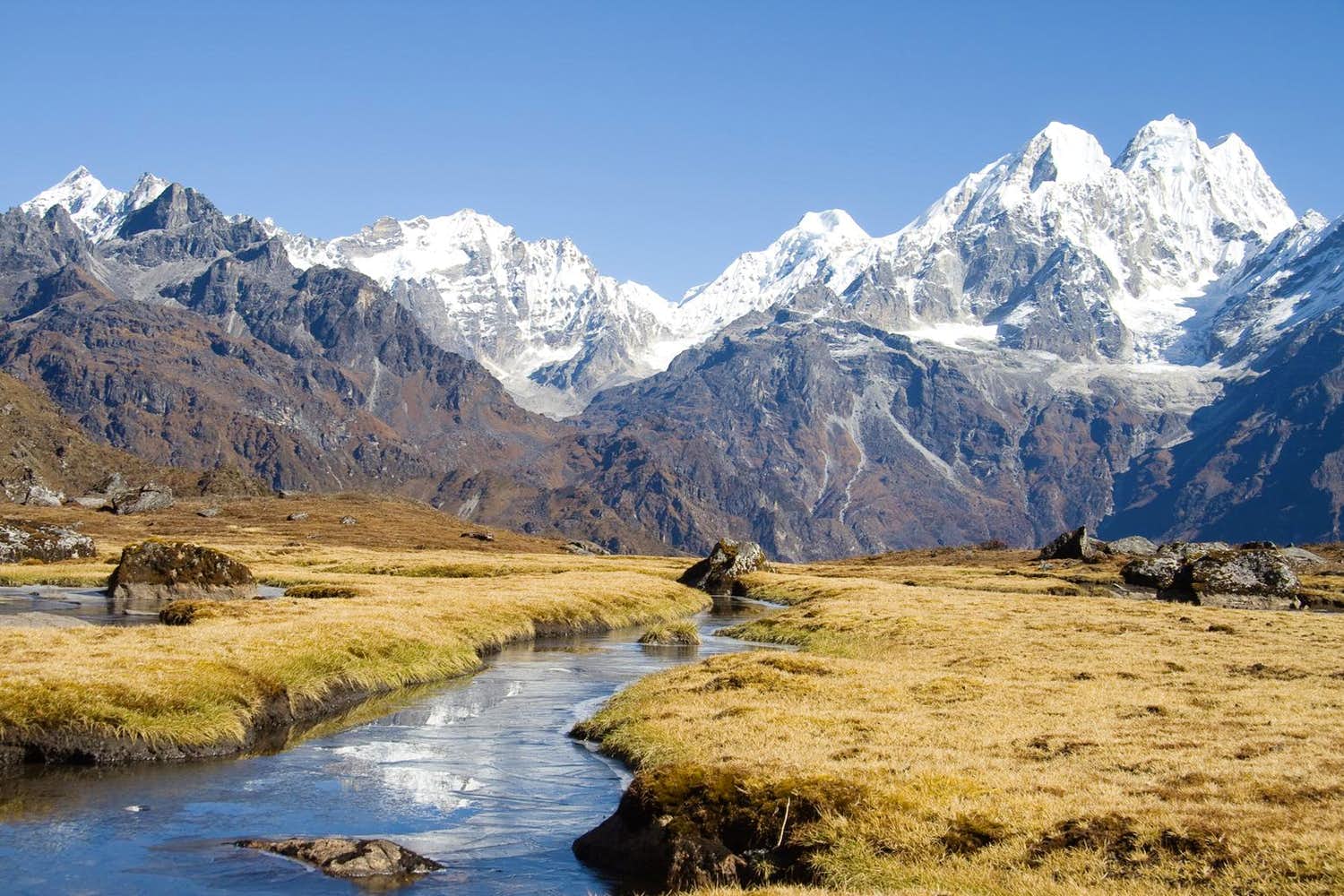
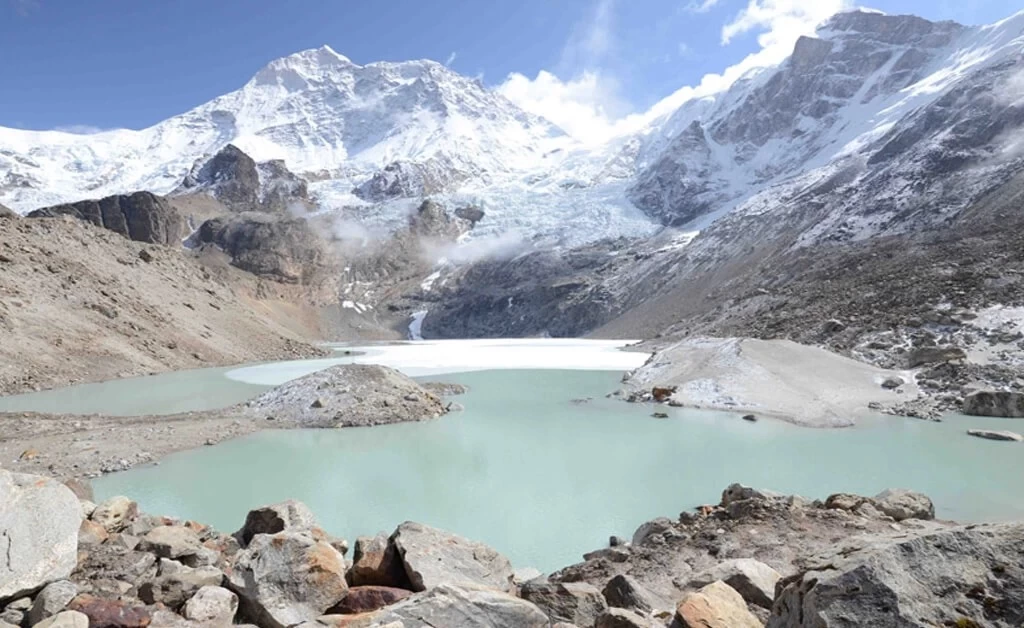
• Kanchenjunga North and South Base Camp.
• Makalu Base Camp.
• Langtang - Gosaikunda - Helam region.
 We are a team of experienced Sherpas who have been leading Himalayan treks and expeditions for many years. Trekkers from all over the globe trust us and return year after year for another trek or expedition.
In Kathmandu, there are many trekking agencies: some charge high prices without delivering quality service, while others offer low rates but lack experience and support. Regardless of the cost, the mountain views remain the same. But the quality of service that makes all the difference.
We offer reasonable prices and ‘top-tier’ service across every aspect of your journey without compromise. That is why our clients keep coming back to trek with us again and again.
When you trek with our team, your investment does more than just book a trip-it ensures a seamless, high-quality experience defined by a warm, family-like atmosphere and total peace of mind.
While some trekkers explore the Himalayas independently to save money, they often overlook a critical question: "If something goes wrong, what is the plan?"
Trekking in Nepal is vastly different from hiking in Western countries. The landscapes are rugged, conditions are extreme, and weather can change in an instant.
In wilderness, unexpected challenges - from different sickness to sudden weather change can arise at any moment. Without professional support, these situations can quickly become dangerous. We provide the essential safety net and emergency logistics required to keep you safe.
Stress-Free Logistics: We manage every detail, from your arrival to your departure, so you never have to worry about the "what ifs." Your journey with us isn’t just a holiday; it’s a commitment to quality, safety, and an unforgettable experience on the trail.
For the high pass trek you may need warm jackets and other cloths. We suggest you take along with you: Trekking boots, light shoes / trainers, down jacket, fleece or sweater, shirts (x 2), long and short trekking trousers (and /or long skirt for women), windproof jacket & trouser, waterproof poncho, sun hat, cap, socks, underwear (x 2).
• Other essential items: Kitbag and padlock, small rucksack, water bottle (1 litre capacity), head torch, personal first aid, sun and glasses, sun cream (factor 15+) & lip slave, towel & wash kit, whistle, passport, passport-size photographs, plastic bags, money belt.
• Optional: Camera (with high-capacity memory cards and extra batteries), trekking poles / walking sticks, binoculars, notebook, pen etc.
• Sleeping bag: We strongly suggest bringing your own sleeping bag with an inner liner. Because hotels / lodges blankets are not always warm and clean enough to meet your personal standards.
If you, doesn’t have sleeping bag you can buy or hire at Kathmandu as your size.
 The high pas lodging (Tea house) treks are designed for anyone who is physically fit, healthy, and passionate about exploring the high Himalayas. We welcome men and women between the ages of 16 to 75 to join us with confidence.
These treks are ideal with Families, Friends, small or big groups or solo trek with trekking guide and porters. Being immersed in such a pristine, organic environment is a proven way to reduce stress and find happiness. You will return home with "once-in-a-lifetime" memories.
Preparation and support: You are never alone in your preparation. We provide comprehensive information and a full briefing in Kathmandu before you set off. Once on the trail, your guide will provide a clear, day-by-day explanation of the plan to ensure you are always informed and comfortable.
Get in touch: The trekking regions mentioned here are just the beginning. For more information regarding trekking seasons, exact durations, and a competitive, reasonable cost for your group (large or small), please contact us directly. We will reply to your email within 24 hours.
We pride ourselves on providing a service that is faster, more personal, and more reliable than the rest. We will reply to your email within 24 hours.
For more details about trekking regions, trip duration, total costs, and included services, please contact us using the information below.

Himalayan Experience Trek welcomes you to Nepal, the land of Himalaya, where we can offer a variety of experiences to make your holidays a truly memorable one in Nepal, India and Tibet, especially adventure trip, remote mountains region of Nepal.