img

15 days Helambu-Pokhara:

Price: EUR 2875

15 days Helambu-Pokhara:

Dear all trekkers, 

Namaste! A warm welcome to trekkers from every corner of the globe. We are delighted to invite you to explore Helambu circuit trek with other package trips. Which is a true paradise for those who love Himalaya, untouched nature, and the serene mountain environment.

This package trip offers Six different kinds of activities all in one package.

  6 days Lodging (Tea house) trek at Ghorapani Poon hill to Ghandrung village.

  2 nights at Pokhara, sunrise view from Sarangkot, boating at fewa lake and sightseeing at Pokhara.

Excitement white - water rafting at Trisuli river.   

  2 nights wildlife and nature jungle safari at Chitwan National Park.

 One hours Mountain flight at Mt. Everest Khumbu region.

 2 days Heritage Tours: Focused on the seven UNESCO World Heritage Sites within the Kathmandu valley, including ancient cities like Bhaktapur and Patan.
 

Why Choose This Trip? Over the course of 14 days, you will experience Nepal’s most unforgettable highlights. We prioritize a stress-free environment cantered around genuine family hospitality, ensuring you feel at home every step of the way, all in one cost.

During the short period you can reach at 3,771m. at Ana Yangri, which is the best point for the panoramic views of jugal Himalayan range.

The Best Season and weather:

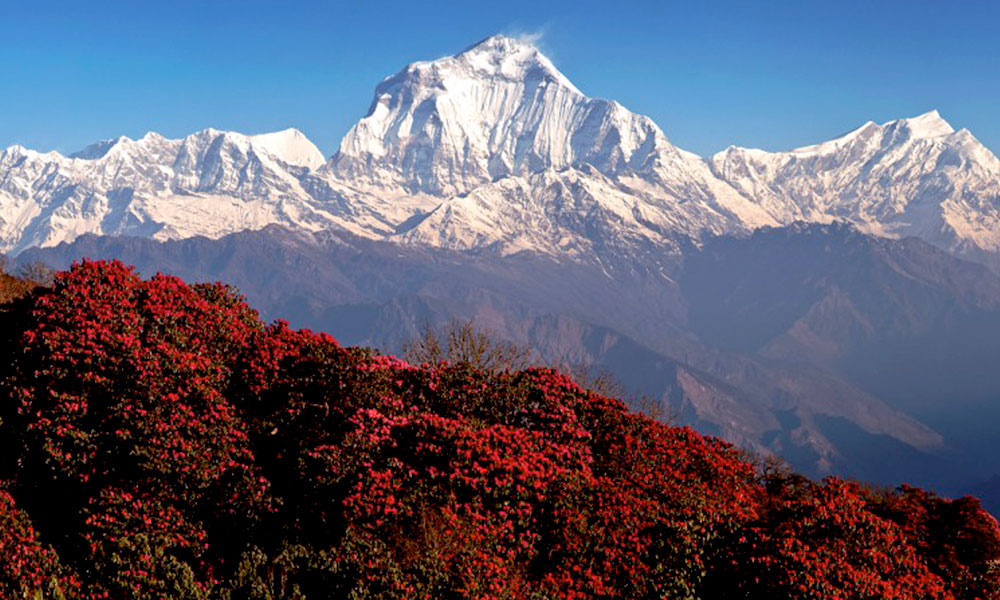
Spring (March – May): Spring season for the spectacular clear views. The stable weather brings excellent visibility. In this season rare flowers like rhododendrons and other various wildflowers are found in full blossom in their brightest colours at Ghorapani Poon hill - Ghandrung region.

Autumn (September-November): For this region Autumn has one of the spectacular, uninterrupted views of the mountains and high Himalayas. Perfect temperatures make trekking days even more enjoyable.

Winter (December-February): Clear skies at the low elevations, the air is clean and provides excellent visibility. Temperatures drop significantly in the morning and night thus requiring warm trekking gears. Sometime may snowing at Ghorapani Poon hill region, but it doesn't make any different for the trek.

"If it snows, don't worry! The mountains look even more beautiful in white, and the tea houses feel even cozier with a warm cup of ginger tea by the fire."

Practical Details and services:

Your Journey Begins: Starting on day two, immerse yourself in the spiritual heart of Nepal, the capital city at Kathmandu. You will visit world-renowned UNESCO World Heritage sites, including the historic Swayambhu, and the majestic Bhoudda stupa and Kathmandu Durbar Square.

The Trekking: Our chosen itinerary begins with a short drive to Sundarijal, followed by a scenic trek through Chisapani, Kutumsang, and Tharepati. From the high ridges, the trail descends through the cultural hubs of Melamchi Gaon, Tarke Ghyang, and Sermathang before driving back to Kathmandu.

Relaxation at Pokhara: Following your trek, enjoy two nights in Pokhara to relax or engage in lakeside activities. The journey continues as we drive to Kathmandu. 

Mountain flight: Breath-taking Mountain Flight (to see Mt. Everest) and explore the ancient artistry of Bhaktapur and Patan Durbar Squares.

Please Note: For specific route details, hotel accommodations in Kathmandu and Pokhara, trekking lodges, and full trip information, please refer to the "Day-by-Day Itinerary" at the bottom of this page.

Hotel Accommodations: At Kathmandu and Pokhara during the package trip, you will stay at 4-star hotel.

  •  Twin Sharing: Your room will feature two separate single beds. If you are traveling as a couple and prefer a large bed, it is best to request a "Double Room" in advance, though "Twin" is the default for most tour bookings.
  •  Bed & Breakfast: Your stay covers a buffet breakfast each morning. Lunch and dinner are usually at your own expense.
  • Amenities: You can expect air conditioning, free Wi-Fi, 24-hour hot and cold  water, and usually a swimming pool or spa on-site.

Dining and Daily Meals: Kathmandu and other major cities are a paradise for food lovers, offering a wide array of restaurants that serve high-quality, diverse cuisine. You can indulge in authentic Nepalese Dal Bhat Tarkari with spicy achar or sample Tibetan staples like Momos (dumplings) and Thukpa (noodle soup).

For international palates: Many establishments feature expertly prepared Indian curries, Chinese stir-fry, and Continental flavours such as pasta, steaks, and wood-fired pizzas. Most restaurants provide extensive vegetarian and vegan options, ensuring that whether you crave spicy local flavours or mild international dishes, there is something to satisfy every appetite.

About Kathmandu: Kathmandu is the capital of Nepal. The valley is the cultural and historical heart of Nepal. Often described as a "living museum," home to three ancient cities, Kathmandu, Patan, and Bhaktapur, which were once separate kingdoms.

Thamel is the main tourist hub. It’s a maze of narrow streets filled with trekking shops, cafes, massage, and different souvenir shops.

Heritage tours at Kathmandu valley: A heritage tour of the Kathmandu Valley is essentially a journey through an "open-air museum." The valley is unique because it hosts seven UNESCO World Heritage Sites within a relatively small radius.
During your tours you will visit Kathmandu, Bhaktapur and Patan Durbar Square, Swayambhu and Boudha Stupa with a professional city guide. When walking around Buddhist stupas or Hindus Temples, always walk in a clockwise direction.


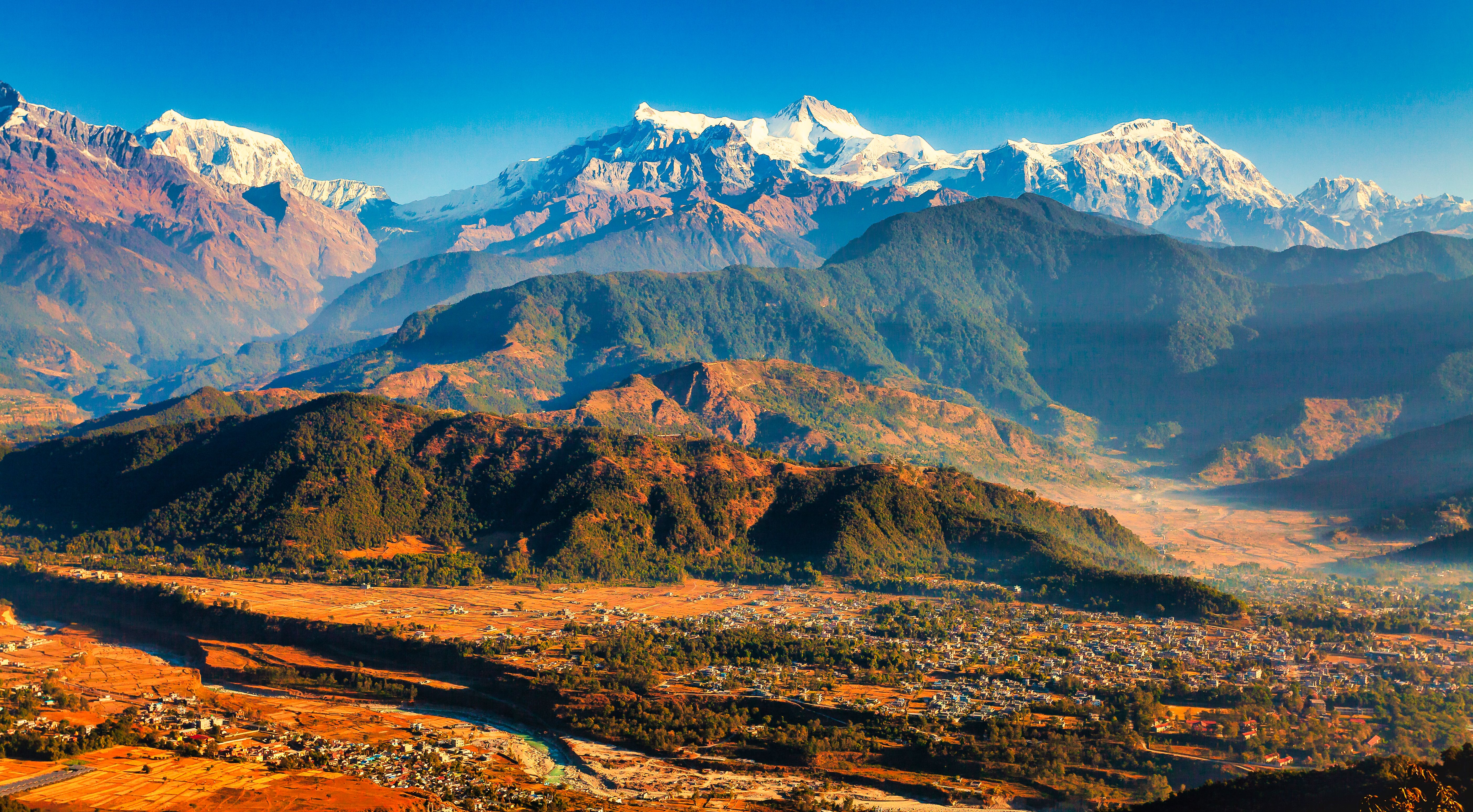
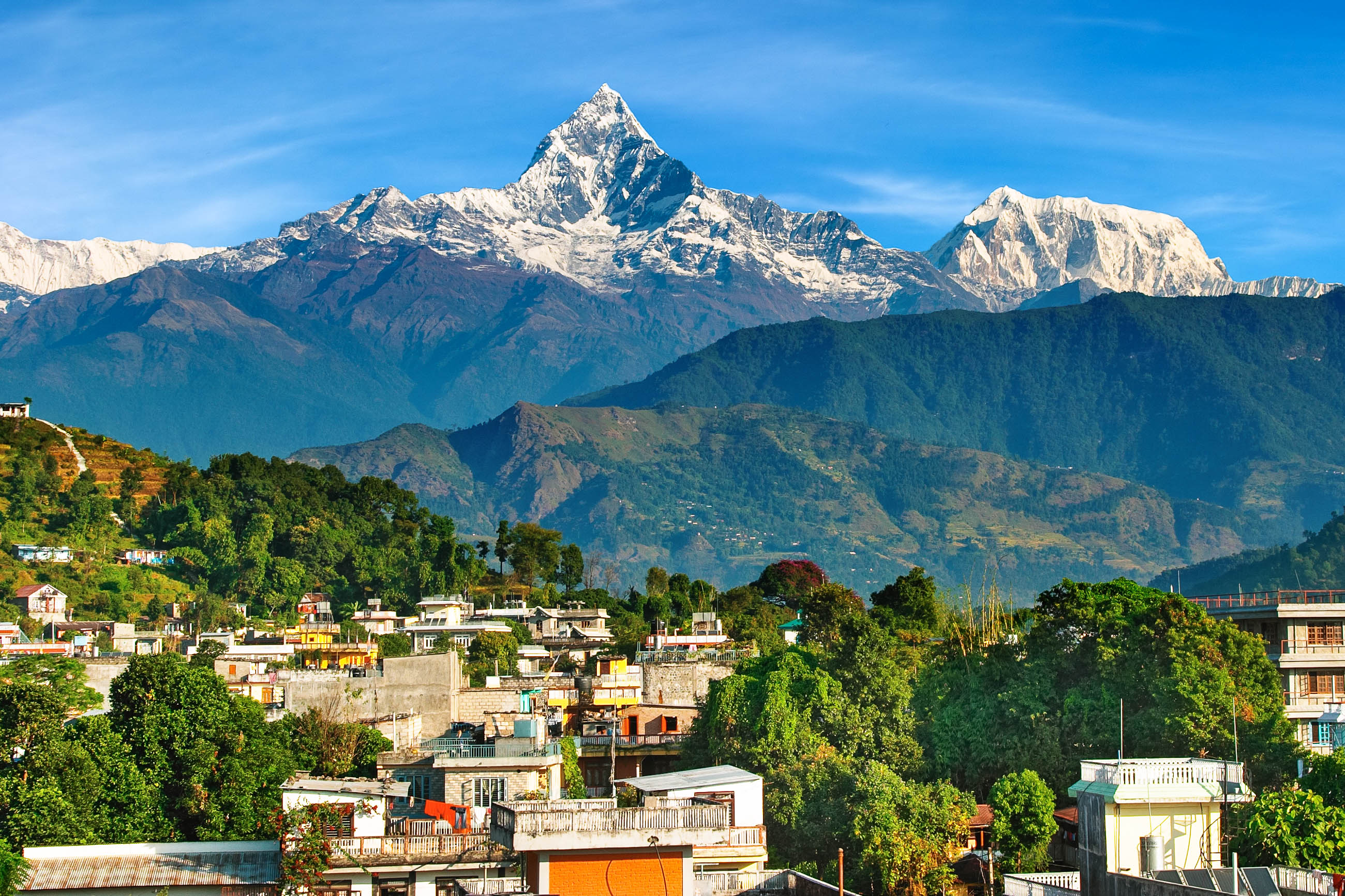
About Pokhara: Pokhara is the second largest city, the main destination for Annapurna and Dhaulagiri region's short or long duration treks and Himalayan expedition. Each year, Thousands of travellers visit Pokhara, for the Himalayan views and iconic natural landscapes.

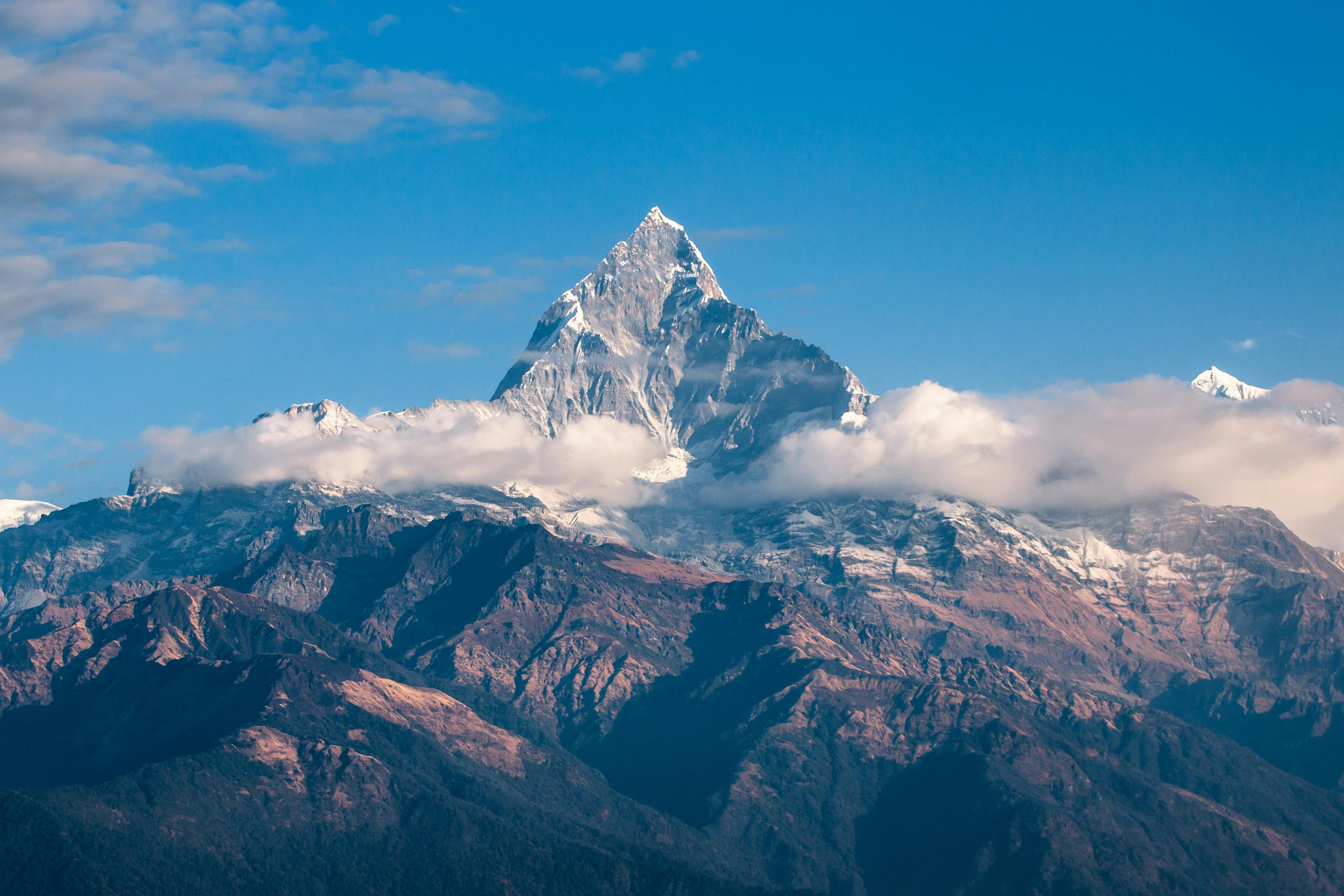
Fewa lake: Known as 'Jewel' of Pokhara, which is located at the heart of the city. From the middle of Fewa lake, you can see the ''reflection shadow'' double views of  Annapurna range and Machhapuchere (Fish tail) early in the morning very clearly if the weather is clear. 

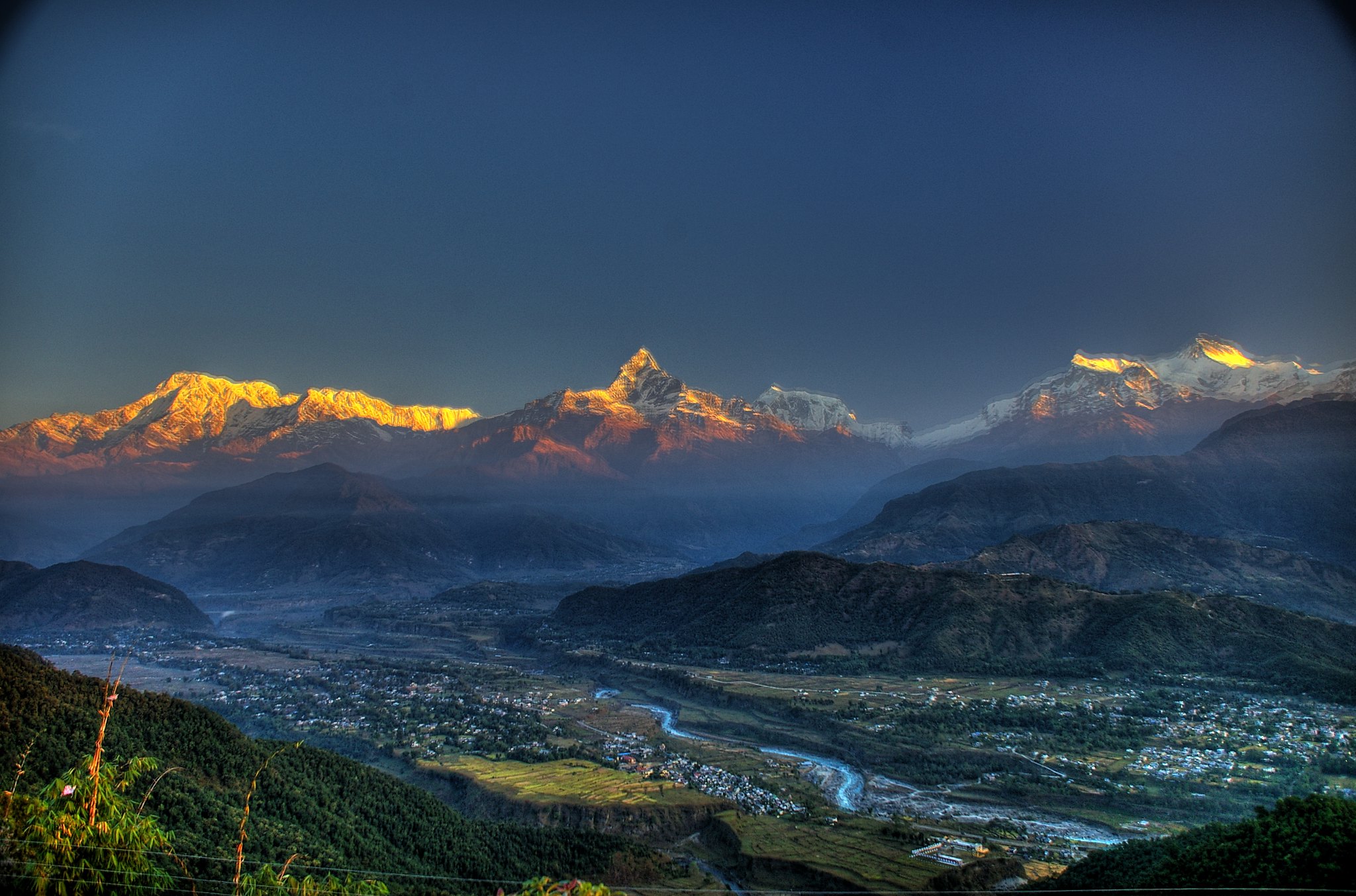
Sarangkot: The main destination for Sunrise and sunset views. From Seti Bagar Pokhara, ride the Annapurna cable car, from the cable car you can see beautiful view of Fewa lake, beautiful local villages and Himalayan views, in 9 minutes you will be at Sarangkot top. From the view tower you can see spectacular view of above 8,000m. Himalayan peaks Dhaulagiri, Annapurna, Manaslu and other several other Himalayan peaks.

About the Trekking and particular details:

Highlights the journey: There are several trekking routes and motorable roads providing access to the Helambu region. Our chosen itinerary begins with a short drive to Sundarijal, followed by a scenic trek through Chisapani, Kutumsang, and Tharepati. From the high ridges, the trail descends through the cultural hubs of Melamchi Gaon, Tarke Ghyang, and Sermathang before driving back to Kathmandu.

Throughout the journey, you will immerse yourself in lush rhododendron and bamboo forests, alongside vibrant terraced farmlands all set against the stunning backdrop of the Langtang and Jugal Himalayan ranges.

Helambu experience:  In my experience, Helambu stands apart from other mountain regions in Nepal. The local houses are exceptionally clean, well-decorated, and 'tiptop.' The people are cheerful, friendly, and show great mutual respect. Many Hyolmo homes have beautiful, hand-painted Buddhist altars (Chhosum) inside. 

While their culture is Buddhist, the Hyolmo language is distinct, different from Everest Sherpa and more similar to the dialects of Langtang and Rasuwa. As a sacred Buddhist region, the local ethics strictly forbid the killing of any animals, wild or domestic. Instead, you can enjoy the bounty of the land, including incredibly fresh organic apples and other seasonal fruits.

If you love staying in local teahouses, meeting villagers, and seeing 'the real Nepal' without needing weeks of intense training, Helambu is perfect. This short trek is a perfect way to refresh your mind and live a stress-free life, leaving you with sweet, unforgettable memories to take back home.

Trekking Guide: We provide an experienced guide who knows the region well and can secure the best restaurants, lodges, and guest houses, ensuring your safety and service. Your trekking guide will always check the menu and advise on the freshest and most readily available options before you place your order.

Porters: A porter is necessary for this trek, your trekking guide will arrange from Kathmandu. One porter can carry between 25 to 30 kg of luggage. Between two trekkers one porter will be perfect. If you are physically fit to carry your own personal gear, you don't need porter.

The Panorama: During this short trek, you will witness spectacular 360-degree views of the Ganesh Himal, Langtang, and Jugal Himal ranges. Because the trail follows high ridgelines, you see these giants from different angles every day.

Local Culture & Hospitality:  While their culture is Buddhist, the Hyolmo language is distinct, different from Everest Sherpa and more similar to the dialects of Langtang and Rasuwa. As a sacred Buddhist region, the local ethics strictly forbid the killing of any animals, wild or domestic. Instead, you can enjoy the bounty of the land, including incredibly fresh organic apples and other seasonal fruits.

If you love staying in local teahouses, meeting villagers, and seeing 'the real Nepal' without needing weeks of intense training, Helambu is perfect. This short trek is a perfect way to refresh your mind and live a stress-free life, leaving you with sweet, unforgettable memories to take back home.

Lodging at Trek: During your journey, you will stay in charming local hotel or lodges on a bed-and-breakfast basis. While mountain facilities are simpler than those in Kathmandu, they offer cozy atmosphere and the legendary warmth of Himalayan hospitality.

Cozy Dining Halls: The dining halls feature traditional wood-fire heating, creating a warm and inviting atmosphere for your evenings. Each lodge boasts its own restaurant, serving breakfast, lunch, and dinner, along with a full selection of hot and cold beverages.

To ensure a top-tier experience, your guide will be on hand to help you select fresh, delicious meals tailored to your tastes.

Travel Insurance: Unfortunate illness or injury can happen to anyone, anywhere. In the remote mountain regions where we trek, your safety is paramount. Because ground transport to the nearest clinic can be slow, we rely on rapid aerial response.

•    Helicopter Rescue from Kathmandu or Pokhara offers the fastest rescue service but is extremely expensive.

•    Action Required: We strongly advise you to issue a 'comprehensive travel insurance policy' from your home country or in Kathmandu. Your policy must specifically cover emergency helicopter evacuation and medical expenses at high altitudes (up to 3,000m.)

Pro Tip: Please Always carry a digital and printed copy of your insurance certificate and the 24-hour emergency contact number for your provider.

Permits and Fees: For Helambu region, not required a trekking permit, you need National Park entry permit and a TIMS card (Trekkers' Information Management System). We will handle the arrangement of these for you. The local municipality entry fees will be managed and arranged by your trekking guide on the spot.

Kathmandu to Pokhara flight: To save the time and for the Himalayan views, flight from Kathmandu to Pokhara it takes only 20 - 25 minutes. During this panoramic flight you can see spectacular Himalayan views of Annapurna range and Machhapuchere clearly if you take seat at right hand side.
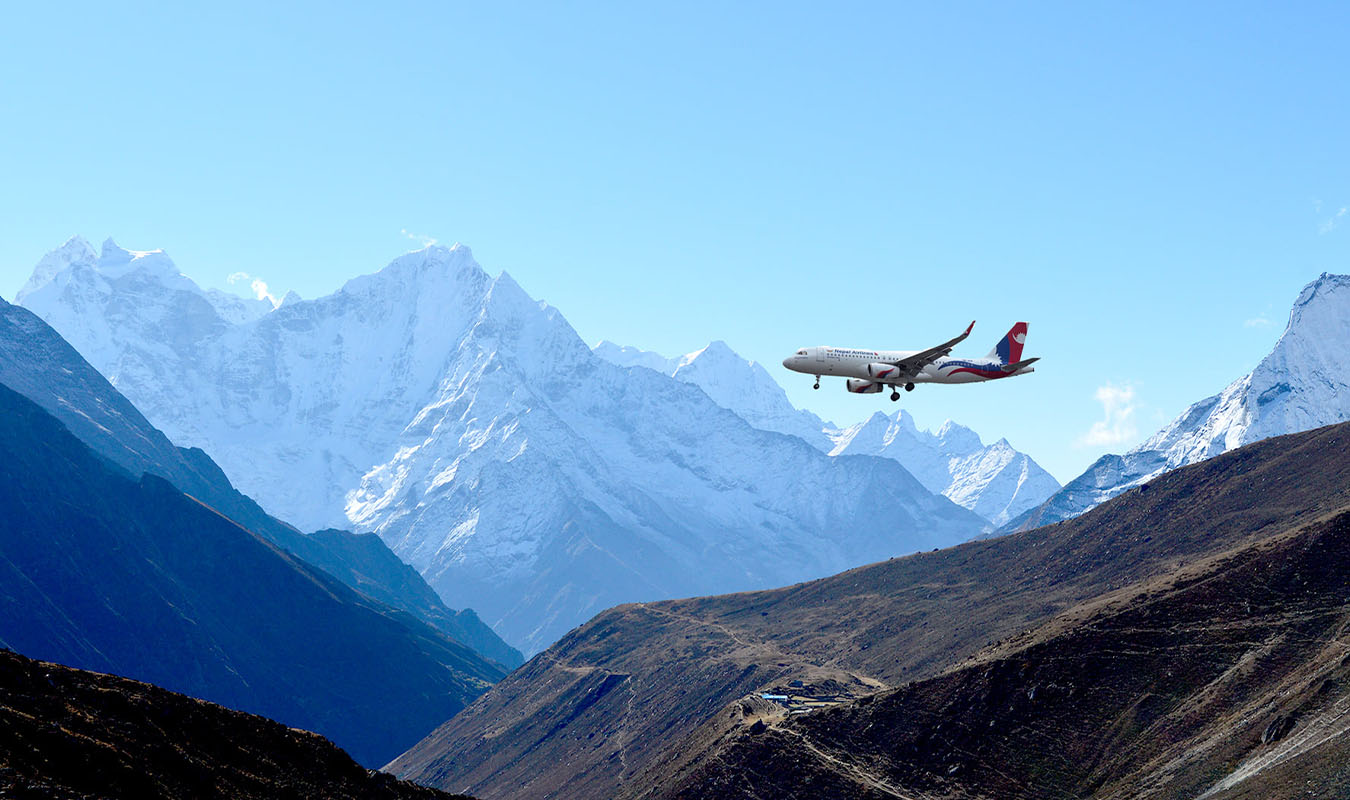
Mountain Flight: One hour’s mountain flight from Kathmandu to the Everest Khumbu region is one of the most popular ways to see the "Top of the World" without the physical demand of a two-week trek. It is essentially a one-hour loop designed specifically for Himalayan panorama.

The mountain flights depart early in the morning from the Tribhuvan International Airport (TIA) domestic terminal from Kathmandu. Every passenger is guaranteed a window seat for the views.

Transportation: To ensure your arrival and departure are as smooth as possible, we provide private vehicle car, van or bus as group size, transfers for all your airport needs.

We provide private vehicle transfers as your group size for both legs of your journey: from Kathmandu to the start of the trek in Sundarijal, and from Sermathang, back to Kathmandu once your trek concludes.

For your experience Pokhara to Kathmandu 200km. you will drive by a tourist bus.

During all city Heritage Tours. We provide the right-sized private vehicle for your group to ensure a smooth, cool journey.

Your Daily Trekking Routine: 

Life on the trail follows a peaceful, structured rhythm designed to keep you energized and immersed in the landscape.

The Morning Call: Your day begins gently. Early in the morning, your guide will bring a hot cup of tea or coffee directly to your room, followed by a bowl of warm water for washing. After freshening up and packing your duffel bag, you’ll head to the dining hall. A fresh, warm breakfast is served as you take in the morning sun hitting the surrounding peaks.

The Trail & Midday Break: The day is spent at a steady, comfortable pace. Along the way, you’ll enjoy scenic strolls, capture photographs, and explore local culture - visiting monasteries, schools, or villages with your guide.

Lunch between 11:00 AM and 1:00 PM, featuring a freshly prepared hot meal and drinks. Following lunch, you’ll have about an hour to digest and relax before resuming the afternoon leg of the journey.

Afternoon Arrival & Evening Relaxation: Upon reaching the day’s destination, your guide will handle your hotel or lodge check-in. Once you’ve settled into your room, the late afternoon is yours to enjoy. Relax in the heated dining hall with hot drinks, biscuits, and local cheese. You’ll place your dinner order early to ensure a fresh meal at your preferred time.

Evening Briefing: During dinner, your guide will recap the day’s highlights and provide a detailed briefing on the terrain and plan for the following morning.

Clothing: For this package trip, you won’t need heavy gear because you will be traveling and trekking at low elevations. Normal clothing is perfectly fine; however, we suggest bringing a light warm jacket along with your regular clothes. It can be quite chilly while in the morning and evening, so having an extra layer is essential.

Optional: Camera (with high-capacity memory cards and extra batteries), trekking poles / walking sticks, binoculars, notebook, pen etc.

Sleeping bag: We strongly suggest bringing your own normal sleeping bag with an inner liner. Because hotels / lodges blankets are not always warm and clean enough to meet your personal standards. If you, doesn’t have sleeping bag you can buy or hire at Kathmandu as your size.

Why Choose a Trekking Agency in Kathmandu?

While some trekkers explore the Himalayas independently to save on costs, they often overlook a critical question: "If something goes wrong, what is the solution?" Trekking in Nepal is vastly different from hiking in Europe or Western countries. The terrain is rugged, the altitudes are extreme, and conditions can change in an instant. When you trek with us, your small investment does more than just book a trip-it ensures a seamless, high-quality experience defined by a family atmosphere and total peace of mind.

Safety First: In the wilderness, unexpected challenges, from injured, sickness to unpredictable weather can arise at any moment. Without professional support, these situations can quickly become life-threatening. We provide the essential safety net and emergency logistics required to keep you safe.

The Service Difference: The mountain panorama remains the same for everyone, but the quality of your journey is defined by the service you receive. By booking through a government-registered agency like ours, you gain access to:

•    Expert Guidance: Professional guides who are fluent in the local culture, trail secrets, and shifting weather patterns.

•    Reliable Support: Dedicated porters to handle the heavy lifting, allowing you to walk freely and focus on the scenery.

•    Stress-Free Logistics: We manage every detail, from your date of arrival to departure, so you never have to worry about the "what ifs."

Your journey with us isn’t just a holiday; it’s a commitment to quality, safety, and a happy, stress-free life on the trail.

  ✅ Final Note for Everyone!

The Helambu cercuit trek and package trip designed for anyone who is physically fit, healthy, and passionate about exploring the high Himalayas. We welcome men and women between the ages of 16 and 70 to join us with confidence.

This package is suitable with friends, groups or single with a guide, families, seniors, and photography. Being surrounded by such a beautiful organic, natural Himalayan environment is proven you feeling excited, happy, stress-free, and full of sweet, unforgettable memories once in your life. 

Preparation and Support: You are never alone in your preparation. We provide comprehensive information and a full briefing in Kathmandu before you set off. Once on the trail, your guide will provide a clear, day-by-day explanation of the plan to ensure you are always informed and comfortable.

Get in Touch: For more information regarding trekking seasons, exact durations, and a competitive, reasonable cost for your group (large or small), please contact us directly. We pride ourselves on providing a service that is faster, more personal, and more reliable than the rest.

Contact us via:

Email: hellokirken@gmail.com

WhatsApp / Messenger: Kirken Sherpa +43 664 55155 46

Direct Call: +43 664 55155 46

 "Thank you for choosing ''Helambu circuit'' package trip and for being a part of our team. We look forward to trekking with you!"

Package trip's season September to May.
Kinds of package trek Lodging (Tea house) trek.
Max. elevation Ama Yangri 3,771m.
Group size 02 to 12 persons.
Total cost per person Euro 2,875.00

Single supplement per person Euro 260.00 extra cost.

The above-mentioned cost includes all the taxes.     

Group rates is available, can be negotiate.

What’s Included

 5-nights in Kathmandu 4-star hotel twin sharing basis with (bed & breakfast)  lunch and dinner.

 2- nights in Pokhara 4-star hotel twin sharing basis with (bed & breakfast) lunch and dinner.

 6 -nights lodging trekking with  (Breakfast – lunch - dinner) hot drinks.

 Kathmandu to Pokhara flight.

 One hours Mountain flight to Mt. Everest.


 Kathmandu airport / hotel /airport transport by privet A/C vehicle.

Kathmandu to Golphu Bhanjyang, before trek by privet vehicle.

 Sermathang to Kathmandu, after trek by privet vehicle.

 Pokhara to Kathmandu by tourist bus.

Transportation for trekking guide and porters.

Transport at Pokhara airport / hotel / airport and other places.

  Sivapuri National park entry fees.

 City sightseeing entry fees.

 TIMS and local government fees.

 1 experienced english-speaking trekking guide for one group.

 1 porter between two trekkers (25 to 30kg)

Medical, life and rescue insurance for guide and porters.

 2 full day sightseeing at Kathmandu, Patan and Bhaktapur, by privet vehicle with a city guide.

 Cable car for Sarangkot, boating and sightseeing at Pokhara. 

Continue cost included

What’s Not Included

❌ All personal expenses for alcoholic beverages, cold drinks, laundry.

❌ Lunch and dinner at Kathmandu and Pokhara.

❌ Medical and travel insurance for the trekkers.

❌ International airfare and custom.

❌ Emergency helicopter rescue charges if necessary.

❌ Any kinds of Visa for Nepal.

❌ Tips for guide and porters.


Daily Itinerary

Warm Welcome: Upon your arrival at the Tribhuvan international airport, Our representative will meet you at the airport terminal with a personalized sign, handling your luggage, welcome you with colourful flowers, drive to star hotel as your booking. Upon arrival at your hotel, you will be served a refreshing welcome drink at reception while our team assists with your check-in.

First Evening & Briefing: In the evening, you can enjoy dinner at your hotel or a local restaurant. During this time, our Tour Manager will conduct a comprehensive briefing, covering your trekking itinerary, safety protocols, and any other essential information for your upcoming adventure.

.  4-star Hotel as your booking at Kathmandu.  

After breakfast at your hotel, the day is yours to explore the vibrant culture of Kathmandu. You may choose to, Wander through the bustling bazaar to pick up last-minute trekking gear or souvenirs.

About Kathmandu: Kathmandu is a living gallery of ancient history, where seven UNESCO World Heritage sites are packed within a single valley. A heritage tour here takes you through the "Three Kingdoms," sacred riverbanks, and hilltop stupas that define Nepal's spiritual and architectural legacy.

Note: If you like Heritage Tours, our program will be as follow, which doesn't include the cost. You have to pay extra for Heritage Tours and entry permit.

Heritage tours at Kathmandu: After breakfast, the city guide will pick you up at hotel for sightseeing at world heritage list by UNESCO at different places. Heritage tours beginning short drive to Swyambhu nath stupa, which is oldest Buddhist stupa in the world, build 2,000 years ago. Visit around the stupa, offering the butter lamps for your good Karma and future for all. 

  • Swyambhu stupa: Swayambhu Mahachaitya, also known as the "Monkey Temple," sits on a hill overlooking the valley. It is one of the most recognizable symbols of Nepal, characterized by its all-seeing Buddha eyes.
  • Panoramic Views: Offers a 360-degree view of the Kathmandu Valley, especially beautiful at sunrise and sunset.
  • Religious Harmony: A unique site where Hindu shrines and Buddhist monasteries coexist side-by-side.

Bhouda Stupa: Boudha Stupa, is one of the largest spherical stupas in the world. It serves as the spiritual hub for the Tibetan Buddhist community in Nepal.

  • Pilgrimage Route: Join hundreds of pilgrims in "Kora," the ritual of walking clockwise around the massive white dome while spinning prayer wheels.
  • Monastery Hub: Surrounded by over 50 Tibetan monasteries, the air is often filled with the sound of deep chanting and ringing bells.
  • Mandala Design: The entire structure is a 3D representation of the Buddhist cosmos, with 13 steps leading to the spire representing the stages of enlightenment.

Lunch: You can take lunch and enjoy the beautiful view of Bhouda stupa. After lunch drive to Kathmandu Durbar square.

Kathmandu Durbar square: The Durbar square is the historic epicenter of the city, where kings were once crowned. It remains a vibrant public space where ancient rituals are still performed daily.

  • Kumari Ghar: The residence of the "Living Goddess," a young girl worshipped as a manifestation of the goddess Taleju.
  • Hanuman Dhoka: The old royal palace complex, featuring numerous courtyards and a museum dedicated to Nepal's monarchy.
  • Taleju Temple: A magnificent 16th-century temple that stands as the tallest structure in the square, traditionally open to the public only once a year.

After Heritage tours, walk from New Road to Thamel for dinner and back to hotel.

 4-star Hotel with bed and breakfast at Kathmandu  

The trek from Sundarijal to Chisapani is the traditional "Day 1" of the Helambu circuit and a classic gateway into the Himalayas. It is a transition from the bustling city life of Kathmandu to the tranquil, green ridges of the Shivapuri Nagarjun National Park.

Morning journey: After breakfast, your guide will pick you up from the hotel, drive to Sundarijal which takes about one hours, it's up to the traffic and road condition.

First day trek: Your first day trek starts at (alt.1,350m. from Sundarijal, ascent all the way passes through Tamang villages and Shivapuri Nagarjun National Park trek ends at (alt. 2,300m.) Chisapani for overnight stay. 

Lunch: You can take lunch at beautiful places with panorama on the way as your appetite, your guide will ask and decide.

Chisapani: Chisapani is one of the best place for the panorama, many local and travellers are coming here for the panorama. There are several lodges for accommodation and meals.

 Breakfast + lunch + dinner with hot drinks.  Lodging at Golphu.  Approx. 5 to 6 hours.

The trek from Chisapani to Kutumsang is the second leg of the classic Helambu circuit. It’s a favourite for those who want a "mountain fix" without committing to a multi-week expedition or dealing with extreme altitudes.

While the first day from Sundarijal to Chisapani is a stair-climbing marathon, the stretch to Kutumsang offers a more rhythmic, rolling landscape through the heart of Shivapuri Nagarjun National Park.

The panorama: Before leaving Chisapani, wake up early morning. On a clear day, you get a panoramic sweep of the Himalayas, including Ganesh Himal, Langtang Lirung, Gauri Shanker and even Everest far in the distance.

Morning journey: The trail begins with a descent through lush meadows and rhododendron forests. You’ll pass through small settlements like Pati Bhanjyang, a charming Brahmin and Chhetri village. This section is culturally rich, you'll see local terrace farming and daily village life in full swing.

After Gul Bhanjyang, the trail climbs toward a ridge called Chipling Danda. This is the "sweet spot" of the trek, you will enjoy your lunch with beautiful views. 

Afternoon journey: After your warm meal and a short rest, the heavy lifting of the morning is mostly behind you. The trail becomes a series of gentle gradients to your destination Kutumsang village.

Arrival in Kutumsang: Kutumsang is a traditional Tamang village. The architecture shifts here, you'll see more hand culture. There are few lodges for overnight stay and meals.

 Breakfast + lunch + dinner with hot drinks.  Lodging at Kutumsang.   Approx. 5 to 6 hours.

The trek from Kutumsang (2,470m) to Thadepati (3,650m) is widely considered the most physically demanding but visually rewarding stage of the Helambu Circuit. You are essentially climbing out of the inhabited foothills and into the high-altitude alpine zone.

Morning Trek: The day begins with a steep climb immediately after leaving the village of Kutumsang. You’ll leave the terraced fields behind and enter a dense, ancient forest dominated by rhododendron, oak, and fir trees. If you are trekking in the spring (March–April), the forest is ablaze with red and pink blossoms.

The ridge: After about 2–3 hours of climbing, you reach the Yurin Danda ridge. This is a major highlight where the trail levels out slightly. From this vantage point, you get your first clear, panoramic views of the Langtang Range, including Langtang Lirung and Ganesh Himal.

Magen Goth: Continuing along the ridge and through the forest, you will arrive at Magen Goth (approx. 3,150m). This is a small settlement often used by shepherds (Goths). Most trekkers stop here for a lunch of Dal Bhat to fuel up for the final push. There is a Langtang National Park check post here where you may need to show your permits.

Thadepati: The stretch from Magen Goth to Thadepati involves more uphill walking through "rhododendron tunnels" and open glades. As you get closer to 3,600m, the trees become stunted and the landscape turns into alpine meadows. The final 45 minutes can be a bit of a "lung-buster" as the air thins.

Thadepati is not exactly a village; it is a high-altitude pass and a junction of three major trails (leading to Helambu, Gosaikunda, and Melamchi Gaun). It consists of a few basic tea houses perched on a windy ridge.

 Breakfast + lunch + dinner with hot drinks.  Lodging at Thadepati.   Approx. 6 to 7 hours.

The trek from Tharepati to Melamchi Gaon is a dramatic change of pace. After the long, uphill grind of the previous day, today is almost entirely a steep descent. You drop from the high, windswept ridges into the lush, culturally rich heart of the Helambu valley.

Morning journey: Before you start your descent, make sure to catch the sunrise at Tharepati. Because you are on a high ridge, the sun hits the Jugal Himal and Dorje Lhakpa ranges with incredible clarity. It’s one of the best photo opportunities of the entire trip.

The trail starts immediately with a sharp drop from the ridge. You’ll leave the alpine scrub behind and re-enter a "cloud forest" thick with moss, ancient rhododendron trees, and hanging lichens. The path consists of many stone steps and forest trails. If it has rained or misted recently, these stones can be quite slippery. This section feels very prehistoric and quiet. 

Melamche village: On the way there is not good teahouses for lunch, you have to reach at village for lunch. As the forest begins to thin, you’ll see the fluttering prayer flags and terraced fields of Melamchi Gaon. The transition from the silent forest to a bustling mountain village is quite striking.

This is a beautiful, large Hyolmo (Sherpa) village. Unlike the basic lodges at Tharepati, Melamchi Gaon feels like a "lived-in" community. Take time to visit the local Gompa (monastery). The Hyolmo people have a unique culture and dialect. 

Look for the intricately carved wooden windows and stone-walled houses that characterize the region, it’s much warmer here. There is several lodges and homestay for overnight stay and meals.

 Breakfast + lunch + dinner with hot drinks.  Lodging at Melamche.   Approx. 5 to 6 hours.

The trek from Melamchi Gaon to Tarke Ghyang is often the cultural highlight of the Helambu Circuit. It’s a relatively short but scenic walk that takes you from one side of the Melamchi Valley to the other.

Morning journey: After breakfast at your lodge, the day begins with descent from Melamchi Gaon down to the Melamchi Khola (River). You’ll walk through terraced fields where locals grow potatoes and barley. Keep an eye out for the large suspension bridge at the bottom.

Once you cross the bridge, the "real" work begins. You have to climb back up the other side of the valley. The trail winds through beautiful forests and past several small chortens (Buddhist shrines). As you approach Tarke Ghyang, the trail levels out into a wide, pleasant path. You'll see more prayer flags, mani walls (stone walls carved with mantras), and perhaps some local yaks or dzos (yak-cow hybrids) grazing nearby.

Lunch: The lunch up to your appetit, you can take simple lunch on the way or late lunch at Tarke Gyang village. The trek since it’s a shorter day, don’t feel the need to speed through. Take your time at the river and explore the small shrines along the way.

Tarke Gyang village: Tarke Ghyang is one of the oldest and largest Sherpa/Hyolmo villages in the region.

The village is named after its famous Ghyang (Monastery). The original was unfortunately damaged in the 2015 earthquake, but it has been beautifully restored. It’s well worth a visit to see the intricate woodwork and paintings.

The houses here are famous for being built closely together with stone and intricately carved wooden windows. This is the heart of the Hyolmo community. You’ll find the locals to be incredibly hospitable, don't be surprised if you're invited in for a cup of butter tea!

Tarke Ghyang is much larger than it looks from a distance. Spend your afternoon wandering the narrow alleyways; it feels like stepping back in time.

 Breakfast + lunch + dinner with hot drinks.  Lodging at Tarke Gyang.   Approx. 3 to 4 hours.

Explore Ama Yangri: Ama Yangri located 3,771 meters elevation, which is your highest point in this trek. ''Ama Yangri is a protector Deity'' and they believe the mountain itself is a goddess.which is the holy mountain for the Yalmo people from Helambu region.

Early morning after breakfast, take your pack lunch with enough drinks, the trail begins a steady, rhythmic climb. You’ll move through high-altitude forests of stunted oaks and rhododendrons. As you get higher, the trees disappear, replaced by open alpine meadows and rocky paths.

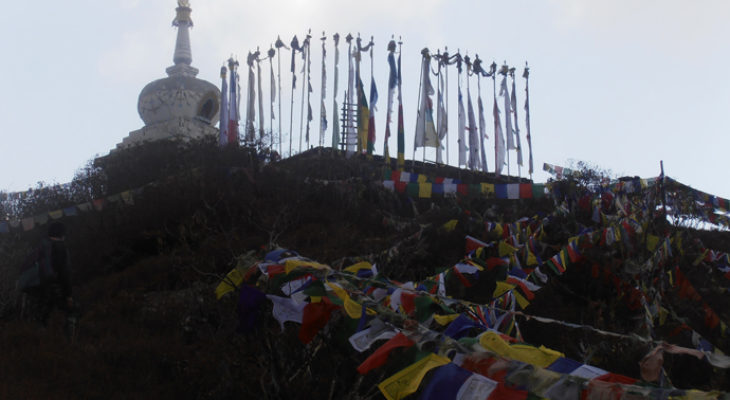
The Summit Experience: Reaching the top of Ama Yangri feels like standing on the edge of the world. You’ll find the small stupa draped in hundreds of colourful prayer flags snapping in the wind. 

The 360° Panorama: This is the "Big View" of the day. You aren't just looking at the mountains; you are level with them. You'll see:

  • Jugal Himal Range (the closest and most dominant).
  • Langtang Lirung to the west.
  • Dorje Lhakpa and Gauri Shankar to the east.

On a crystal-clear morning, you can see all the way across the deep valleys toward the Tibetan border.

The Descent: After pack lunch with panoramic views, walk back down is much faster than the climb up, but it can be taxing on the knees. You’ll be heading back to the comfort of your lodge in Tarke Ghyang. With the physical challenge of the peak finished, the afternoon is perfect for a slow, mindful visit to the Tarke Ghyang Gomba.

The interior of the monastery is often filled with intricate murals (Thangkas) and statues that tell the story of Buddhism in the Himalayas. It’s the perfect place to sit quietly and reflect on the trek.

 Breakfast + lunch + dinner with hot drinks.  Lodging at Tarke Gyang at same place.   Approx. 5 to 6 hours.

The trek from Tarke Ghyang to Sermathang is often described as the "victory lap" of the Helambu Circuit. After the steep climb to Ama Yangri the day before, this stretch is a gentle, pleasant walk that stays at a relatively consistent altitude.

It is famous for its wide, easy trails, lush forests, and the transition into the famous apple orchards of the region.

Morning journey: After breakfast at your lodge, you’ll walk through beautiful rhododendron and hemlock forests. Since you aren't struggling for breath on a steep incline, this is the perfect time for birdwatching or chatting with fellow trekkers.

Lunch: About halfway, you’ll pass through the small, picturesque village of Ghangyul. If you like, you can take early lunch at Ghanyul or continue to Sermathang. The culture here is deeply Buddhist, Mani walls and small chortens.  and the atmosphere is incredibly peaceful.

The Sermathang: Sermathang is a large, wealthy-looking village with some of the best-maintained lodges in the region. The village is situated on a high ridge. On a clear day, you can see beautiful view of Helambu valley. There is another significant monastery at the top of the village. It’s a great place to watch the sunset and hear the evening prayers.

Farewell to the Team: This evening is the traditional time to say goodbye to your porters and guide. If you are satisfied with the service and the incredible effort of your team, it is customary to offer tips as a gesture of thanks for their hard work and dedication in helping you reach your goals.

You have successfully completed the Helambu circuit trek, a truly world-class achievement!                     'Complete the trek'

 Breakfast + lunch + dinner with hot drinks.  Lodging at Sermathang.   Approx. 4 to 5 hours.

The drive from Sermathang to Kathmandu marks the transition from the quiet Himalayan ridges back to the bustling capital. While the distance is not so far but the journey typically takes 4 to 6 hours due to the winding mountain roads and varying road conditions.

Lunch: Your vehicle will stop for lunch at good place. Where you can take lunch and drinks.

There are two roads from Sarmathang to Kathmandu:

1. The old road via Tarang marang, Dulikhel to Kathmandu.

2. Melamchi Water Project road, which is more views and better.

Arrival at Kathmandu: Afternoon you will reach at Kathmandu. Your guide will take at your hotel, welcome drinks at reception, check-in room. 

Now you are at city as your choice you can enjoy dinner at Kathmandu, visit anywhere you like.

 Breakfast + lunch + dinner with hot drinks.  4-star Hotel at Kathmandu.  

After breakfast, you can visit Thamel Bazaar, by souvenir or gift from the Himalaya for your family and friends. Lunch as your appetite afternoon your guide will pick you up from your hotel, drive to airport for Pokhara flight.

From Kathmandu to Pokhara (alt. 822m.) it takes about 25 minutes by flight. From airplane you can see spectacular view of Jugal Himalayan and Annapurna Himalayan range. At Pokhara airport hotel's vehicle waiting for you. Drive to the hotel as your booking 4-star hotel at Fewa lake side, welcome drinks at the reception, check-in the room.

After fresh evening walk at lake side with beautiful sun set view at Annapurna Himalayan range. There are several tourist standard restaurants at the lake side, your guider will take you at the restaurant for dinner.

 Breakfast with hot or cold drinks.  4-star Hotel at Pokhara.  

"Today, you can sleep in as long as you'd like. After breakfast at the hotel, we will head out for sightseeing at Devi’s Fall and the Tibetan refugee camp."

  • Devi’s Fall: It’s great to see this in the morning when the light hits the mist rising from the gorge.
  • Tibetan Refugee Camp (Tashi Palkhel): This is a wonderful addition. You can watch residents weaving traditional wool carpets by hand and visit the monastery. It’s a great place to pick up authentic handicrafts.
  • Fewa Lake Boating: After lunch, One hour boating at Fewa lake. It is the ultimate way to relax your trekking legs. If the water is calm, you’ll see the Machhapuchhre reflection perfectly mirrored in the lake. Back to hotel for rest and relax.

The Cable Car Experience: In the evening, take a 5-minute drive or a short walk to the Annapurna Cable Car station at Seti Bagar. Enjoy a 9-minute ride up to Sarangkot Hill for stunning sunset views. From the observation tower, you will witness spectacular panoramas of 8,000m peaks, including the Dhaulagiri, Annapurna, and Manaslu ranges—offering a perspective of the Himalayas you haven't yet seen from Korche Danda.

  • The Sunset: Sarangkot is legendary for sunset ans sunrise views. Watching the white peaks turn from bright gold to a deep "Alpenglow" pink is unforgettable.
  • Dinner with a View: Enjoy dinner at Sarangkot. Looking down at the twinkling lights of Lakeside Pokhara while the Himalayas loom dark and massive above you is the perfect way to end the day.

Accommodation: 4-star Hotel with bed and breakfast at Pokhara.  

Traveling from Pokhara to Kathmandu by luxury tourist bus is the most popular way to balance cost and comfort. While the distance is only 200 km (124 miles), the journey is an all-day affair due to the winding terrain and ongoing road expansion projects.

Early morning after cup of hot drinks, hotel will provide a privet vehicle drive to Tourist Bus park at Pokhara. 

The Bus: The tourist bus "Sofa Seaters," which offer significantly more legroom and padding than standard buses. 

What the Journey is Like? 

  • Duration: While it "should" take 7 hours, heavy roadworks on the Prithvi Highway frequently cause delays.
  • The Route: You will follow the Trishuli River. If you sit on the left side of the bus (heading to Kathmandu), you’ll get the best views of the river and the deep valleys and rafting.

Stops: The bus will typically make 2–3 stops:

  • Breakfast: About 2 hours into the journey.
  • Lunch: A longer 30–45 -minute stop at a highway restaurant or resort.
  • Quick Break: A final restroom/tea stop before the final enter into the Kathmandu Valley.

After arrival at Kathmandu, your guide will take you at your hotel by privet vehicle. Welcome drinks at the reception, check-in room. After re-fresh you can enjoy dinner as your choice.

 Breakfast + lunch with hot or cold drinks.  4-star Hotel at Kathmandu.  

Mountain flight: Early morning after cup of coffee drive to airport for One hour’s mountain flight from Kathmandu to the Everest Khumbu region is one of the most popular ways to see the "Top of the World" without the physical demand of a two-week trek. It is essentially a one-hour loop designed specifically for Himalayan panorama.

The mountain flights depart early in the morning from the Tribhuvan International Airport (TIA) domestic terminal from Kathmandu. Every passenger is guaranteed a window seat for the views.

Breakfast: After returning from your mountain flight, you will head east along the Arniko Highway (NH03). This well-paved 15 km stretch leads you away from the dense city centre as the landscape begins to open up. You will soon reach the ancient gates of Bhaktapur to enjoy breakfast and the city's famous "JuJu Dau" (King Curd).

Heritage tours at Bhaktapur: Bhaktapur Durbar Square is often called an "Open Air Museum" and is the most well-preserved of the three valley kingdoms. The area is largely car-free, making it perfect for a walking tour. You can visit at Bhaktapur:

  • 55-Window Palace: This 15th-century masterpiece features incredible woodcarvings and was once the seat of royalty.
  • Pottery Square: A short walk away, you can watch local artisans spinning clay on traditional wheels and drying thousands of yogurt pots in the sun.
  • Golden Gate: This serves as the entrance to the main courtyard of the palace and is considered one of the most beautiful pieces of metalwork in the world.

After Heritage tours drive to Patan for lunch.

Patan Heritage tours: Patan Darbar Square located in the city of Lalitpur, is famous for its concentration of fine arts and bronze craftsmanship.

  • Krishna Mandir: A stunning stone temple dedicated to Lord Krishna, built entirely of stone with intricate carvings depicting scenes from the Mahabharata.
  • Patan Museum: Housed inside a former royal palace, this museum is widely regarded as one of the best in South Asia for its collection of sacred bronze and copper statues.
  • The Golden Temple (Hiranya Varna Mahavihar): A unique Buddhist monastery located just north of the square, famous for its gold-plated facade and peaceful inner courtyard.
  • Taleju Bell: A massive bronze bell used in ancient times to alert the king to the grievances of the citizens.

After the Heritage tours drive back to hotel at Kathmandu, re-fresh for dinner.

Farewell party: Evening our representative will take you for a farewell Nepali typical dinner with a culture program. After dinner back to hotel.

  4-star Hotel with bed and breakfast at Kathmandu.  

Stress-Free Departure: At the end of your journey, we will coordinate your hotel pickup to ensure you arrive at the airport with plenty of time for your flight.     Complete the trip.

Breakfast with hot or cold drinks. 

Continue for detail itinerary
Designed & developed by: Ashok shah