Dear all trekkers and climbers,
Namaste! A warm welcome to trekkers and climbers from all over the world. We invite you to trekking at Langtang region and Paldor peak climbing. Which is a true paradise for those who love high-altitude adventure, untouched nature, and the serene mountain environment.
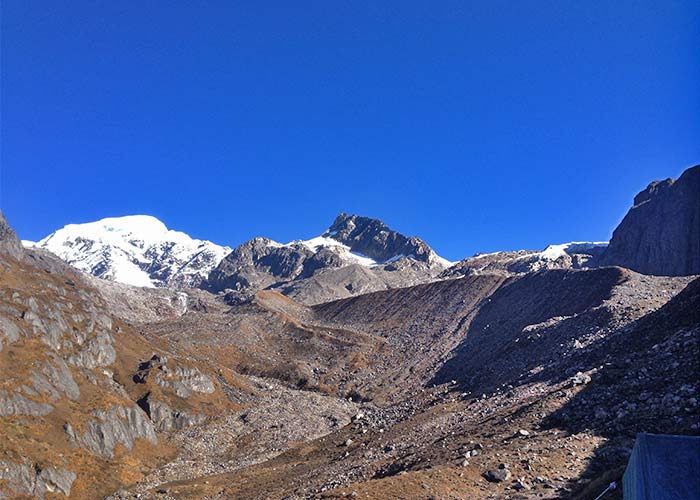
🏔️ About Paldor Peak: Paldor Peak is a hidden gem in the Ganesh Himal region. Standing at 5,896 meters, it is one of the most accessible trekking peaks from Kathmandu, yet it remains wonderfully tranquil and far from the crowded trails of the more famous regions.
Situated just above the picturesque Somdang Valley, Paldor offers a true wilderness experience for those looking to escape the masses.
 Difficulty and Grade: The peak climbing skills, it is a significant physical and technical step, slightly it is to climb difficult involves navigating steep. Your guide will fix the rope, you just put Ascender (Jumar) follow the rope to summit.
At an elevation of 5,896m, the air is thin and every ounce of energy is precious. At this altitude, every single move up the vertical headwall feels like a marathon, testing both your physical endurance and mental grit.
Highlights the journey: Syabrubesi is the main gate way for Langtang valley trek, Kearung Nepal / Tibet border and Paldor base camp. In our itinerary, the trek begins from the motor road at Syabrubesi, ascending through diverse terrain to the Khurpu Danda pass (3,710m) before descending into the Somdang Valley and pushing upward to Paldor Base Camp.
Once we depart from Syabrubesi Bazaar, we leave the modern world behind. As there are no standard lodges or developed guest houses in this remote region, we provide a full tented camping experience. Our professional camp setup provides a cozy, organized base in the Paldor peak climbing and trekking. This route is far from the commercial hubs; you will encounter very few other trekkers, ensuring a private and serene connection with nature.
After reaching the summit, the route heads back via Pangsang Bhanjyang to Kaulebesi village, where we catch our drive back to Kathmandu.
Achieving Success on Paldor Peak: To reach the summit of Paldor Peak, you don’t need to be a professional mountaineer, but you must respect the mountain's demands. A successful expedition is built upon three essential pillars:
1. Physical Fitness 2. Thorough Acclimatization 3. Mental Confidence
The Golden Rule: While the early morning push to the summit is exhilarating, the descent back to Base Camp is often the most dangerous phase of the expedition. Move slowly and maintain absolute concentration during the rappel and the long trek back to Base Camp. Every step counts until you are off the ice.
 Panorama from Summit: If the weather permits, you will be rewarded with one of the most intimate and iconic panoramic views on Earth. I can promise you this: you won’t just be looking at the mountains, you will feel as though you are standing among them.
From the (alt. 5,896 m. summit) you will be surrounded by a 360-degree theatre of giant Himalayan peaks including, Ganesh Himal range, Gosaikunga, Tibet border peaks and Shisa Pangma in Tibet.
For first-time climbers, preparation at Base Camp is key to a successful summit. Your climbing guide will lead a mandatory practical training session to ensure you are comfortable with your equipment before leaving the tent.
1. Mastering the Gear:
Harness & Crampons: We will ensure your harness is fitted correctly over your down layers and that your crampons are perfectly adjusted to your mountaineering boots.
The Ice Axe: You will practice the correct way to hold and carry your ice axe, including how to use it for balance and as an "anchor" if needed.
2. Fixed-Line Techniques:
The Ascender (Jumar): You will practice sliding the Jumar up the rope and, most importantly, how to switch carabiners at anchor points (the "re-belay") without ever being unclipped from the safety line.
The Descender (Figure-8): We will practice rappelling (abseiling). You’ll learn how to thread the rope through your Figure-8 or ATC and how to control your speed with your "brake hand."
3. Mountain Safety Protocols:
Maintaining Distance: You will practice keeping a safe distance from the climber in front of you to avoid rope tension issues or falling ice / snow.
Rope Management: Learn how to manage the "main rope" so it doesn't get tangled in your crampons.
Communication: We will review the hand signals and verbal commands used between you and your guide during high winds.
 High-altitude sickness occurs when your body can’t get enough oxygen because the lower air pressure at higher elevation above 3,000m. when you ascend too quickly during the trek. At High elevation anyone at any time can be suffering from high-altitude sickness which is common, you don’t have to be nervous but please be attention.
High-altitude symptom: If you feel symptoms of high- altitude (Headache, vomiting, loss your appetite, Dizziness and trouble falling asleep) stop to ascending immediately descend as possible. Eat enough garlic soup, take lots of hot drinks and rest. Next day you will feel better, if not your guide will look for another solution. We can arrange an emergency helicopter evacuation.
Emergency Helicopter Evacuation: Your safety is our absolute priority. In the event of serious illness or injury, our guides are trained to act immediately. They will maintain constant communication with our Kathmandu-based agency to coordinate a rapid response.
We can arrange an emergency helicopter evacuation from any point on the trail back to Kathmandu within a few hours (weather permitting). To ensure a smooth and life-saving rescue, we require all our guests to have travel insurance that specifically covers high-altitude helicopter rescue and medical evacuation. Our team will handle all the logistics with your insurance provider and the helicopter operators so that you can focus entirely on recovery.
Travel Insurance: Unfortunate illness or injury can happen to anyone, anywhere. In the remote mountain regions where we trek, your safety is paramount. Because ground transport to the nearest clinic can be slow, we rely on rapid aerial response.
• Helicopter is one of the fastest rescues service but is extremely expensive.
• Action Required: We strongly advise you to issue a 'comprehensive travel insurance policy' from your home country or in Kathmandu. Your policy must specifically cover emergency helicopter evacuation and medical expenses at high altitudes (up to 6,000m.)
Pro Tip: Please Always carry a digital and printed copy of your insurance certificate and the 24-hour emergency contact number for your provider.
Due to the effects of global warming, mountain weather has become increasingly unpredictable. However, the Himalayan seasons generally follow these patterns:
Spring Season (March - May) Spectacular clear views. The stable weather brings excellent visibility. Above 3,000m, beautiful landscape with Himalayan rhododendrons and various wildflowers in full blossom.
Autumn Season (September - November) one of the spectacular, uninterrupted views of the mountains and high Himalaya. Perfect temperatures for trekking, making days enjoyable one of the best times for the trek.
Winter (December – February) & Summer (June – August): These seasons present significant challenges for Trekking peak climbing. In winter, heavy snowfall frequently blocks the high Passes, making the crossing dangerous or impossible. During the summer monsoon, heavy rains result in poor visibility and the presence of leeches on the trails. More importantly, the risk of landslides increases, and rising river levels can wash out trekking paths or block the motor roads leading to the trailhead.
 Permits and Fees: For Paldor region trekking permits are generally not required. You will only need Peak climbing permit, Langtang National Park, entry permit and a TIMS card (Trekkers' Information Management System). We will handle the arrangement of these for you. Local government fees will be managed and arranged by your trekking guide on the spot.
Morning - A Gentle Start: Your day begins with a "knock" on your tent as our staff brings you a hot drink (tea or coffee) and a bowl of warm washing water to freshen up. While you enjoy your morning beverage, you can pack your duffel bag for the day’s journey. A fresh, hot breakfast is then served in the dining tent, where you can eat while soaking in the scenic mountain panorama.
Daytime - Exploration and Lunch: As you trek, you can move at a peaceful pace, taking photos and visiting local villages, ancient monasteries, or schools alongside your guide. Between 11:00 and 13:00, we stop for a freshly prepared warm lunch and hot drinks. After lunch, we take about an hour to rest and digest before continuing the afternoon portion of the trek.
Afternoon - Arrival and Relaxation: Upon arriving at the campsite, you will find your tent already set up with your mattress and luggage placed inside. After freshening up with warm water, you can head to the dining tent for "afternoon tea"—relaxing with hot drinks, biscuits, and local cheese while sharing stories of the day.
Evening - Dinner and Briefing: The highlight of the day is a fresh buffet dinner. Our cook prepares a multi-course meal starting with warm soup, followed by at least five different local and international dishes. During dinner, your guide will check in with you about your day and provide a detailed briefing for the next morning’s program.
Camping equipment: For Paldor peak climbing / Trekking we provide high-quality gear to ensure a comfortable stay in the wilderness.
Sleeping Tents, Spacious single or double-occupancy tents equipped with double mattresses for extra insulation and comfort, A dedicated dining tent featuring folding tables and stools for a comfortable mealtime. Dedicated tents for our hardworking trekking crew and porters. A shower tent with a solar-powered hot water bag and toilet tent.
Kitchen & Service: A separate kitchen tent fully equipped with all necessary utensils and hygienic food preparation tools.
 Our Professional Trekking Crew: An adventure into the remote Himalayas would not be possible without an experienced and dedicated field team. Our crew is the heart of every expedition, ensuring your safety and comfort at every step.
Our professional guide and Sherpa helpers lead the way, sharing their deep knowledge of the mountains. They are responsible for the expert setup of all tented accommodations.
Our talented trekking cooks and kitchen staff prepare fresh, hot, and delicious meals every day. From a hearty breakfast to a multi-course dinner, you will be well-nourished even in the most remote locations.
Our hardworking porters handle the heavy lifting, carrying your main luggage and essential supplies so you can enjoy the trek with only a light daypack.
Our entire Nepalese staff team works seamlessly together, even at extreme elevations above 5,000m. They are committed to providing exceptional service without hesitation, ensuring that your journey is successful and your experience is unforgettable.
Climbing Guide: To ensure the highest safety standards and a successful summit, you will be led by a highly experienced, government-registered climbing guide. They are experts in high-altitude safety, technical manoeuvres , and weather assessment.
Required Climbing Gear: For your safety and comfort on the mountain, please ensure you have the following technical equipment. You are responsible for providing your own gear; however, high-quality equipment can be purchased or rented in Kathmandu if needed.
2 non-locking carabiners 1 pcs, 2 D-Shaped locking carabiners 1 pcs, Steel Crampons 1 pair, Alpine climbing harness 1 pcs, mountaineering boots with high altitude liners 1 pair, Ice axe 1 pcs, Ski pools 1 pair, Ascender 1 pcs, climbing helmet 1 pcs, Snow Glass 1 pcs, Snow gloves 1 pair, Expedition style gaiters (ensure fit over your boots) 1 pair.
Trekking equipment check list: Trekking boots, light shoes / trainers, down or fibre pile jacket, fleece or sweater, shirts (x 2), long and short trekking trousers (and /or long skirt for women), windproof jacket & trouser, waterproof poncho, sun hat, woollen cap, gloves, woollen socks (x 3), underwear.
Other essential items: Kitbag and padlock, small rucksack, down sleeping bag (4 seasons +) with inner liner, water bottle (1 litre capacity), head torch, personal first aid, sun and snow glasses/goggles, sun cream (factor 15+) & lip slave, towel & wash kit, whistle, passport, passport-size photographs, plastic bags, money belt.
Optional: Camera (with high-capacity memory cards and extra batteries), trekking poles / walking sticks, binoculars, notebook, pen etc.
Sleeping bag: We strongly suggest bringing down sleeping bag (-20 degree Celsius) with an inner liner. If you, doesn’t have sleeping bag you can buy or hire at Kathmandu as your size.
Transportation: To ensure your arrival and departure are as smooth as possible, we provide private vehicle car, van or bus as group size, transfers for all your airport needs and beginning / end of the trek.
 While some trekkers explore the Himalayas independently to save on costs, they often overlook a critical question: "If something goes wrong, what is the solution?" Trekking in Nepal is vastly different from hiking in Europe or Western countries. The terrain is rugged, the altitudes are extreme, and conditions can change in an instant. When you trek with us, your small investment does more than just book a trip-it ensures a seamless, high-quality experience defined by a family atmosphere and total peace of mind.
Safety First: In the wilderness, unexpected challenges, from altitude sickness to unpredictable weather can arise at any moment. Without professional support, these situations can quickly become life-threatening. We provide the essential safety net and emergency logistics required to keep you safe.
The Service Difference: The mountain panorama remains the same for everyone, but the quality of your journey is defined by the service you receive. By booking through a government-registered agency like ours, you gain access to:
• Expert Guidance: Professional guides who are fluent in the local culture, trail secrets, and shifting weather patterns.
• Reliable Support: Dedicated porters to handle the heavy lifting, allowing you to walk freely and focus on the scenery.
• Stress-Free Logistics: We manage every detail, from your date of arrival to departure, so you never have to worry about the "what ifs."
Your journey with us isn’t just a holiday; it’s a commitment to quality, safety, and a happy, stress-free life on the trail.
Paldor peak climbing and trek designed for anyone who is physically fit, healthy, and passionate about exploring the high Himalayas. We welcome men and women between the ages of 16 and 70 to join us with confidence.
This peak climbing and trek are suitable with friends, groups or single with a guide. Being surrounded by such a beautiful organic, natural Himalayan environment is proven you feeling excited, happy, stress-free, and full of sweet, unforgettable memories once in your life.
 Preparation and Support: You are never alone in your preparation. We provide comprehensive information and a full briefing in Kathmandu before you set off. Once on the trail, your guide will provide a clear, day-by-day explanation of the plan to ensure you are always informed and comfortable.
Get in Touch: For more information regarding trekking seasons, exact durations, and a competitive, reasonable cost for your group (large or small), please contact us directly. We pride ourselves on providing a service that is faster, more personal, and more reliable than the rest.
Contact us via:
Email: hellokirken@gmail.com
WhatsApp / Messenger: Kirken Sherpa +43 664 55155 46
Direct Call: +43 664 55155 46
| Trekking Season | September to November. March to May. |
| Kinds of Trek | Tented camping trek. |
| Max. Elevation | 5,896m. Paldor peak |
| Group Size | 2 to 12 Person. |
| Total cost per person | Euro 2,370.00 |
Single supplement Euro 300.00 extra cost.
The above-mentioned cost includes all the government taxes.
Group rates is available, can be negotiate.
3 nights in Kathmandu at 3-Star hotel with bed & breakfast on twin sharing basis.
10 nights tented camping trek & peak climbing all the meals (breakfast- lunch - dinner) with hot drinks.
❌ Main meals (lunch + dinner) and drinks in Kathmandu.
❌ Personal climbing equipment.
❌ Personal expenses alcoholic beverages, drinks, laundry services and hot shower.
❌ Medical and travel insurance for the trekkers.
❌ Emergency helicopter rescue charges for the trekkers if necessary.
❌ International airfare (flight ticket) and taxes.
❌ Any kinds of visa for Nepal.
❌ Tips for trekking & climbing staffs.
Warm Welcome: Upon your arrival at the Tribhuvan international airport, Our representative will meet you at the airport terminal with a personalized sign, handling your luggage, welcome you with colourful flowers, drive to three star hotel as your booking. Upon arrival at your hotel, you will be served a refreshing welcome drink at reception while our team assists with your check-in.
First Evening & Briefing: In the evening, you can enjoy dinner at your hotel or a local restaurant. During this time, our Tour Manager will conduct a comprehensive briefing, covering your trekking itinerary, safety protocols, and any other essential information for your upcoming adventure.

Himalayan Experience Trek welcomes you to Nepal, the land of Himalaya, where we can offer a variety of experiences to make your holidays a truly memorable one in Nepal, India and Tibet, especially adventure trip, remote mountains region of Nepal.