Dear trekkers,
Namaste! A warm welcome to trekkers from every corner of the globe. We are delighted to invite you on a breath-taking journey Ganja La pass through the Langtang / Helambu region. Experience the serenity of a moderate camping trek through untouched nature and pristine mountain landscapes.
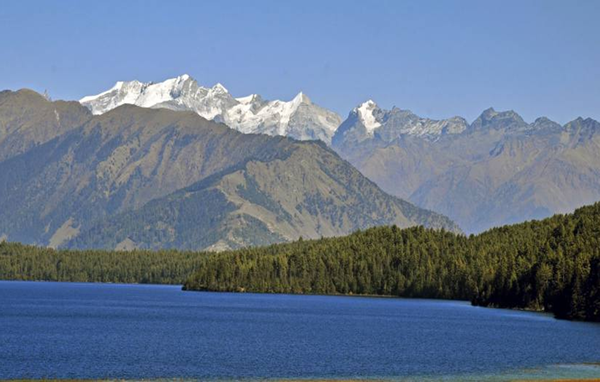
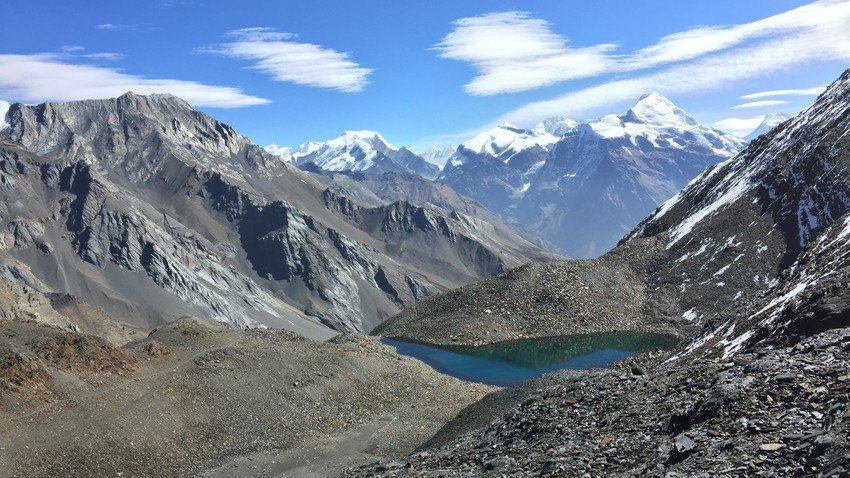
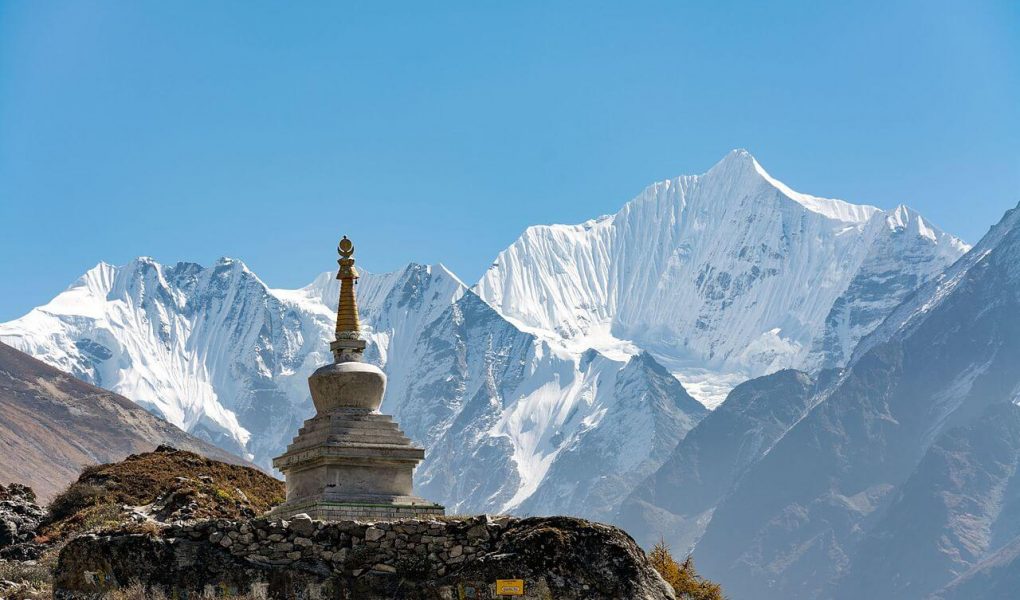
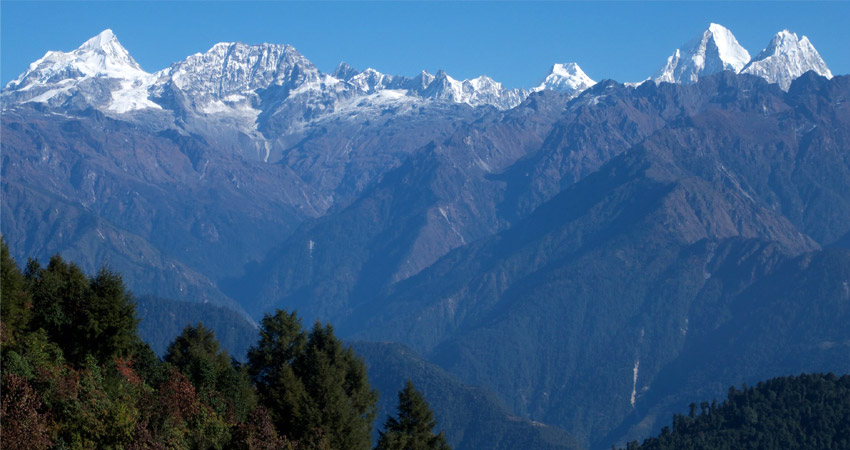
About Ganja La Pass: Situated at an elevation of 5,130 meters, the Ganja La Pass is a breath-taking gateway connecting the popular Langtang Valley with the culturally rich Helambu region. As one of the premier vantage points for 360-degree views of the Langtang and Jugal Himalayan ranges, it offers trekkers a front-row seat to pristine valleys and untouched nature. Due to its high altitude, the pass is perpetually covered in snow.
This trek is one of Nepal’s most challenging and rewarding "off-the-beaten-path" adventures. It offers a unique "hybrid" experience: while the Langtang and Helambu regions are known for their accessible trails and comfortable lodging accommodation and tea houses.
The three-day crossing of the pass itself is entirely uninhabited. With no lodges available in this section, a fully supported tented camp is required, providing a raw and authentic high-alpine wilderness experience.
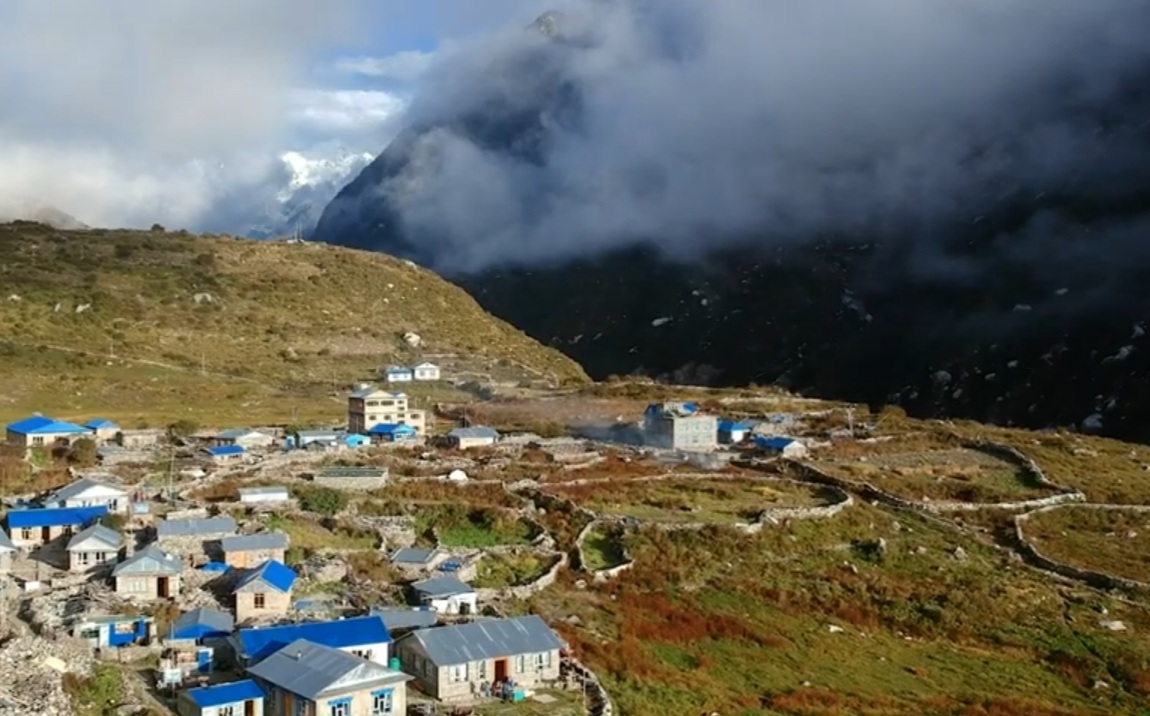
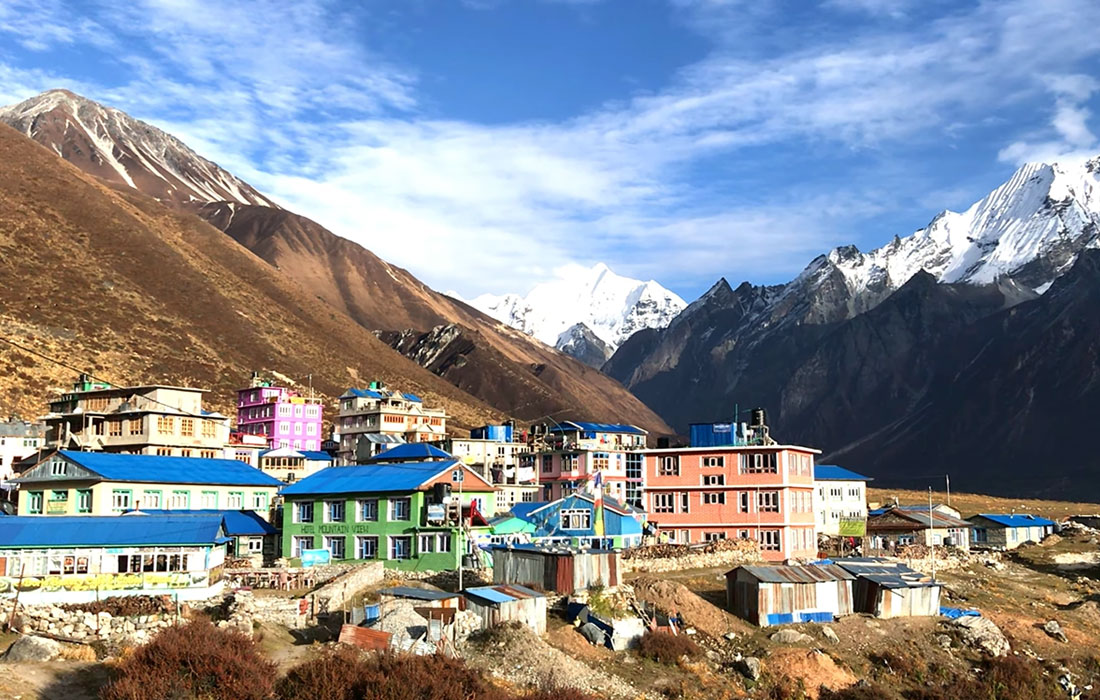
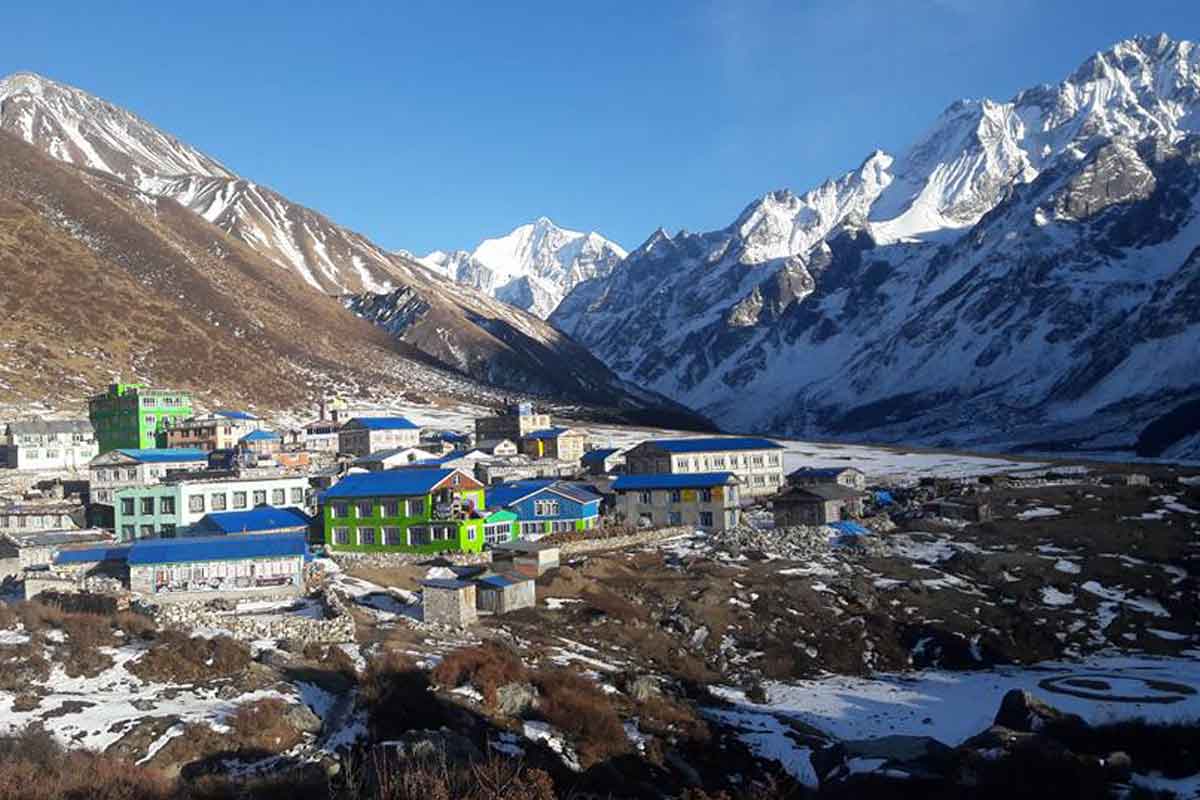
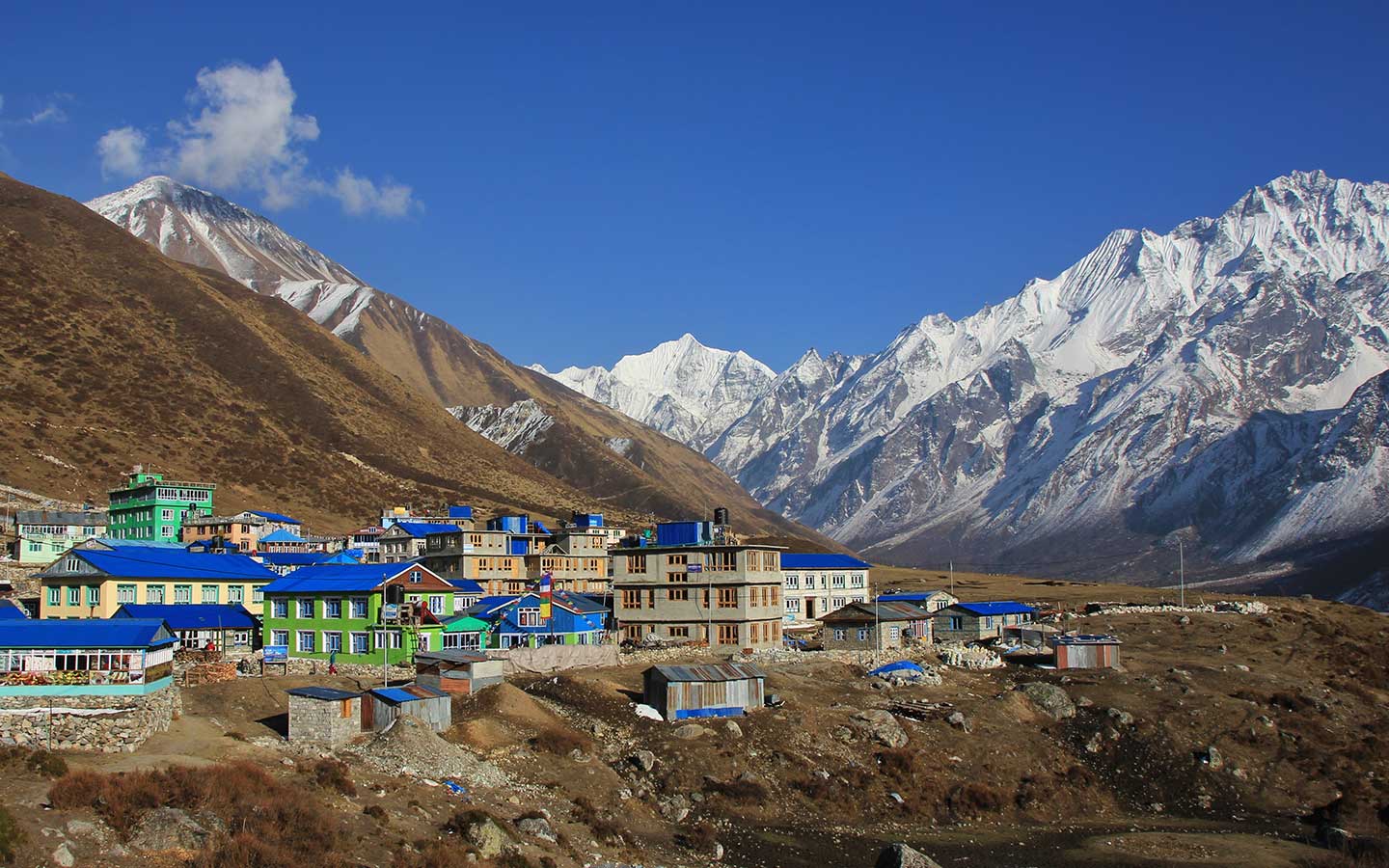 About Langtang valley: The Langtang Valley Trek is often called the "hidden gem" of Nepal. It’s the closest Himalayan trekking region to Kathmandu, making it incredibly accessible, yet it remains significantly less crowded and less expensive than the Mt. Everest Khumbu or Annapurna circuits.
Since the 2015 earthquake, the valley has seen a remarkable recovery. Recent days it stands as a symbol of resilience, with newly built, earthquake-resistant teahouses and well-maintained trails that offer a mix of high-altitude drama and deep Tamang culture.
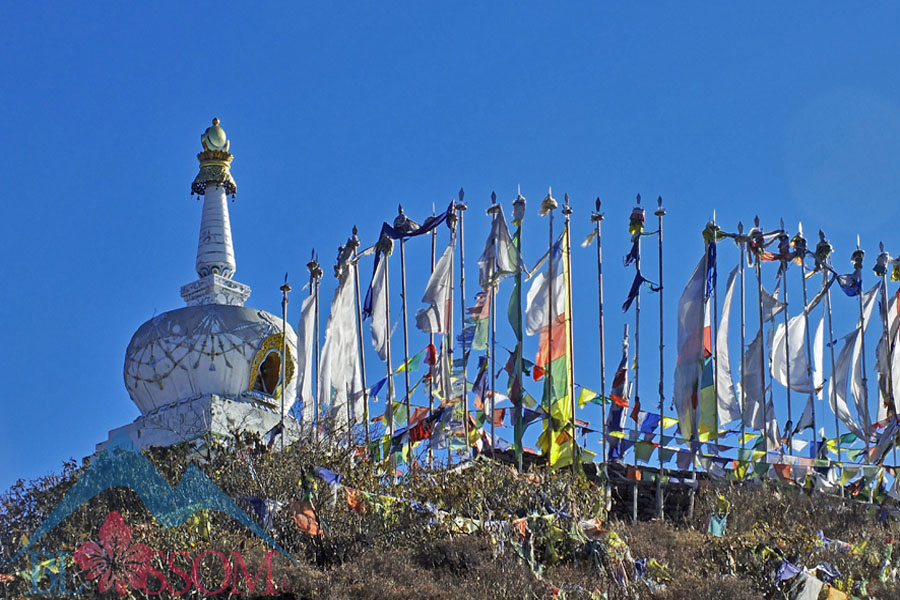
Cultural Immersion: Direct interaction with the Tamang and Bhotia communities, whose traditions are closely tied to Tibetan Buddhism.
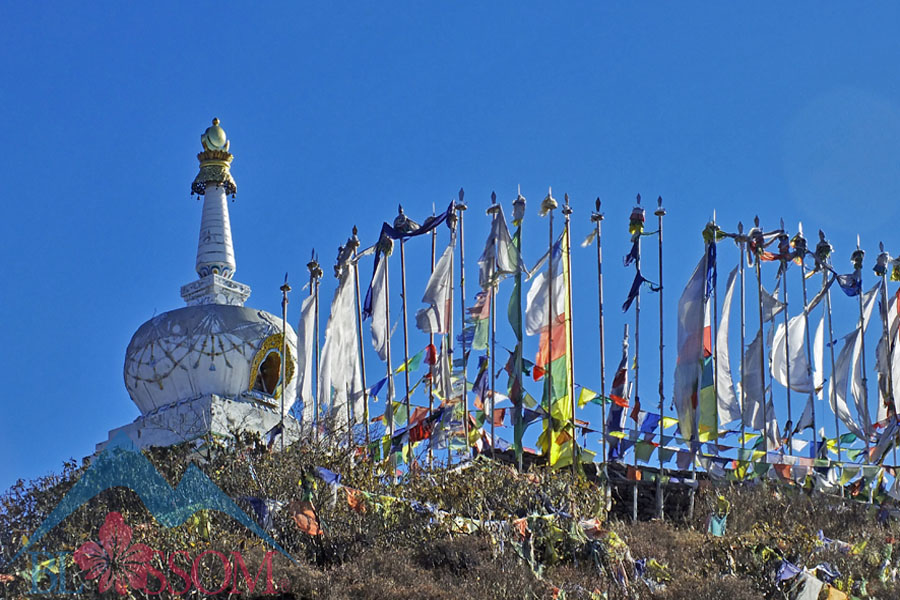
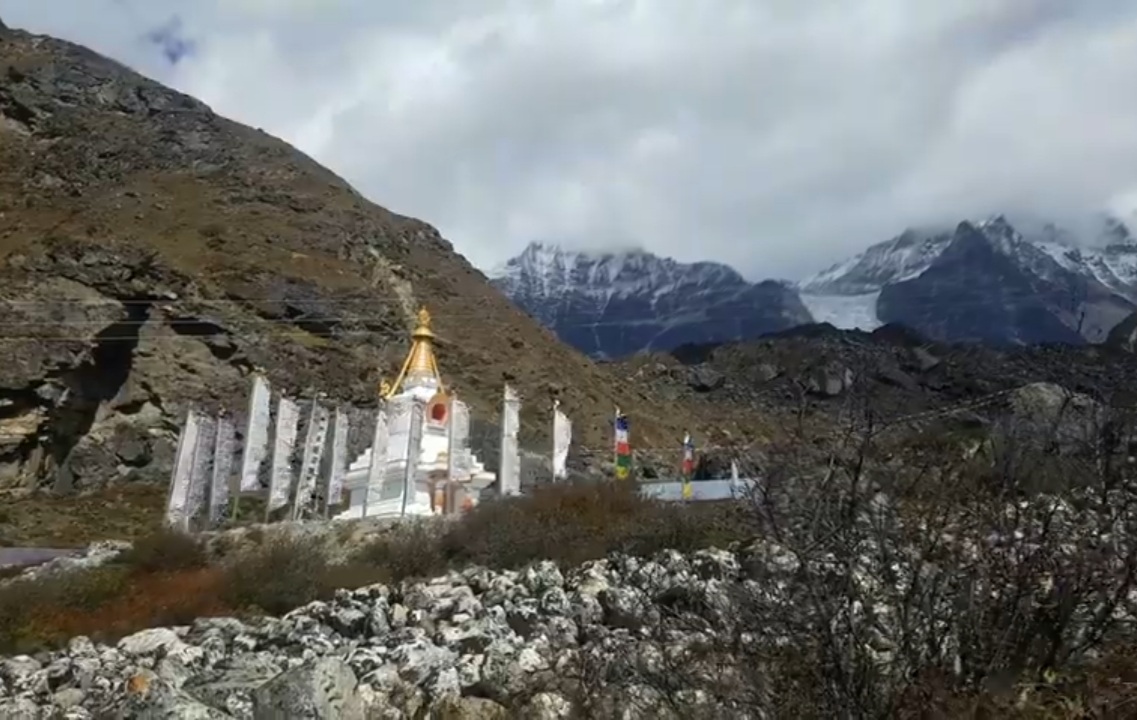
The Kyanjin Gompa: A spiritual hub at 3,870m with an 800-year-old monastery and a famous yak cheese factory.
About Helambu: The Helambu region trek is one of the most accessible and culturally rich trekking experiences in Nepal. Located just north of Kathmandu, it’s a fantastic choice if you want the Himalayan experience without the logistical headache of long domestic flights or high-altitude risks.
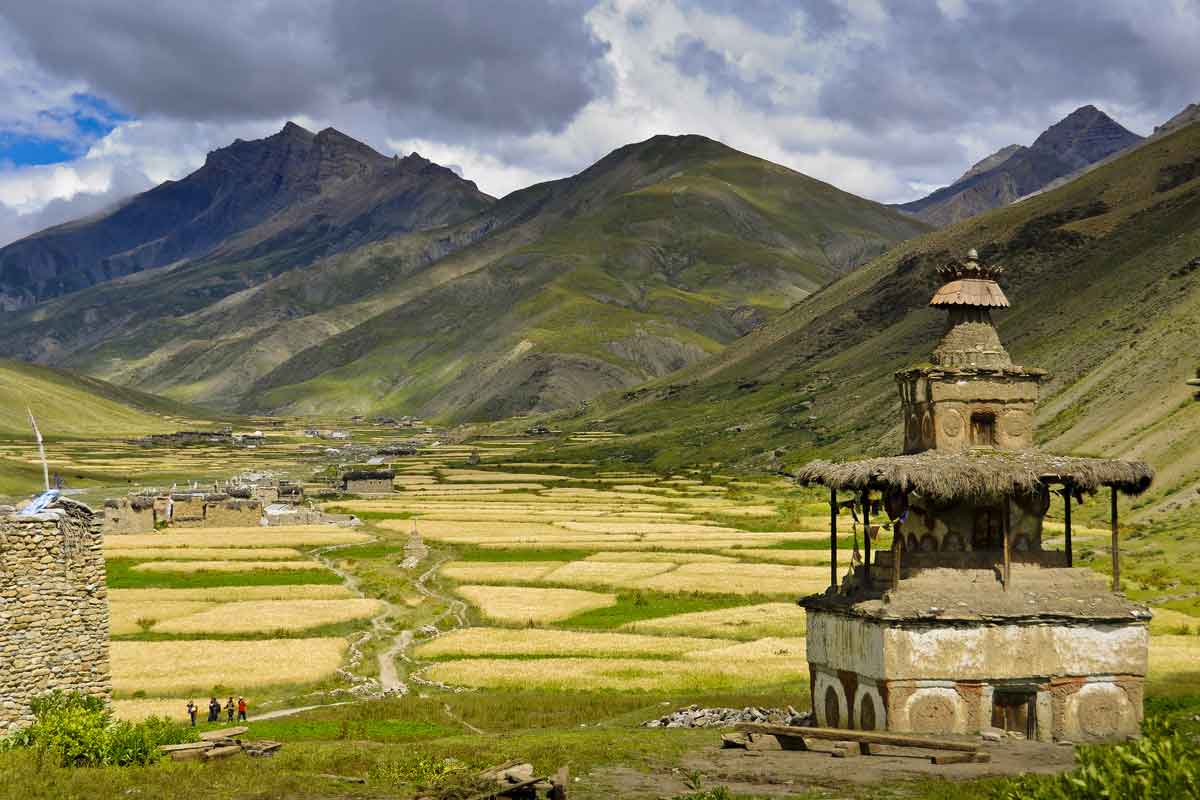
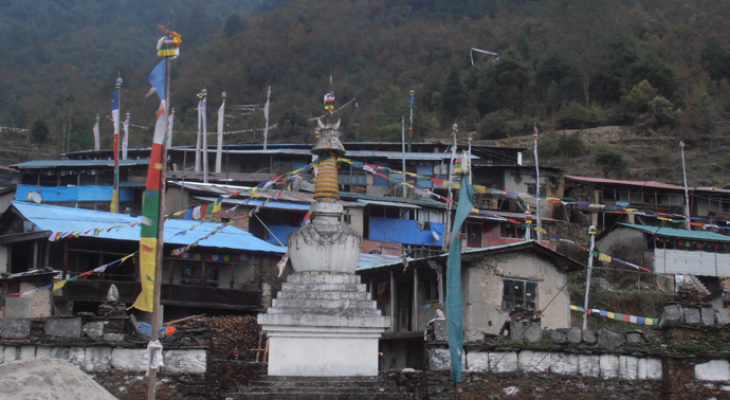
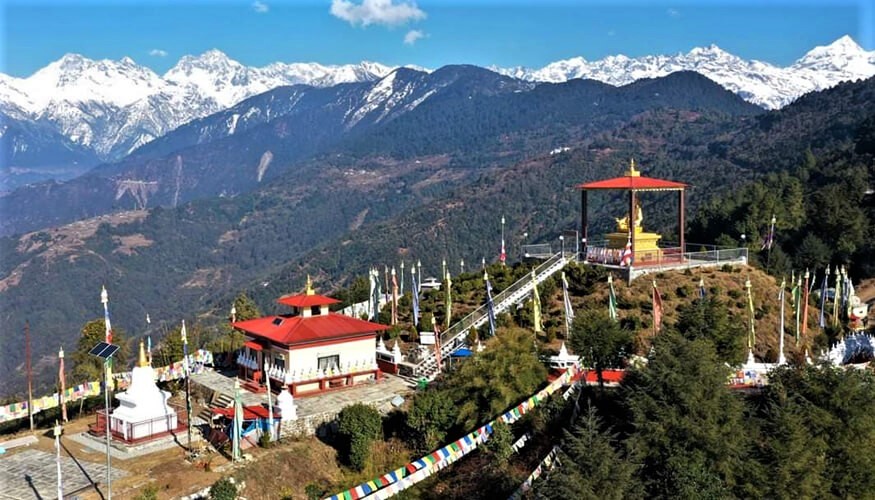
Helambu is famous for its Buddhist monasteries and the distinct lifestyle of the Hyolmo people. The villages, such as Tarke Ghyang, Melamchi and Sermathang villages are looks beautiful well decorated and clean.
Helambu experience: In my experience, Helambu stands apart from other mountain regions in Nepal. The local houses are exceptionally clean, well-decorated, and 'tiptop.' The people are cheerful, friendly, and show great mutual respect. Many Hyolmo homes have beautiful, hand-painted Buddhist altars (Chhosum) inside.
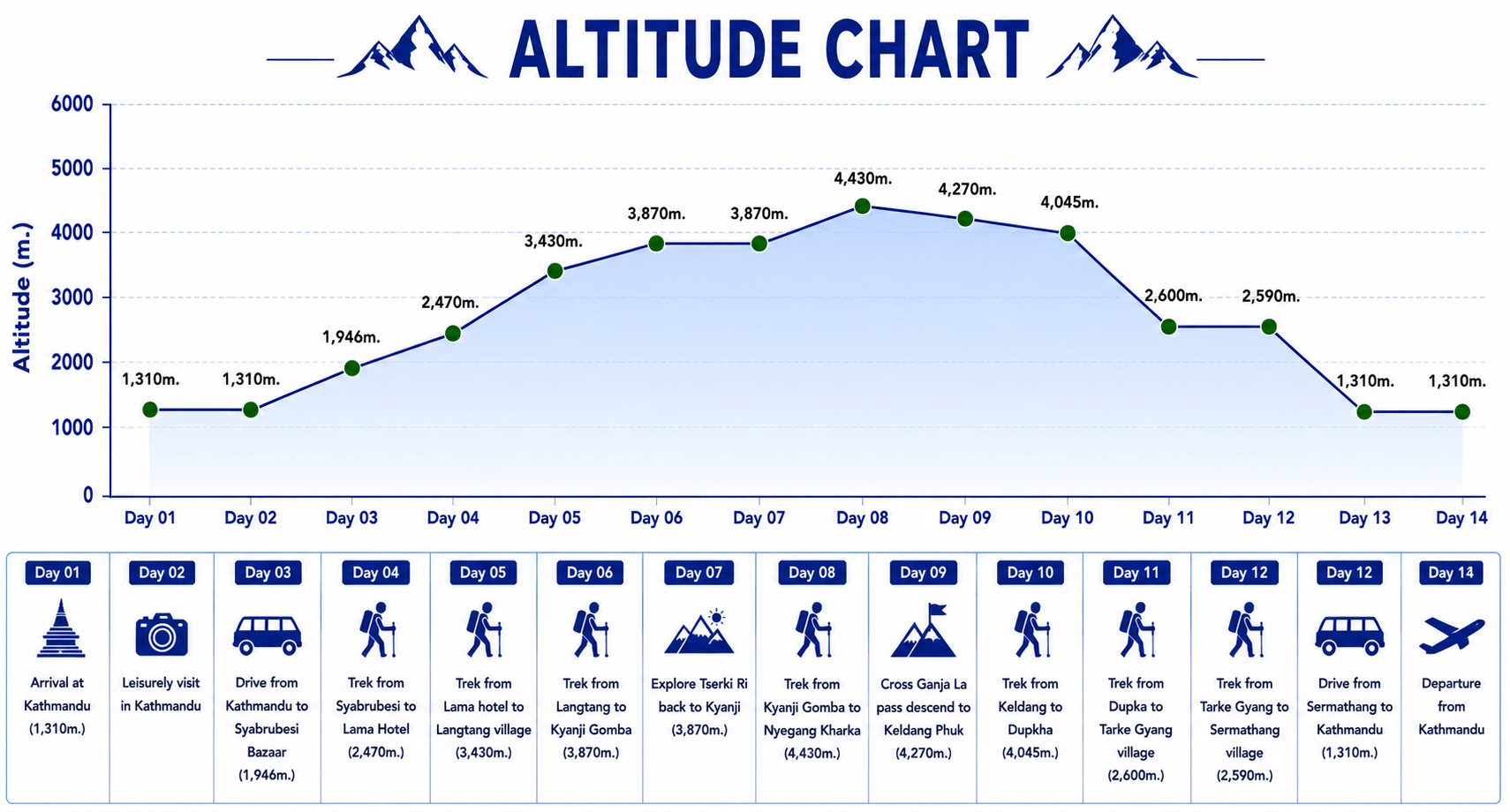
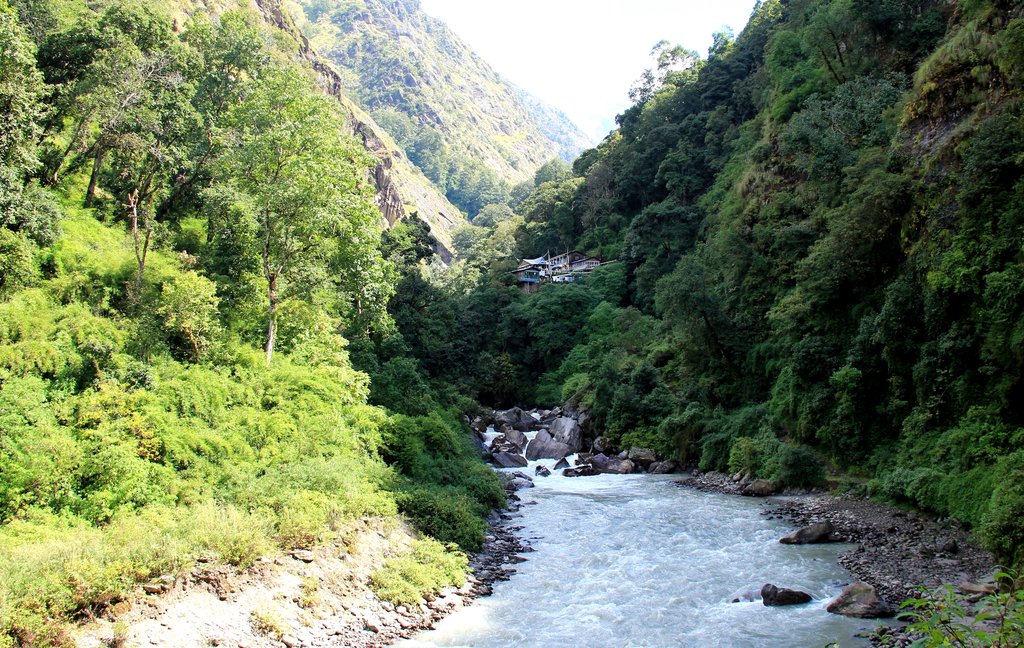
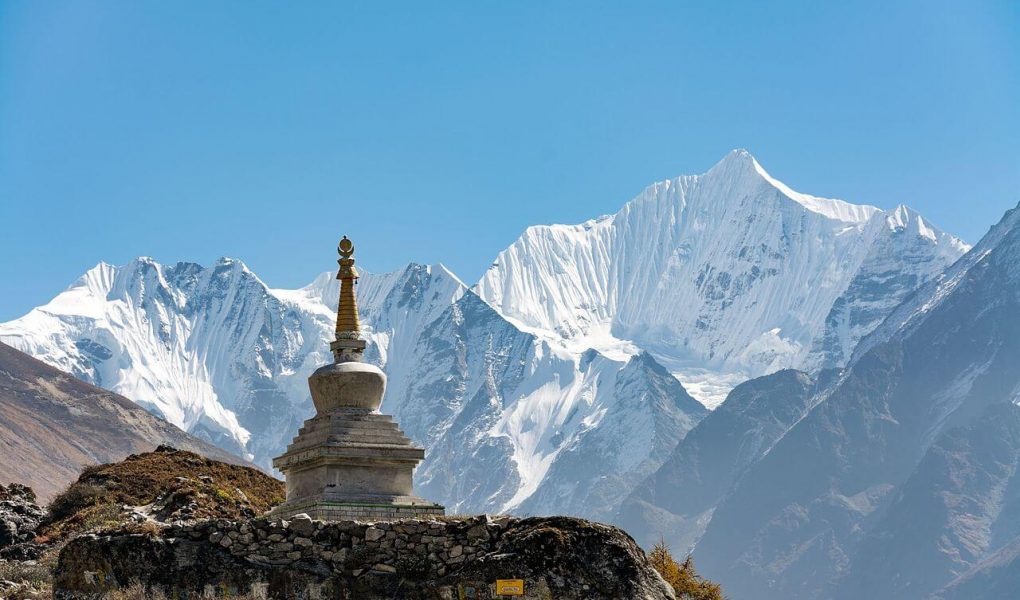 During 14-day trip, you will stay two nights in Kathmandu. On the third morning, drive with your trekking guide and porters to Grang village, same day short trek to Thulo Syabru. Next morning trek continue follow Langtang River Lama hotel, Langtang village to Kyanji Gompa. Along this section, you will stay in well-established teahouses and lodges offering warm meals and comfortable rest.
To ensure proper acclimatization, we follow the "climb high, sleep low" principle. From Kyanjin Gompa, you can hike to the summits of Kyanjin Ri (4,773m) or Tserko Ri (4,984m) for spectacular, panoramic views of the surrounding peaks. Next morning an easy trek ascend to Nyegang kharka. (not any more lodges) From Nyegang you will spend three night tented camping trek, ascent to Ganja La pass (alt. 5,130m.) which is the highest elevation for this trip.
The ascent to the Ganja La Pass and the subsequent descent to Dhukpa Phuk is a thrilling adventure filled with stunning views. From the pass descend to Helambu Tarkegyang village for ward lodge accommodation. The three-days stretch from Kyanjin Gompa to Tarke Ghyang village in Helambu offers a true escape from the crowds. This section is remarkably peaceful, allowing you to immerse yourself in the silence of nature.
After Tarkegyang village, short and easy trek to sermathang next morning drive back to Kathmandu, for your final two nights before taking your flight to home on the 14th day.
Himalayan panorama: The Himalayan vistas become consistently breath-taking as you gain elevation. Once you pass through Ghora Tabela, the forest canopy thins, allowing the expansive mountain scenery to truly reveal itself.
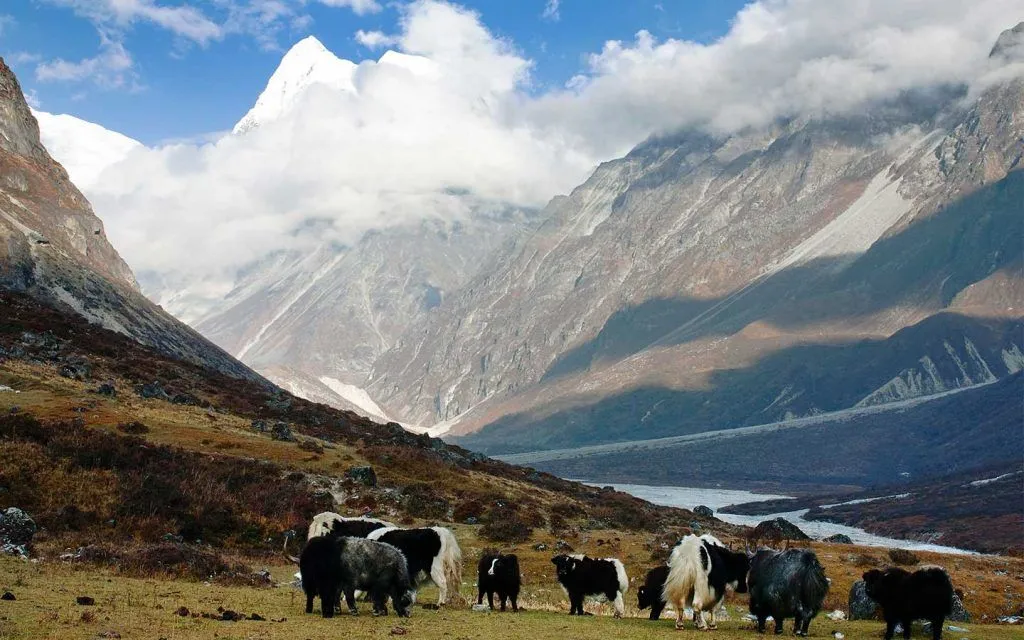
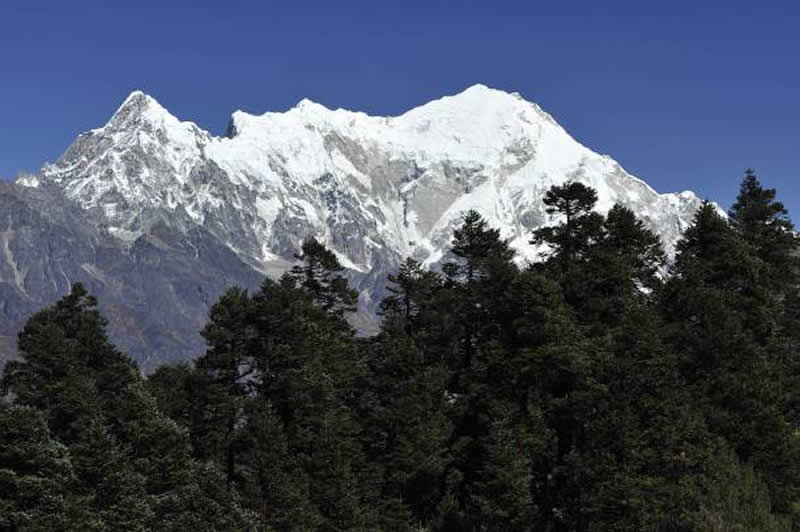
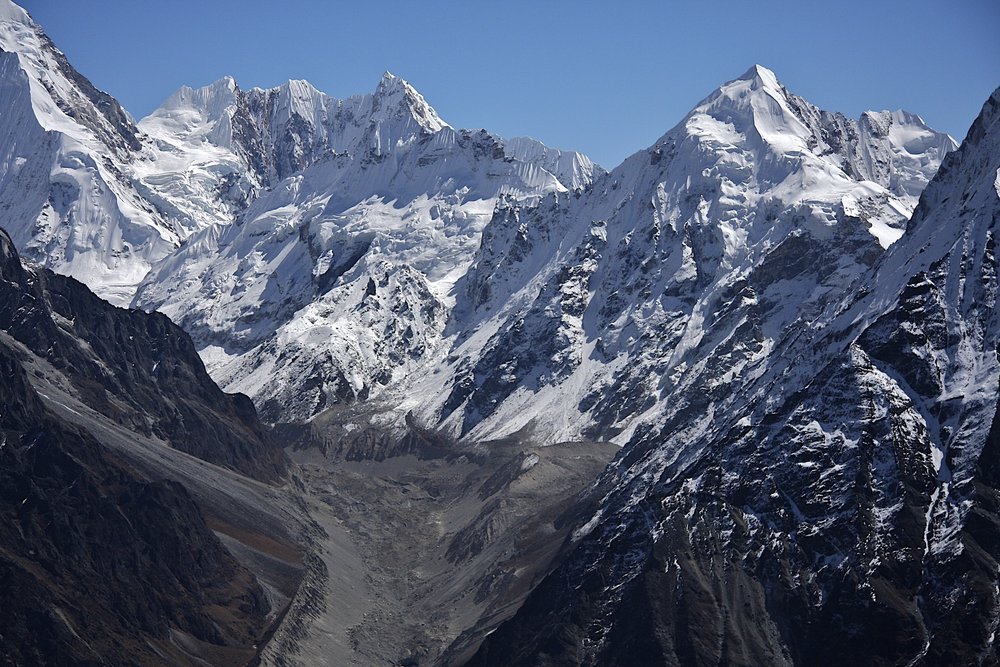
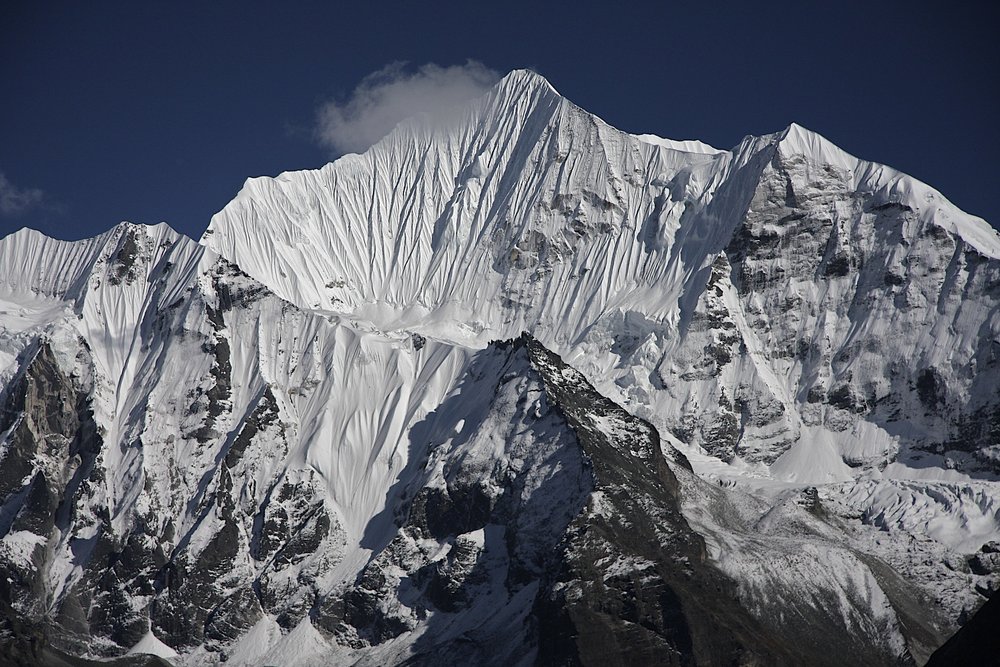
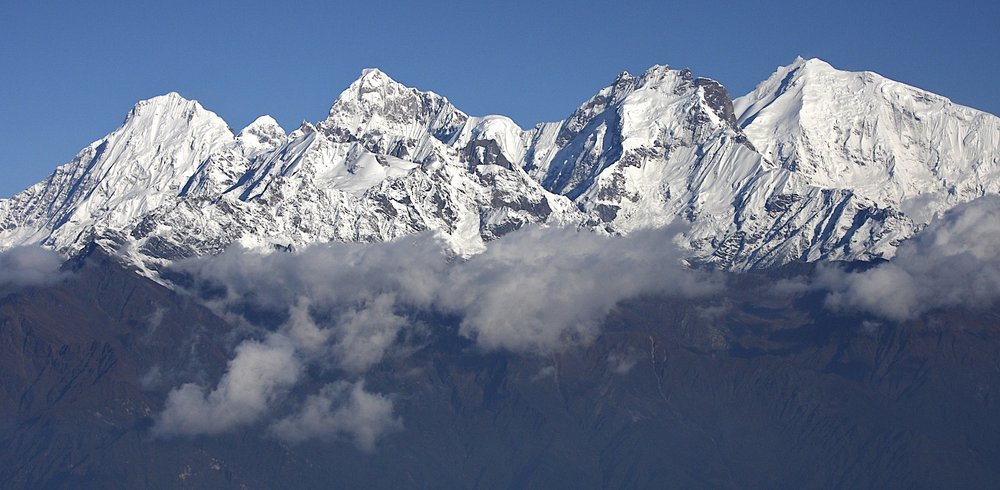
From Langtang Village, you are treated to a front-row seat of the massive Langtang Lirung (7,227m) as it towers directly overhead. Throughout the trek, several other majestic sub-8,000m peaks frame the horizon, providing a dramatic and constant backdrop to your journey. For the ultimate perspective, the summit of Tserko Ri offers a spectacular, 360-degree panorama of the entire Himalayan range.
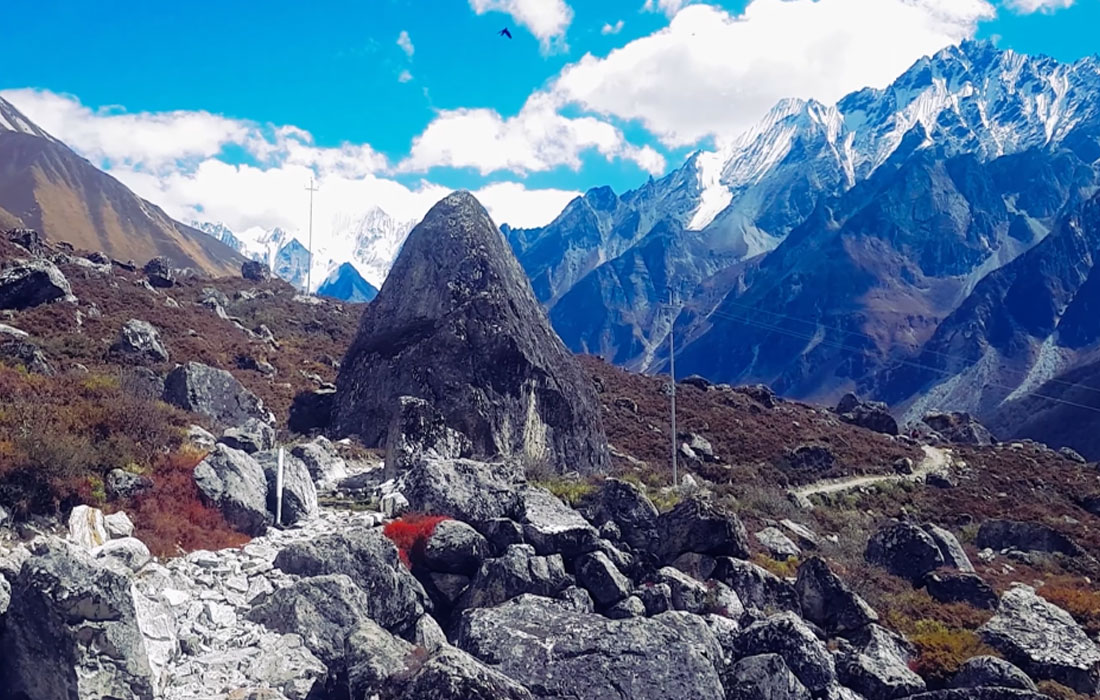
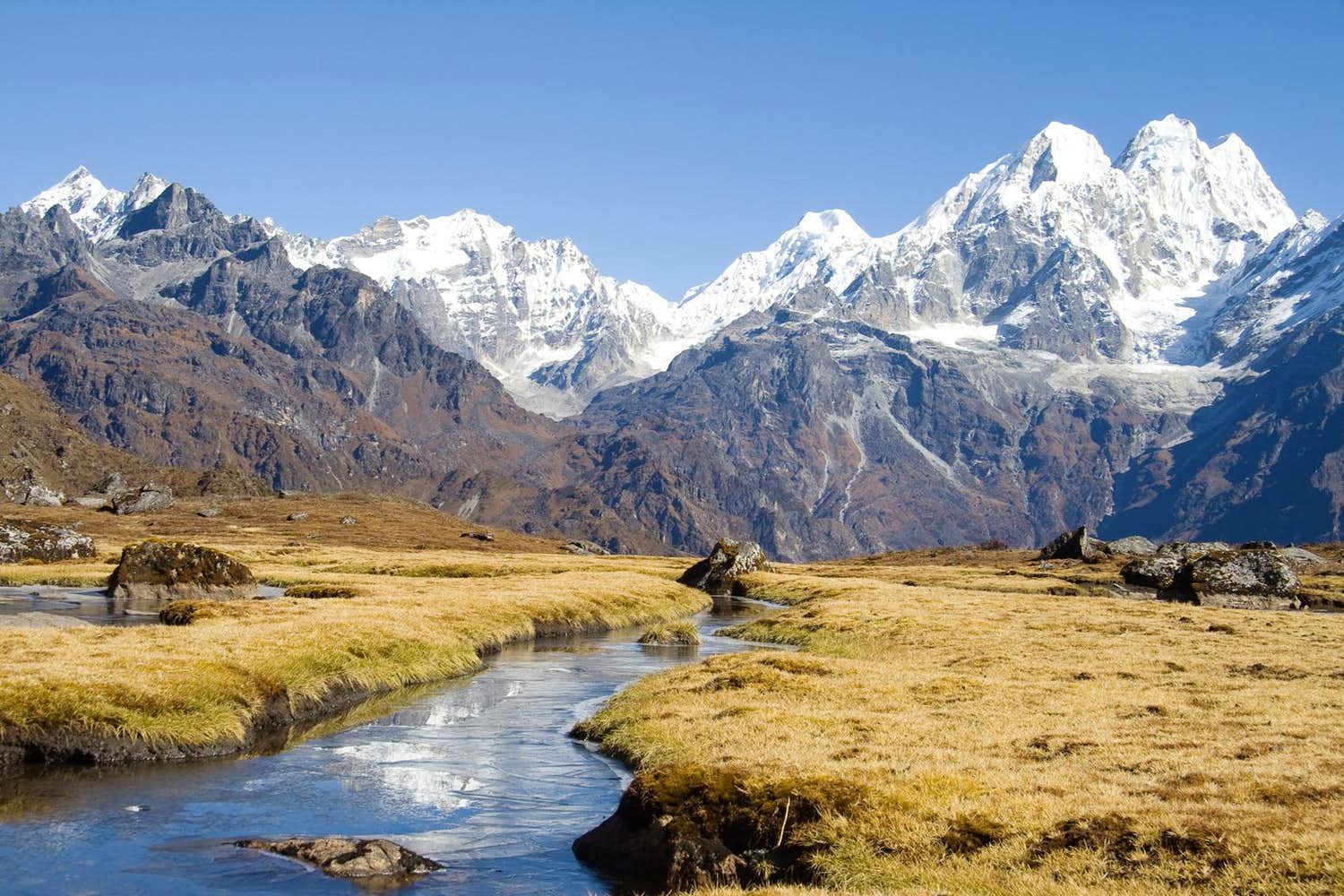
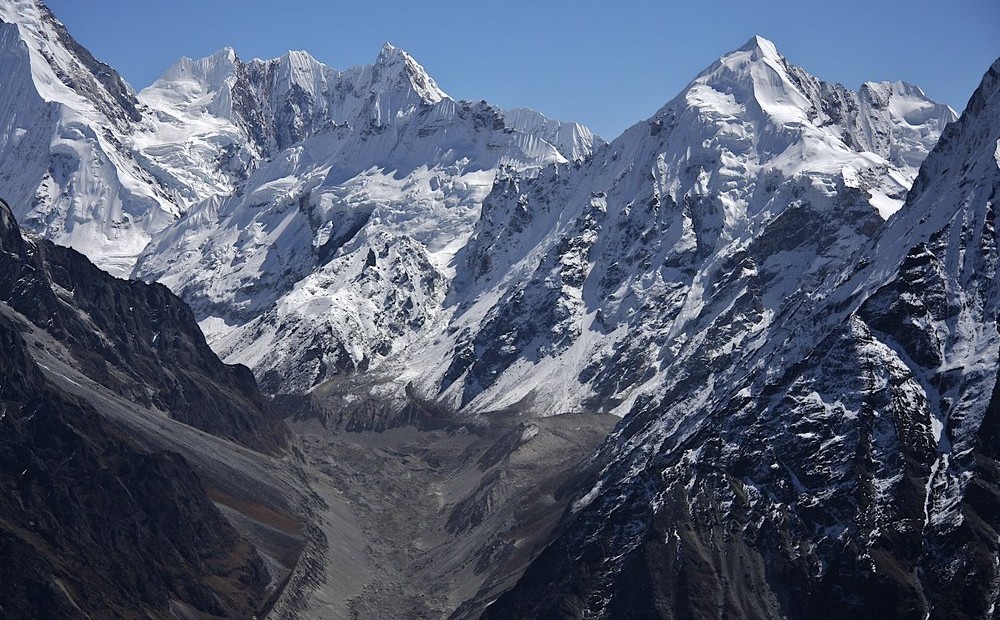 Panorama from Ganja La: If the weather permits, Ganja La Pass offers intimate and spectacular views of both the Langtang and Jugal Himalayan ranges. From this vantage point, you can look down into the Helambu region, where deep, beautiful valleys stretch out beneath the towering peaks.
An authentic tented experience: The Ganja La Pass remains wonderfully untouched by modern tourism; you won’t find luxury lodges or fine dining in these remote heights. To truly embrace the spirit of the Himalayas without sacrificing comfort, a fully serviced tented camp is the premier way to experience this wilderness.
We provide a full camping trek service for three nights between Kyanjin Gompa and Tarke Gyang while crossing the pass, where no tea houses or lodges are available.
Lodging at Langtang and Helambu: We provide lodging throughout the Langtang valley, as well as in the Helambu region (Tarke Gyang and Sermathang) as itinerary where tourist-standard lodges are available.
Note: See below for an overview of the 16-day Langtang - Gosaikunda journey. For complete details on Kathmandu hotels, trekking routes, elevation, walking times, meals, and accommodations, refer to the "Day-by-Day Itinerary" at the bottom of this page.
Note: For high-altitude sickness, safety, and rescue information, visit our link at: high altitude sickness - safety and rescue service
Permits and other: For Langtang / Ganja La pass / Helambu region, not required a trekking permit, you need Langtang and Shiva puri National Park, entry permit and a TIMS card (Trekkers' Information Management System).
We will handle the arrangement of these for you. Local government Municipality entry fees will be managed and arranged by your trekking guide on the spot.
To process TIMS card required in advance, please send us by email:
• A recent passport-size photograph.
• Your passport, photo copy (valid for a minimum of six months).
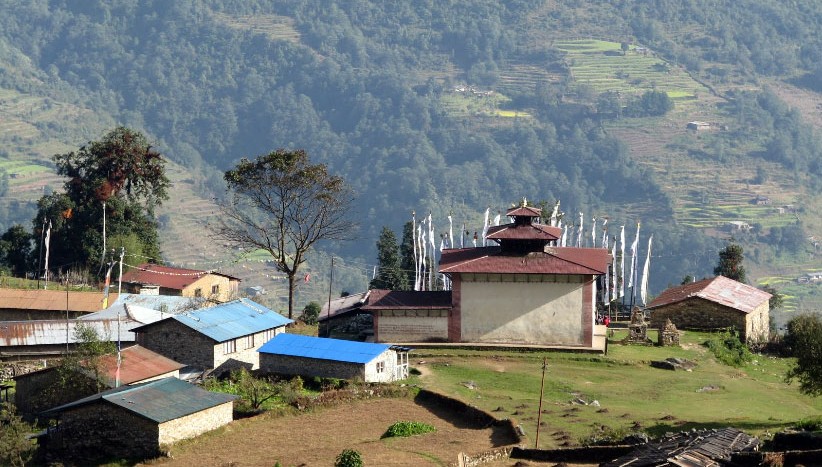 Lodging during the trek: At Langtang and Helambu regions, there are several small hotels lodges and restaurants are available. During your journey, you will stay in charming local hotel or lodges on a bed-and-breakfast basis. While mountain facilities are simpler than those in Kathmandu, they offer cozy atmosphere and the legendary warmth of Himalayan hospitality.
Daily meals during the lodging trek: Each lodge or small restaurant you will get vegetarian or non veg. dishes, different kinds of breakfast set, lunch and dinner. Authentic Nepalese Dal Bhat, Tarkari, chapati, Tibetan breads, momos, Stew, pasta, noodles, local pizza, several items of fresh organic vegetables, potatoes, meats, eggs, soups, hot and cold drinks, which you can check at menu. Your guide will assist in arranging delicious lunches and dinners daily.
Three nights tented camping: For the Ganja La pass three nights tented camping trek, we provide two man sharing double tents or single supplement high altitude tents with double (Foam + waterproof) mattresses, dining tent, kitchen tent with kitchen utensils, toilet tent, staff and porter’s tent. High altitude equipment for the staff and porters.
Meals during the camping trek: A separate kitchen tent is fully equipped with all necessary utensils and hygienic food preparation utensils. Our kitchen staff will prepare fresh meals (breakfast, lunch, and dinner) for you every day. We will also provide a packed lunch with hot juice for crossing Ganja La.
Heating system at high elevation: There is no heating in the bedrooms. The only warm place in the entire lodge will be the communal dining hall, where a central pot-bellied stove (usually fuelled by dried yak dung or wood) is lit in the evenings.
During the tented camping trek, we will provide a hot water bag for your tent to keep you warm if necessary.
Battery Charging: In the Langtang - Helambu region, most lodges have electricity, allowing you to charge your mobile phone, camera, and power bank. During the tented camping trek, you have to charge by power bank if necessary.
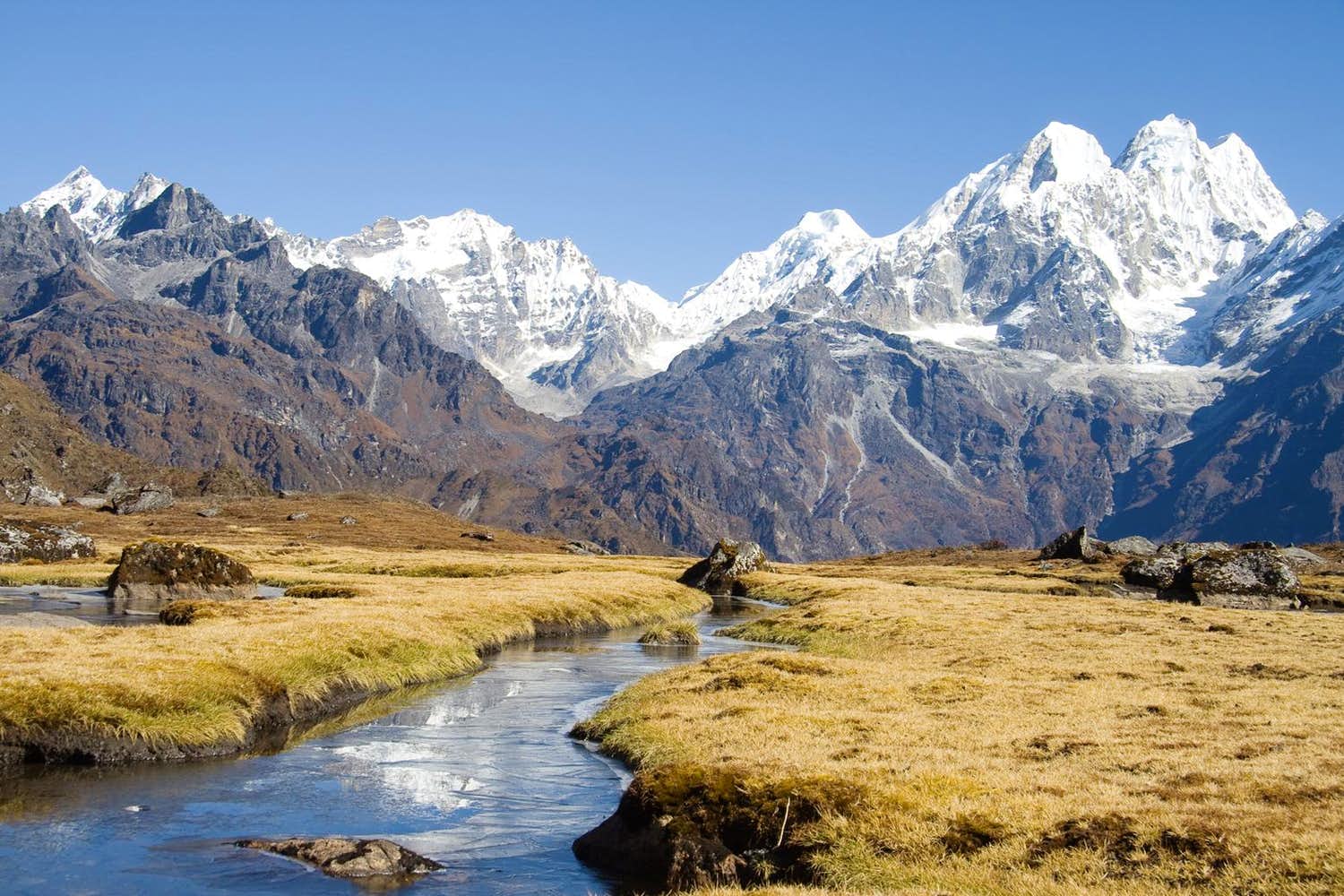 Trekking Crew: To cross the Ganja La Pass, we provide a complete trekking team, including an experienced guide who has completed this route before. For groups of above five or more, the crew includes a cook, kitchen helpers, Sherpa assistants, and porters.
For groups of less than five, the trek is supported by a guide, a Sherpa assistant, and a few porters. Our entire Nepali team is highly experienced and works seamlessly together-even at altitudes above 4,000 meters, to ensure you have a safe and worry-free journey.
Ground Transportation: We provide reliable private transportation, including cars, jeeps, and vans as your group size for airport pickup / drop transfers to hotel and travel to and from trekking starting points.
While public transport is available, it involves frequent stops, takes significantly longer, and can be crowded and noisy, choosing private transport saves time and avoids the hassle of traveling on packed local routes.
We provide privet vehicle drive from Kathmandu to Syabrubesi before trek and Sermathang to Kathmandu after trek.
Note: For trekking seasons and weather information, visit our link at: Trekking seasons and weather
Life on the trail follows a peaceful, structured rhythm designed to keep you energized and immersed in the landscape.
 Morning - A gentle start: Your day begins with a "knock" on your tent as our staff brings you a hot drink (tea or coffee) after 10 minutes a bowl of warm washing water to freshen up.
After freshen up, you have to pack your equipment in duffel bag for the day’s journey. While you enjoy your morning fresh breakfast, with diffrent hot drinks served in the dining tent, where you can eat while soaking in the scenic mountain panorama.
Daytime - exploration and lunch: As you trek, you can move at a peaceful pace, taking photos and visiting local villages, ancient monasteries, or schools alongside your guide. Between 11:00 and 13:00, we stop for a freshly prepared warm lunch and hot drinks. After lunch, we take about an hour to rest and digest before continuing the afternoon portion of the trek.
Afternoon - arrival and relaxation: Upon arriving at the campsite, you will find your tent already set up with your mattress and luggage placed inside. After freshening up with warm water, you can head to the dining tent for "afternoon tea" relaxing with hot drinks, biscuits, and cheese while sharing stories of the day.
Evening - dinner and briefing: Our cook prepares a multi-course fresh meal starting with warm soup, followed by at least five different local and international dishes. During dinner, your guide will check in with you about your day and provide a detailed briefing for the next morning’s program.
For this high elevation trek, we suggest you take along with you: Trekking boots, light shoes / trainers, woollen socks (x 3) woollen caps, warm hand gloves, warm or fibre pile jacket, down jacket, windproof jacket & trouser, fleece or sweater, shirts (x 2), long and short trekking trousers (and /or long skirt for women), waterproof poncho or umbrella, sun hat, (3x) underwear etc.
 Other essential items: Kitbag and padlock, small rucksack, water bottle (1 litre capacity), head torch, personal first aid, sun and snow glasses, sun cream (factor 15+) & lip slave, towel & wash kit, whistle, passport, passport-size photographs, plastic bags, money belt and crampons.
Optional: Camera (with high-capacity memory cards and extra batteries), trekking poles / walking sticks, binoculars, notebook, pen etc.
Sleeping Bag: We strongly recommend a down sleeping bag rated to at least -20°C, along with a silk or fleece inner liner for extra warmth. If you do not have your own, high-quality sleeping bag you can rent or purchase in Kathmandu to suit your size.
We are a team of experienced Sherpas who have been leading Himalayan treks and expeditions for many years. Trekkers from all over the globe trust us and return year after year for another trek or expedition.
• In Kathmandu, there are many trekking agencies: some charge high prices without delivering quality service, while others offer low rates but lack experience and support. Regardless of the cost, the mountain views remain the same. But the quality of service that makes all the difference.
• We offer reasonable prices and ‘top-tier’ service across every aspect of your journey without compromise. That is why our clients keep coming back to trek with us again and again.
• When you trek with our team, your investment does more than just book a trip-it ensures a seamless, high-quality experience defined by a warm, family-like atmosphere and total peace of mind.
 • While some trekkers explore the Himalayas independently to save money, they often overlook a critical question: "If something goes wrong, what is the plan?"
Trekking in Nepal is vastly different from hiking in Western countries. The landscapes are rugged, conditions are extreme, and weather can change in an instant.
In wilderness, unexpected challenges - from different sickness to sudden weather change can arise at any moment. Without professional support, these situations can quickly become dangerous. We provide the essential safety net and emergency logistics required to keep you safe.
Stress-Free Logistics: We manage every detail, from your arrival to your departure, so you never have to worry about the "what ifs." Your journey with us isn’t just a holiday; it’s a commitment to quality, safety, and an unforgettable experience on the trail.
Tips for trekking staff: Tipping is a customary way to appreciate your team's hard work and dedication in helping you reach your goal. You may tip as much as you wish. However, if you are not satisfied with their service, tipping is not necessary.
This trek is designed for anyone who is physically fit, healthy, and passionate about exploring the high Himalayas. We warmly welcome adventurers between the ages of 16 to 70 can join us with confidence. Whether you are traveling with a group of friends, as a family, a senior traveller, a photographer, or a solo explorer with a guide, this journey is for you.
Immersing yourself in this pristine, organic Himalayan environment is a life-changing experience. It is proven to leave you feeling energized, happy, and stress-free-filling your life with sweet, unforgettable memories.
 Preparation and Support: You are never alone in your journey. We provide comprehensive information and a full briefing in Kathmandu before you set off. Once on the trail, your guide will provide clear, day-by-day explanations of the plan to ensure you are always informed, comfortable, and safe.
Get in touch: The trekking regions mentioned here are just the beginning. For more information regarding trekking seasons, exact durations, and a competitive, reasonable cost for your group (large or small), please contact us directly.
We pride ourselves on providing a service that is faster, more personal, and more reliable than the rest. We will reply to your email within 24 hours.
Contact us via:
Email: hellokirken@gmail.com
WhatsApp / Messenger: Kirken Sherpa +43 664 55155 46
Direct Call: +43 664 55155 46 / +977 970 5843 789
"Thank you for choosing ''Ganja La pass'' trek and for being a part of our team. We look forward to trekking with you!"
3nights in Kathmandu at 3-Star hotel with bed & breakfast on twin sharing basis.
10 nights Lodging and camping trek all the meals (breakfast- lunch - dinner) with hot drinks.
❌ Main meals (lunch + dinner) and drinks in Kathmandu.
❌ Personal expenses alcoholic beverages, drinks, laundry services and hot shower.
❌ Medical and travel insurance for the trekkers.
❌ Emergency helicopter rescue charges for the trekkers if necessary.
❌ International airfare (flight ticket) and taxes.
❌ Any kinds of visa for Nepal.
❌ Tips for trekking staffs.
Warm Welcome: Upon your arrival at the Tribhuvan international airport, Our representative will meet you at the airport terminal with a personalized sign, handling your luggage, welcome you with colourful flowers, drive to star hotel as your booking. Upon arrival at your hotel, you will be served a refreshing welcome drink at reception while our team assists with your check-in.
First Evening & Briefing: In the evening, you can enjoy dinner at your hotel or a local restaurant. During this time, our Tour Manager will conduct a comprehensive briefing, covering your trekking itinerary, safety protocols, and any other essential information for your upcoming adventure.
 3-star hotel as your booking at Kathmandu.



Himalayan Experience Trek welcomes you to Nepal, the land of Himalaya, where we can offer a variety of experiences to make your holidays a truly memorable one in Nepal, India and Tibet, especially adventure trip, remote mountains region of Nepal.
 Breakfast + lunch + dinner with hot drinks.
  Approx. 5 to 6 hours.
 Approx. 4 to 5 hours.
 Breakfast + Lunch and dinner with hot drinks.
  Approx. 3 to 4 hours.