img

21 days Tsum valley Ganesh Himal:

Price: EUR 2155

21 days Tsum valley Ganesh Himal:


Dear trekkers,
Namaste!
A warm welcome to trekkers from every corner of the globe. We are delighted to invite you on a breath-taking journey through the Tsum valley region. Experience the serenity of a moderate camping trek through untouched nature and pristine mountain landscapes.

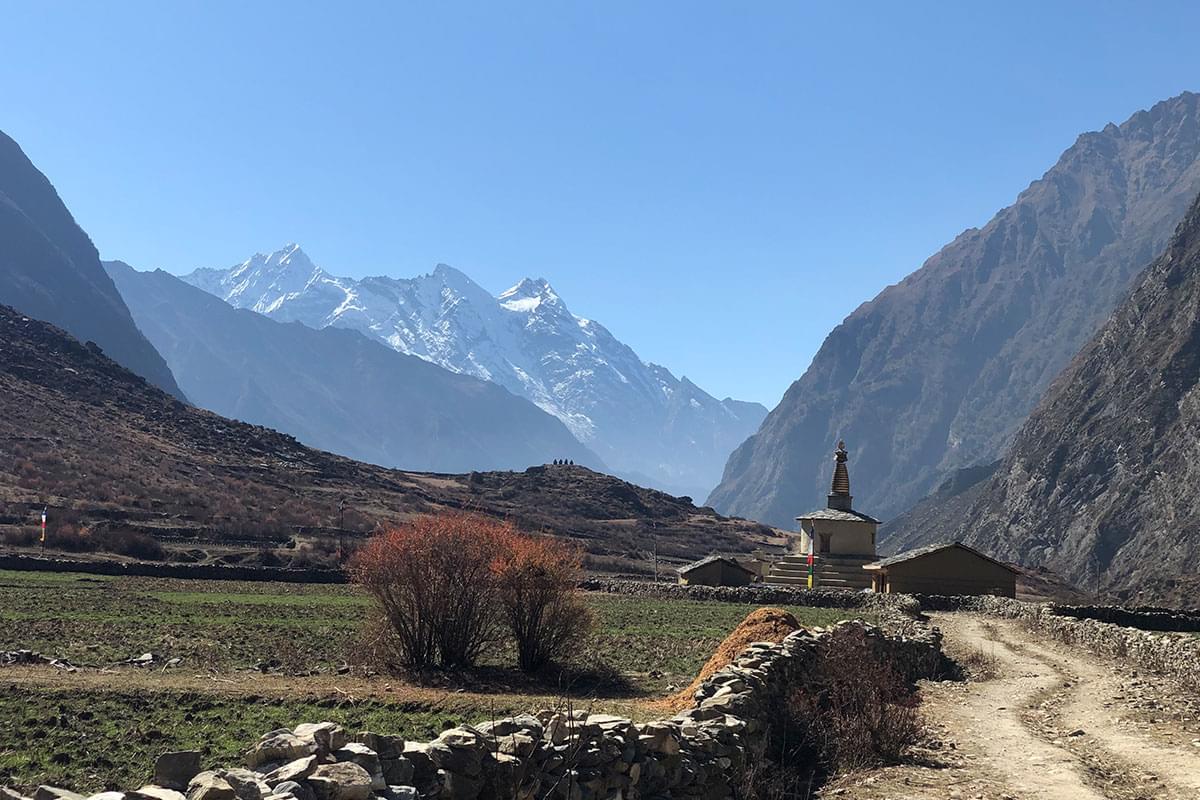
About Tsum valley trek: The Tsum Valley trek is a recently opened route situated between the Ganesh Himal and the Shringi Himalayan ranges. Located in the Manaslu region along the Siyar Khola valley near the Tibetan border, it remains a remote sanctuary where travelers encounter very few fellow trekkers.

Journey Highlights: After the motor road ends, the trek begins at Machha Khola (869m), passing through several traditional villages. Chhule and Nile are the final settlements in the Tsum Valley before reaching the majestic Mu Gompa monastery. While the nearby route to the Tibet-Kyirong border is restricted for tourist open only for local residents, trekkers can spend their time exploring the Takar Taso region-a wide, stunning valley famous for its ancient, giant juniper trees.

First day trek, starting from Machha Khola, you will follow the main Manaslu Circuit route for two days, which can be quite busy with other trekkers. The paths diverge at Ekle Batti: while the Manaslu Circuit crosses the Budhi Gandaki River to the left, the Tsum Valley trail continues along the Siyar Khola toward Mu Gompa and Takar Taso.

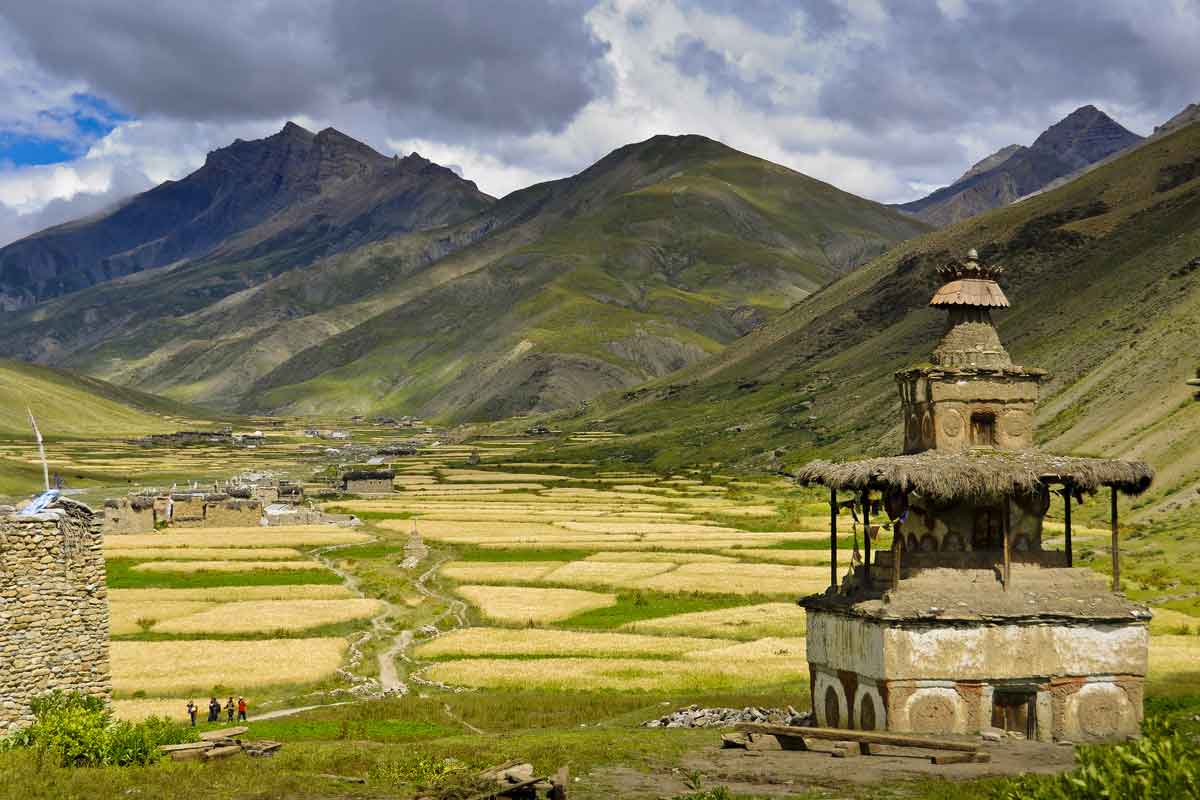
Once you pass Chhokang Paro (Chekampar), the landscape undergoes an unbelievable transformation into a wide, lush valley filled with beautiful villages and traditional farms. In the Tsum Valley, hunting and the killing of animals are strictly prohibited by ancient tradition. Because of this sanctuary, you can see yaks, horses, and cattle grazing peacefully alongside wildlife like Himalayan Tahr and musk deer. The region is also home to several historic monasteries where you can meet and learn from the local Lamas and Anis (nuns).

Seasonal Beauty: If you trek during the spring, the forests of the Tsum Valley explode with the vibrant reds and pinks of blooming Himalayan rhododendrons. Along the way, you’ll also witness high-altitude pastures were yaks graze peacefully."

The Authentic Tented Experience: The Tsum Valley remains wonderfully untouched by modern tourism; you won’t find luxury lodges or fine dining in these remote heights. While basic teahouses and local homestays exist, they often fall short of the comfort standards many travellers expect.

To truly embrace the spirit of the Himalayas without compromising on comfort, a fully serviced tented camp is the premier way to experience this wilderness. While a camping trek requires a higher investment than lodge-based trekking, the reward is an unparalleled, private journey through one of Nepal’s most pristine landscapes.

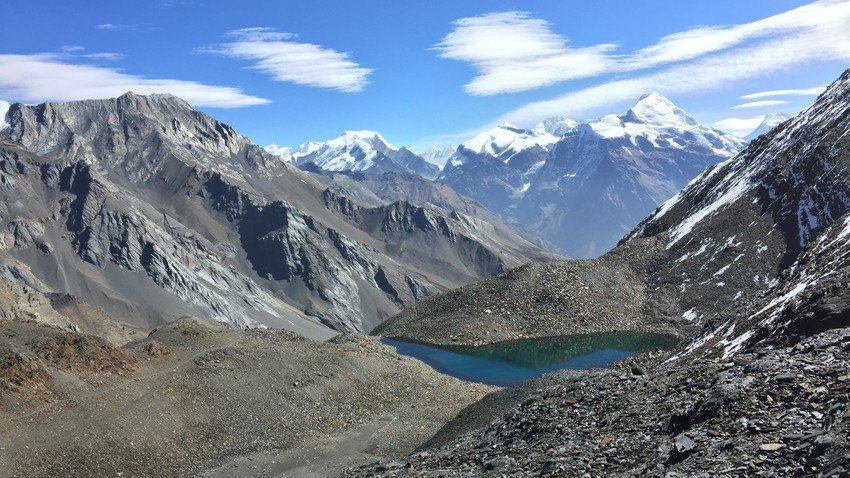
Himalayan Vistas: As with any trek, the views only improve as you gain elevation. While the lower trail up to Chumchet passes through deep valleys with limited visibility, the scenery opens up dramatically once you reach Chhokang Paro (Chekampar). From this higher vantage point, you are rewarded with spectacular views of Baudha Himal, Himal Chuli, Ngadi Chuli, and the entire Ganesh Himal range.

A Spiritual Journey: The Tsum Valley is a living museum of Buddhist culture. You’ll have the opportunity to explore historic monasteries in each village, with the remote Mu Gompa and Rachen Gompa being the most impressive. A highlight for many is the climb above Burji village to see the meditation cave of Saint Milarepa, where his footprint is still visible in the rock.

Post-Trek Relaxation: After completing your Tsum Valley adventure, we will drive you to Pokhara for a two-night stay. It’s the perfect place to unwind, reflect on your journey, and enjoy the peaceful lakeside atmosphere at the end of your holiday.

Plan Your Trip: To see the full route details and our camping setup, please follow the "Day-by-Day Itinerary" provided below.

High altitude sickness and Safety:

High-altitude sickness occurs when your body can’t get enough oxygen because the lower air pressure at higher elevation above 3,000m. when you ascend too quickly during the trek. At High elevation anyone at any time can be suffering from high-altitude sickness which is common, you don’t have to be nervous but please be attention. 

High  acclimatization: Safety is our top priority. Once we ascend above 4,000 meters, proper acclimatization becomes essential to ensure your body adjusts to the thinning air.

To prevent altitude sickness, we follow the gold standard of high-altitude safety: "Climb High, Sleep Low." This means we may hike to a higher elevation during the day to stimulate your body’s adaptation, but we always return to a lower altitude to sleep. This practice significantly reduces the risk of Acute Mountain Sickness (AMS) and ensures a safer, more comfortable journey during the trek.

Altitude Symptoms: If you feel symptoms of high- altitude (Headache, vomiting, loss your appetite, Dizziness and trouble falling asleep) stop to ascending immediately descend as possible. Eat enough garlic soup, take lots of hot drinks and rest. Next day you will feel better, if not your guide will look for another solution. 

Emergency Helicopter Evacuation: Your safety is our absolute priority. In the event of serious illness or injury, our guides are trained to act immediately. They will maintain constant communication with our Kathmandu-based agency to coordinate a rapid response.

We can arrange an emergency helicopter evacuation from any point on the trail back to Kathmandu within a few hours (weather permitting). To ensure a smooth and life-saving rescue, we require all our guests to have travel insurance that specifically covers high-altitude helicopter rescue and medical evacuation.

Our team will handle all the logistics with your insurance provider and the helicopter operators so that you can focus entirely on recovery.

Travel Insurance: Unfortunate illness or injury can happen to anyone, anywhere. In the remote mountain regions where we trek, your safety is paramount. Because ground transport to the nearest clinic can be slow, we rely on rapid aerial response.
   Helicopter Rescue from Kathmandu or Pokhara offers the fastest rescue service but is extremely expensive.
•    Action Required: We strongly advise you to issue a 'comprehensive travel insurance policy' from your home country or in Kathmandu. Your policy must specifically cover emergency helicopter evacuation and medical expenses at high altitudes (up to 4,000m.)

Pro Tip: Please Always carry a digital and printed copy of your insurance certificate and the 24-hour emergency contact number for your provider.


Trekking Season and Weather:

Weather patterns in the mountains and Himalayan regions have become more unpredictable recently due to the effects of global warming. However, here is a general guide to the seasons.

Spring (March – May):  Spring is one of the best times for spectacular, clear views in the Tsum valley regions. The stable weather brings excellent visibility. During this season, the trails come alive as rhododendrons and various other wildflowers blossom in their brightest colours.

Autumn (September – November): Autumn offers some of the most stunning, uninterrupted views of the high Himalayas. With crisp air and perfect trekking temperatures, the days are exceptionally enjoyable for mountain photography and trekking.

Winter (December – February): While the low elevations offer clear skies and clean air with excellent visibility, the higher altitudes at Tsum valley region may heavy snowfall, making the trails difficult to navigate. Temperatures drop significantly during the mornings and nights.


Why need trekking agent in Kathmandu?

While some trekkers explore the Himalayas independently to save on costs, they often overlook a critical question: "If something goes wrong, what is the solution?" Trekking in Nepal is vastly different from hiking in Europe or Western countries. The terrain is rugged, the altitudes are extreme, and conditions can change in an instant. When you trek with us, your small investment does more than just book a trip-it ensures a seamless, high-quality experience defined by a family atmosphere and total peace of mind.

Safety First: In the wilderness, unexpected challenges, from altitude sickness to unpredictable weather can arise at any moment. Without professional support, these situations can quickly become life-threatening. We provide the essential safety net and emergency logistics required to keep you safe.

The Service Difference: The mountain panorama remains the same for everyone, but the quality of your journey is defined by the service you receive. By booking through a government-registered agency like ours, you gain access to:
•    Expert Guidance: Professional guides who are fluent in the local culture, trail secrets, and shifting weather patterns.
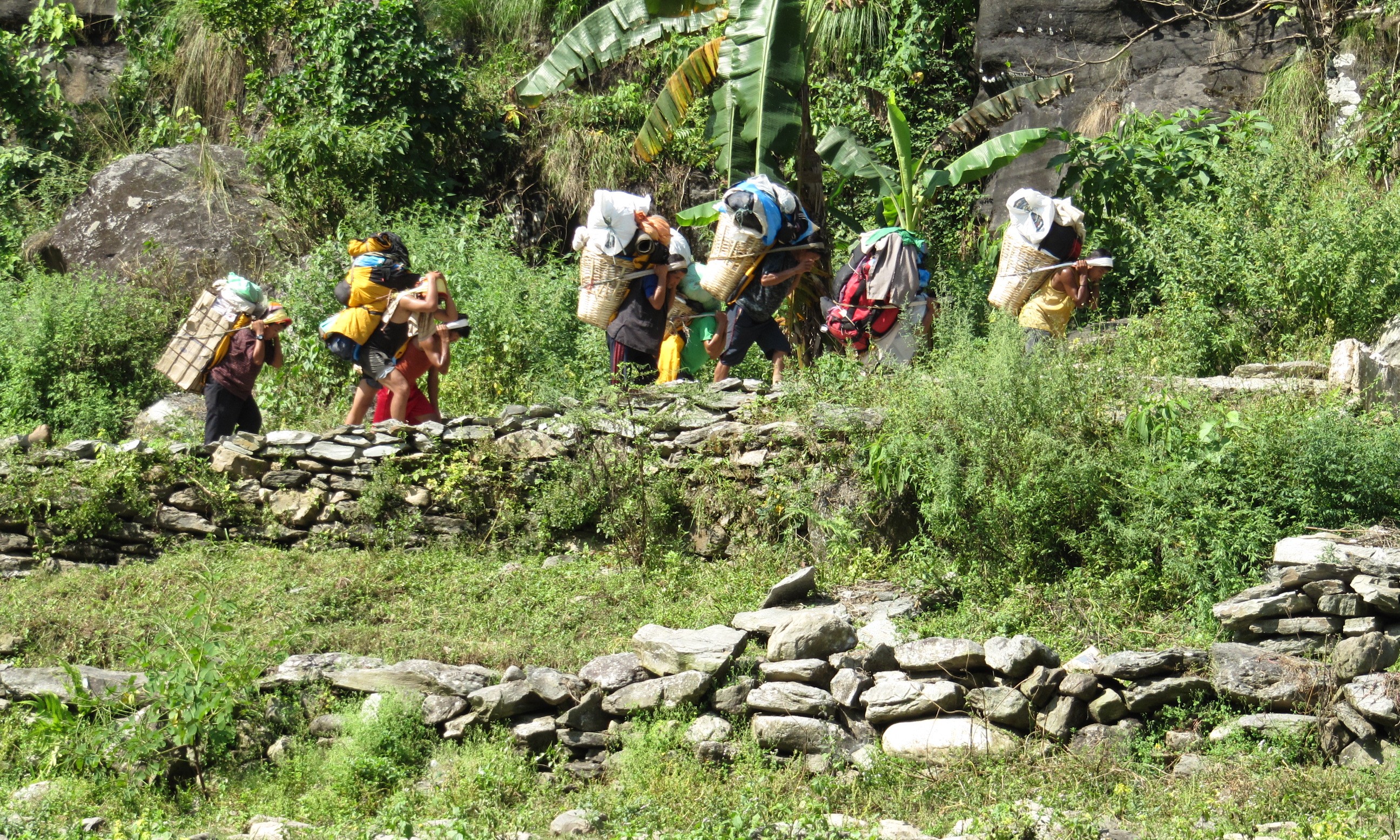
•    Reliable Support: Dedicated porters to handle the heavy lifting, allowing you to walk freely and focus on the scenery.
•    Stress-Free Logistics: We manage every detail, from your date of arrival to departure, so you never have to worry about the "what ifs."

Your journey with us isn’t just a holiday; it’s a commitment to quality, safety, and a happy, stress-free life on the trail.


Practical detail and services:

About Kathmandu: Kathmandu is the capital of Nepal. The valley is the cultural and historical heart of Nepal. Often described as a "living museum," home to three ancient cities, Kathmandu, Patan, and Bhaktapur, which were once separate kingdoms.

Thamel is the main tourist hub. It’s a maze of narrow streets filled with trekking shops, cafes, massage, and different souvenir shops.

Heritage tours: A heritage tour of the Kathmandu Valley is essentially a journey through an "open-air museum." The valley is unique because it hosts seven UNESCO World Heritage Sites within a relatively small radius.

During your tours you will visit Kathmandu, Bhaktapur and Patan Durbar Square, Swayambhunath and Boudhanath Stupa with a professional city guide. When walking around Buddhist stupas or Hindus Temples, always walk in a clockwise direction.
 
Hotel Accommodation: At Kathmandu you will spend two nights before the trek and two nights after the trek total four nights and Pokhara two nights at 3-star hotel.

Twin Sharing: Your room will feature two separate single beds. If you are traveling as a couple and prefer a large bed, it is best to request a "Double Room" in advance, though "Twin" is the default for most tour bookings.

Bed & Breakfast: Your stay covers a buffet breakfast each morning. Lunch and dinner are usually at your own expense.

Dining and Daily Meals: Kathmandu and other major cities are a paradise for food lovers, offering a wide array of restaurants that serve high-quality, diverse cuisine. You can indulge in authentic Nepalese Dal Bhat Tarkari with spicy achar or sample Tibetan staples like Momos (dumplings) and Thukpa (noodle soup).

For international palates: Many establishments feature expertly prepared Indian curries, Chinese stir-fry, and Continental flavours such as pasta, steaks, and wood-fired pizzas. Most restaurants provide extensive vegetarian and vegan options, ensuring that whether you crave spicy local flavours or mild international dishes, there is something to satisfy every appetite.

Trekking crew (Nepali staff): An adventurous trek is only made possible by the dedication of an experienced trekking crew. Our team consisting of a professional guide, cook, Sherpa helpers, kitchen staff, and porters, is committed to making your journey safe and comfortable.

Trekking guides & Sherpa helpers: Our team will handle the logistics, including setting up all tents and managing the campsites.
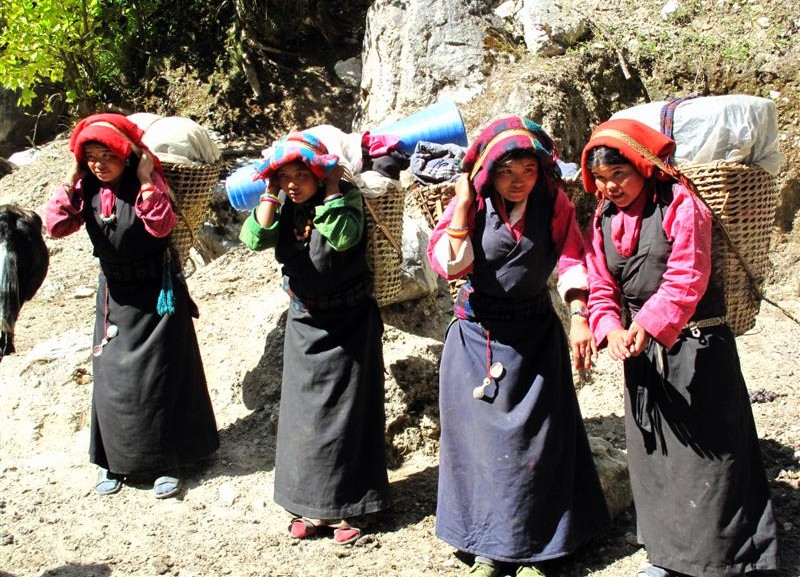
Porters: They will take the weight off your shoulders by carrying all heavy luggage and equipment.

Cook & kitchen staff: You will be served fresh, hot, and delicious meals (breakfast, lunch, and dinner) prepared daily.

Professionalism: Our entire Nepali team is highly experienced and works seamlessly together, even at altitudes above 4,000m, to ensure you have a worry-free experience.

Daily activities and meals: Experience the rhythm of life on the trail with our well-organized daily routine. We take care of every detail so you can focus entirely on the beauty of the Himalayas.

Morning a refreshing Start: Your day begins early as our staff brings a hot drink (coffee or tea) directly to your tent, followed by a bowl of warm washing water to freshen up. While you pack your duffle bag for the day’s journey, our kitchen team prepares a fresh, hot breakfast. You will enjoy your meal at the table, surrounded by a stunning mountain panorama.

During the Day: During the trek, you can stroll at a peaceful pace, capturing scenic photos and visiting local villages, monasteries, or schools with your guide. A freshly prepared lunch with hot drinks will be served between 11:00 and 13:00. After an hour of rest to recharge, we continue the journey.

Afternoon at camp: Upon arriving at the campsite, you will find your tent already set up with your mattress and luggage placed inside. After freshening up with warm water, you can relax in the dining tent with hot drinks, biscuits, and cheese.

Evening dinner: Each evening, our cook prepares a fresh buffet dinner, starting with warm soup followed by at least five different local and international dishes. During dinner, your guide will discuss the day's highlights and brief you on the itinerary for the next morning.

Tented camping equipment: For the tented camping trek, we provide two man sharing double tents or single supplement high altitude tents with double (Foam + waterproof) mattresses, dining tent with folding table and stools, kitchen tent with kitchen utensils, toilet tent, shower tent, staff and porter’s tent. High altitude equipment for the staff and porters. 

Trekking equipment check list: For this high elevation lower Dolpa region, we suggest you take along with you: Trekking boots, light shoes / trainers, woollen socks (x 3) woollen caps, warm hand gloves, warm or fibre pile jacket, down jacket, windproof jacket & trouser, fleece or sweater, shirts (x 2), long and short trekking trousers (and /or long skirt for women), waterproof poncho or umbrella, sun hat, (3x) underwear etc.

Other essential items: Kitbag and padlock, small rucksack, water bottle (1 litre capacity), head torch, personal first aid, sun and snow glasses, sun cream (factor 15+) & lip slave, towel & wash kit, whistle, passport, passport-size photographs, plastic bags, money belt.

Optional: Camera (with high-capacity memory cards and extra batteries), trekking poles / walking sticks, binoculars, notebook, pen etc.

Sleeping Bag Requirements: We strongly recommend a down sleeping bag rated to at least -20°C, along with a silk or fleece inner liner for extra warmth. If you do not have your own, high-quality sleeping bags are available to rent or purchase in Kathmandu to suit your size.

Trekking Permit and other fees: For Tsum valley region, required a trekking permit, you need Manaslu conservation entry oermit a TIMS card (Trekkers' Information Management System). We will handle the arrangement of these for you. Local government Municipality entry fees will be managed and arranged by your trekking guide on the spot.

Transportation: To ensure your arrival and departure are as smooth as possible, we provide private vehicle car, van or bus as group size, transfers for all your airport needs. 

We provide a private 4WD jeep for all transfers at the beginning and end of the trek, specifically tailored to your group size for maximum comfort.

Note: For specific travel times and distances, please refer to the ''Day-by-Day Itinerary'' at the end of this page.

✅ Final Note Trekking for Everyone! 

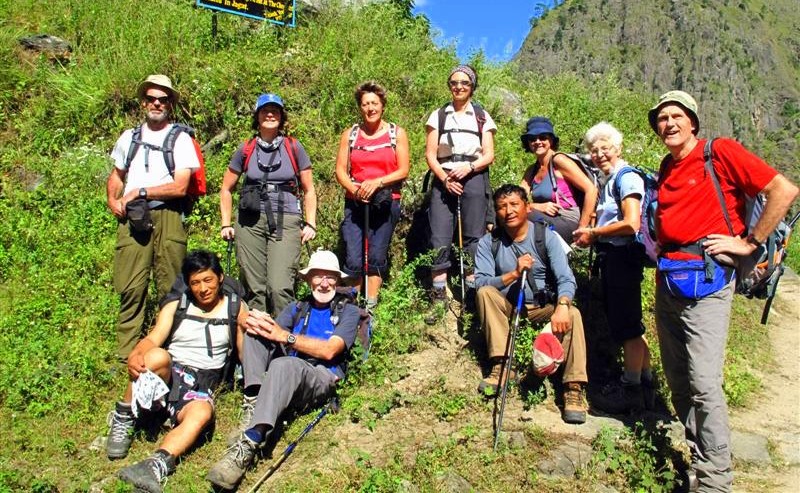
This trek is designed for anyone who is physically fit, healthy, and passionate about exploring the high Himalayas. We warmly welcome adventurers between the ages of 16 and 70 to join us with confidence. Whether you are traveling with a group of friends, as a family, a senior traveller, a photographer, or a solo explorer with a guide, this journey is for you.

Immersing yourself in this pristine, organic Himalayan environment is a life-changing experience. It is proven to leave you feeling energized, happy, and stress-free-filling your life with sweet, unforgettable memories.

Preparation and Support: You are never alone in your journey. We provide comprehensive information and a full briefing in Kathmandu before you set off. Once on the trail, your guide will provide clear, day-by-day explanations of the plan to ensure you are always informed, comfortable, and safe.

Get in Touch: For more information regarding trekking seasons, exact durations, and a competitive, reasonable cost tailored to your group size, please contact us directly. We pride ourselves on providing a service that is faster, more personal, and more reliable than the rest.

Contact us via:

Email: hellokirken@gmail.com

WhatsApp / Messenger: Kirken Sherpa +43 664 55155 46

Direct Call: +43 664 55155 46


 "Thank you for choosing ''Tsun valley'' trek and for being a part of our team. We look forward to trekking with you!"
Trekking season March to May, September to November.
Kinds of trek Tented camping trek.
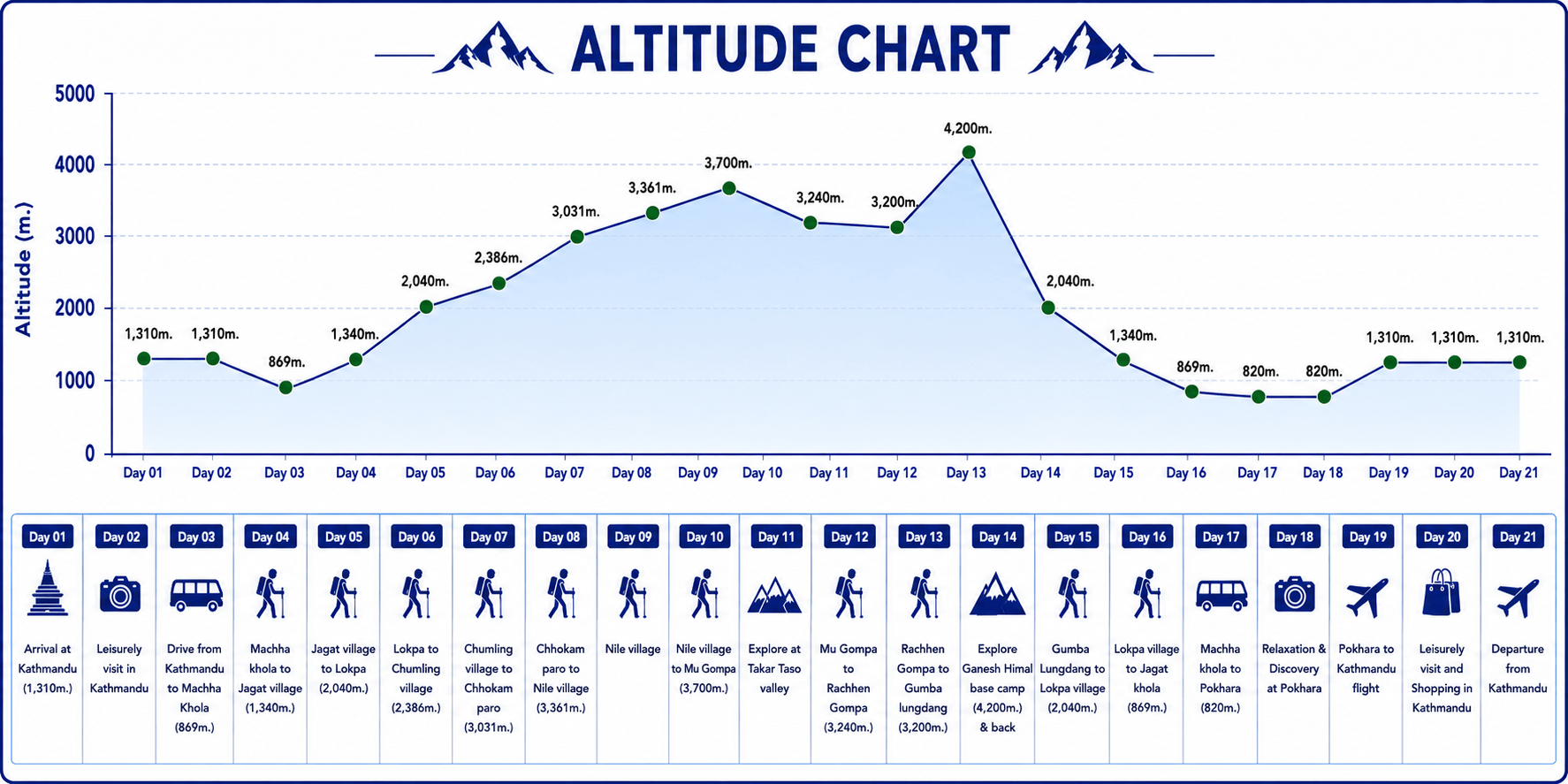
Max. elevation Ganesh Himal base camp 4,200m.
Group size 02 to 12 persons.
Total cost per person Euro 2,155.00

Single supplement per person Euro 400.00 cost extra.
The above-mentioned cost includes all the government taxes.
Group rates is available, can be negotiate.

What’s Included

  4 nights  Kathmandu at 3-Star hotel with bed & breakfast on twin sharing basis. 

  2 nights  Pokhara at 3-star hotel with bed & breakfast on twin sharing basis.    

 14 nights camping trek all the meals (breakfast- lunch - dinner) with hot drinks.

 Pokhara / Kathmandu flight.


 Kathmandu airport / hotel / airport transfers by private vehicles.                               

 Kathmandu / Machha khola privet vehicle jeep or bus as group size.

 Machha khola /Pokhara privet vehicle jeep ormbus as group size.

Machha khola / Kathmandu bus for trekking crew.

 Trekking permits for Tsum valley region.

 Manaslu conservation fees.

 TIMS and local government fees.

 1 experienced English-speaking trekking guide.

 1 experienced trekking cook.

 Sherpa assistance as group size.

 Kitchen boys as group size.

 Human Porters / mules / horse or Yak porters as group size.

 Two persons sharing double tents with mattresses, Dining tent with folding table and stools, Kitchen tent with kitchen utensils, Shower tent,Toilet tent and tent for trekking staff.


 wind / rain proof warm jacket + trouser set, cotton pullover, snow boots with two pair socks, hand gloves, woollen cap and snow glass.


 Medical, life and rescue insurance for trekking guide, cook, Sherpa helper, kitchen boys and porters.

Continue cost included

What’s Not Included

❌ Main meals (lunch + dinner) and drinks in Kathmandu.

❌ Personal expenses alcoholic beverages, drinks, laundry services and hot shower.

❌ Medical and travel insurance for the trekkers. 

❌ Emergency helicopter rescue charges for the trekkers if necessary.

❌ International airfare (flight ticket) and taxes.

❌ Any kinds of visa for Nepal.                                                                                         

❌ Tips for trekking staffs. 

Daily Itinerary

Warm Welcome: Upon your arrival at the Tribhuvan international airport, Our representative will meet you at the airport terminal with a personalized sign, handling your luggage, welcome you with colourful flowers, drive to star hotel as your booking. Upon arrival at your hotel, you will be served a refreshing welcome drink at reception while our team assists with your check-in.

First Evening & Briefing: In the evening, you can enjoy dinner at your hotel or a local restaurant. During this time, our Tour Manager will conduct a comprehensive briefing, covering your trekking itinerary, safety protocols, and any other essential information for your upcoming adventure.

  3-star hotel as your booking at Kathmandu.

Kathmandu is a vibrant hub of culture and heritage, home to some of the world's most significant Buddhist stupas and Hindu temples. Following breakfast, you are free to spend the day exploring the historic sites across Kathmandu, Bhaktapur, and Patan.

Getting Around: For longer distances-such as visits to Boudhanath, Pashupatinath, or Swayambhunath, as well as excursions to the neighbouring cities of Bhaktapur and Patan, hiring a taxi is the most convenient option.

Rickshaws & Walking: Within the Kathmandu city centre including Durbar Square, New Road, and the Thamel tourist market, you can enjoy a traditional rickshaw ride (a three-wheeled bicycle) or simply explore the bustling streets on foot.

Important Notes: Please be aware that all UNESCO World Heritage sites in Kathmandu, Bhaktapur, and Patan require an entry fee for visitors.

Shopping & Souvenirs: Thamel, the city's primary tourist hub, is filled with shops selling high-quality trekking equipment and unique souvenirs. Keep in mind that the Nepalese market culture is quite different from Western standards don't forget to friendly haggle for a discount!

Dining: For lunch and dinner, you will find an array of excellent restaurants offering diverse international and local menus to suit every palate.

Need a hand?  If you require a professional city guide or any further information to help plan your day, please do not hesitate to contact us.

  3-star hotel with bed and breakfast.

After early morning breakfast at hotel, you’ll be picked up by our trekking guide and crew at the hotel. Drive to Arughat through Prithvi Highway will offer you  Along the way you can watch beautiful mountain scenery, local villages and Trisuli and Buda gandaki river valleys. Between Arughat to Machha khola road condition not so good, which takes about three hours drive.  

 Breakfast + lunch + dinner with hot drinks.  Ldging at Machha khola.

After breakfast at camp, your journey today to Jagat and today trail comprises some ups and downs which often drop onto the gravel bars alongside the stream. You’ll cross the Tharo Khola which flows in a rocky cavetto reaching at Khorla Besi. You can see peaks like Manaslu and Kutang Himal can be seen on the way. Khorla Besi is a small beautiful Gurung village and is a part of many trekking routes such as the Manaslu Circuit journey and the Tsum Valley trek. After another steep climb, you will reach Tatopani (natural hot Spring). Then you climb over a wrinkle, crossing the Budhi Gandaki River over a suspension bridge followed by a wide, well-made staircase over a ridge to Dobhan. It is situated high above the river bed and the view is impressive. Now it's only back down to the river and on towards Jurukhola . Here you turn right and it's all about the stunning suspension bridge above raging water the last few kilometers on the other side of the river to Jagat.

 Breakfast + lunch + dinner with hot drinks.  Lodging at Jagat village.Approx. 5 to 6 hours.

After breakfast at camp, today you’ll head towards Lokpa. Before heading to Lokpa, you will register your permits of Manaslu and Tsum valley at the entry checkpoint. Climbing a ridge over Salleri, you will walk along the river bank crossing the Budhi Gandaki River via a long wide suspension bridge. Continuing to trek, the valley opens up as we head towards Phillim. The trek through out is a very pleasant one. You will pass by Ekle Bhatti where the trail separates between Tsum and Manaslu. As you trek, you will notice the welcome board, so we head towards Lokpa. On the way, you will see a few villages and rivers. The rivers begin to narrow down as you meet the convergence of the Syar River from the Tsum valley. Taking a right turn, the trail takes you forward, eventually reaching the Lokpa village. This village is the first village in the Tsum valley that gives you the opportunity to view the beautiful Manaslu range. This village is isolated and is a hidden valley of happiness blessed by Padmashamva centuries ago.

Breakfast + lunch + dinner with hot drinks.  Tented camp. Approx. 5 to 6 hours.

After breakfast at camp, you will start your trek by beginning with a trek from Lokpa village which is an entrance to a wild route to Tsum Valley. Although the actual entrance begins from a deep slender and a narrow gorge. Depending on the weather, if favorable, on the way you will be blessed by the amazing view of the Boudha Himal (6672m) and Ganesh Himal. The route takes you descending down to the Lungwa river valley as we climb through the dense tropical forests of rhododendron, juniper and pine. The route takes you to Gumling where you only capture the serene nature. Shortly, you’ll cross the Syar Khola again, arriving at the village of Chumling. As the day slowly comes to an end, you will have spare time to visit the monasteries of Chumling; the Panago Gompa, Mani Dhungyur and Gurwa Gompa. 

 Breakfast + lunch + dinner with hot drinks.  Tented camp.  Approx. 5 to 6 hours.

After breakfast at camp, today you’ll trek Chhokang Paro. The upper Tsum starts from Chhokang Paro. It is a village that is situated on a flat land and is made up of two settlements which are Chhokang and Paro. As you cross the suspension bridge onto the opposite bank, you will see great views of Ganesh Himal from the south, you can see spectacular views of Boudha Himal and Himalchuli peaks to the south west. You’ll continue trekking pass Rainjam to Serpu Khola crossing another bridge, arriving at the Gho village. After another two hours climb, you’ll finally make it to the village of Chhokanparo. If weather is favorable, you will enjoy the views of Himalchuli and Ganesh Himal too.

Breakfast + lunch + dinner with hot drinks.  Tented camp.   Approx. 5 to 6 hours.

After breakfast at camp, you’ll trek to Nile Village today. Nile Village is situated on the western side and is the last village heading north in the upper Tsum Valley. It is on the sun side of the Shiar Khola and about twenty minutes’ walk from across Chhule. As you trek, you will pass the Piren Phu cave which is also known as the pigeon cave. This cave is one of the most sacred caves in the Tsum Valley. It is located at the foot of a rugged cliff near the village of Burji. The famous Tibetan saint called Milarepa was believed to have meditated in that cave as his footprint is imprinted on the cave. The route further is a very pleasant trek, as you will be walking pass green meadows and the landscape become fertile and narrow. There are two separate monasteries that are attached to the rocky cave. It is abundantly painted with Buddhist murals, excellent artistic scripts carved on the stones and long prayer flags and Buddhist paper scripts are in it that makes it one of the most important socio cultural assets in the valley. Crossing the suspension bridge over the Shiar Khola, you will soon arrive at Nile.

 Breakfast + lunch + dinner with hot drinks.  Tented camp.Approx. 5 to 6 hours.

After breakfast, you’ll trek to Mu Gompa today which will be comparatively shorter than previous days walking. The trail to Mu Gompa follows gradually ascend. It is the largest monastery in the region. Mu Gompa is located at the highest and the farthest point in the Tsum Valley. It was established in the 1895 AD and includes many religious books including Kangyur, a life size statue of Avalokiteshwara and images of Guru Padmasambavya and Tara. The route takes you through yak pastures through typical dry and arid Trans Himalayan Terrain. The monastery has rows of Chhortens and beautiful mountain views and houses. The historical Dephyudonma monastery connected with the dawn of Buddhism run by Lama, on the lap of the rugged mountains, is one of the oldest monasteries in the Tsum valley.

 Breakfast + lunch + dinner with hot drinks.  Tented camp. Approx. 5 to 6 hours.

Border between Nepal and Tibet.

  Breakfast + lunch + dinner with hot drinks.  Tented camp. Approx. 5 to 6 hours.

After breakfast at camp, you will head from Mu Gompa to Rachen Gompa; a nunnery school of this region. It is situated in the Siyar Khola valley in the foothills of the mountains that border between Nepal and Tibet. You’ll return down valley through Chhule, and continue down as far as Phurbe. Walking on the east bank of the Siyar Khola and crossing flat boulder-covered plains following the power lines to Rachen Gompa. Rachen Gompa was established on the year 1905 AD and is one of the largest nunneries in the Tsum valley. The interior of the Gompa is richly painted with murals about Buddhism and its history.

 Breakfast + lunch + dinner with hot drinks.  Tented camp. Approx. 5 to 6 hours.

After breakfast at camp, you’ll trek towards south today as you’ll cross a bridge to the west bank passing through the Chhokang Paro again. You’ll descend down the old trail towards Chumling and approximately two hours later you will witness a small white Gompa (monatery) on the left at Gho (2458m). You’ll descend down a narrow trail that passes through a Gompa then onto a wooden bridge over the Siyar Khola. Soon, you will be crossing the bridge to Domji which has a Tibetan herbal medicine clinic and a school. Further with a steep climb through pine, juniper and rhododendron forest, the track starts to traverse at a Mani walls with many prayer flags hung. This sight of the Tibetan culture is absolutely beautiful. Finally, in the forest, there is a prayer flag that marks the uphill trail and makes a zigzag climb though a big silver pine to reach the Gompa in Lungdang. Rhododendrons will be seen blooming everywhere. If this trek is done during the spring season, the view will be breath- taking seeing the nature capture our eyes and mind. This small Gompa has forty nuns and an intense Pooja (pray) from 6:00-7:30pm every night unless the nuns are on holidays which could be for some months in a year. From the gompa, beautiful and astonishing views of the mountains can be seen.

 Breakfast + lunch + dinner with hot drinks.  Tented camp. Approx. 5 to 6 hours.

After early morning breakfast at camp, you’ll trek to base camp of Ganesh Himal. Today’s trek will also an exciting as you will be trekking to the Ganesh Himal Base camp. On the route, the forest wilderness and the views make it an enjoyable and an adventurous trek even though the altitude rise may cause difficulty in breathing and hiking. The route crosses through two small valleys dropping on the muddy meanders on a shortcut to regain the lower track and continue up the valley via a thick and dense forest. You will cross a small pasture, taking a right turn, we descend the track and down to the river. The suspension bridge takes you to a bank. The trail becomes slightly challenging but you will manage to cross the forest with many winds thrown trees crossing the Laudang Khola on the west bank on top of an unbalanced wooden bridge. Yet again, you’ll climb through steep rhododendron and pine forests on a ridge and stone huts besides a large stone in Kharka. Shortly, you will reach a landscape with greenery. As you continue climbing up, in a couple of hours you’ll reach the Ganesh Himal Base Camp. After appreciating and admiring the effort to reach up here, you will then return back to Gumba Lugdang as it is a short trek.

 Breakfast + lunch + dinner with hot drinks.  Tented camp. Approx. 5 to 6 hours.

After breakfast at camp, you will return back to Lokpa. You will descend down to Domji by trekking in the upper trail crossing the Lungdang Khola. Crossing an unstable swing bridge between the lowest two houses in Domji, you will stay on the south bank of the Siyar Khola. As you walk by, you will come cross a new trail via a beautiful dense forest that will take you yet to another deep gorge and swinging bridges to Ripche (2470m). You walk down the stairs to the Bhatti Ghumlong which you had walked through several days ago. As you climb up again through a pine forest, you will reach Lokpa.

 Breakfast + lunch + dinner with hot drinks.  Tented camp.Approx. 5 to 6 hours.

After breakfast at lodge, you’ll descend down to Jagat today; you will be rejoining the Budhi Gandaki River. As you trek, you will get a few glimpses of the mountains. Walking through forests and terrains, gives you an easy pleasant trek. Taking breaks in between, you will reach Sirdibas. After crossing a few suspension bridges, you will finally reach Jagat.

 Breakfast + lunch + dinner with hot drinks.  Lodging at Jagat village.   Approx. 5 to 6 hours.

After breakfast at camp, you will descend to Lapu Bensi. The trek today will be at ease and pleasant as you will walk through terrains and cross several bridges. Trekking down to Machha Khola you will yet again cross a suspension bridge over the Nauli Khola. As you trek on the sandy river bed of the Budhi Gandaki, you will finally reach the Lapu Bensi; a small beautiful Gurung village.

 Breakfast + lunch + dinner with hot drinks.  Lodging at Machha khola. Approx. 5 to 6 hours.

Drive from Machha khola to Pokhara.

Meals: Breakfast + lunch + dinner with hot drinks. Stay at: Hotel or lodge.  Walking hours approx. 5 to 6 hours.

Free Day in Pokhara (Relaxation & Discovery): Today is a flexible day for you to enjoy the charm of Pokhara at your own pace. After the mountains trek from Ghorapani Poon-Hill, you can choose how to spend your time:

Option 1: Pure Relaxation - Late Breakfast: Sleep in and enjoy a slow breakfast at a lakeside café.

Spa & Massage: Treat your tired muscles to a traditional Ayurvedic massage or a deep-tissue trekking recovery session at one of the many high-quality spas.

Lakeside Stroll: Wander through the colorful shops, bookstores, and handicraft boutiques along the shore of Phewa Lake.

Option 2: Light Exploration-Boating on Phewa Lake: Rent a colorful wooden boat (Doonga) and row out to the Tal Barahi Temple, located on a peaceful island in the center of the lake.

World Peace Pagoda: Take a short boat ride across the lake followed by a gentle 45-minute hike up to the massive white stupa for a panoramic view of the city and the mountains you just climbed.

International Mountain Museum: Visit this fascinating museum to learn more about the history of Himalayan climbing and the local mountain cultures.

Option 3: The Annapurna Cable Car Experience: Take a smooth, 7-minute ride on the modern Annapurna Cable Car. This scenic journey glides above the lush hills, whisking you quickly from the lakeside area up to the Sarangkot Viewpoint.

Panoramic Views: From the observation tower at the top, you will be treated to a spectacular, 360-degree view of the Annapurna and Dhaulagiri ranges, as well as Mount Manaslu and several other towering Himalayan peaks from a unique perspective.

Dining with a View: You can choose to enjoy breakfast, lunch, or dinner at the hilltop restaurant, surrounded by one of the most beautiful mountain panoramas in the world.

Evening: Enjoy a final farewell dinner at a lakeside restaurant with live music, reflecting on your incredible journey to the Ghorapani Poon-Hill..

 3-star hotal with bed and breakfast at Pokhara. 

Afternoon flight to Kathmandu.

 Breakfast  with hot or cold drinks.  3-star hotel at Kathmandu. 

Today is a flexible day for you to enjoy the charm of Kathmandu at your own pace. After the physical challenge of Tsum valley trek, today is dedicated to your well-being.Today is a flexible day for you to enjoy the charm of Kathmandu at your own pace. After the completion of your trek, all about relaxing and soaking up the local atmosphere. After breakfast, the city is yours to explore.

Getting Around: For longer distances-such as visits to Boudhanath, Pashupatinath, or Swayambhunath, as well as excursions to the neighbouring cities of Bhaktapur and Patan, hiring a taxi is the most convenient option.

Rickshaws & Walking: Within the Kathmandu city centre including Durbar Square, New Road, and the Thamel tourist market, you can enjoy a traditional rickshaw ride (a three-wheeled bicycle) or simply explore the bustling streets on foot.

Important Notes: Please be aware that all UNESCO World Heritage sites in Kathmandu, Bhaktapur, and Patan require an entry fee for visitors.

Shopping & Souvenirs: Thamel, the city's primary tourist hub, is filled with shops selling high-quality trekking equipment and unique souvenirs. Keep in mind that the Nepalese market culture is quite different from Western standards don't forget to friendly haggle for a discount!

Dining: For lunch and dinner, you will find an array of excellent restaurants offering diverse international and local menus to suit every palate.

Need a hand?  If you require a professional city guide or any further information to help plan your day, please do not hesitate to contact us.
Farewell Dinner: Evening our representative will take you for a farewell Nepali typical dinner with a culture program. After dinner back to hotel.
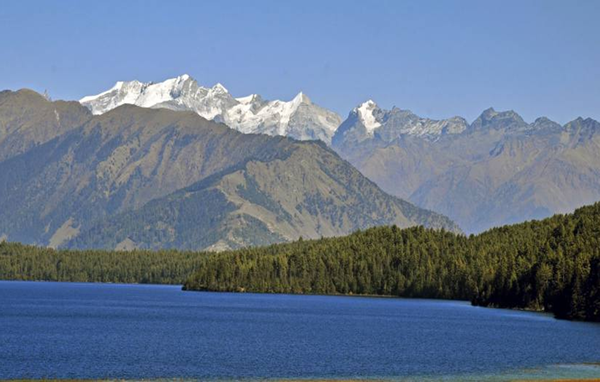
Cultural Program: Experience the beauty of Nepal’s diversity through a live performance featuring traditional music and ethnic dances from different regions of the country.
 3-star hotel with bed and breakast at Kathmandu.

Stress-Free Departure: At the end of your journey, we will coordinate your hotel pickup to ensure you arrive at the airport with plenty of time for your flight.     Complete the trip.

Breakfast with hot or cold drinks. 

Continue for detail itinerary
Designed & developed by: Ashok shah